
Last updated November 16, 2026
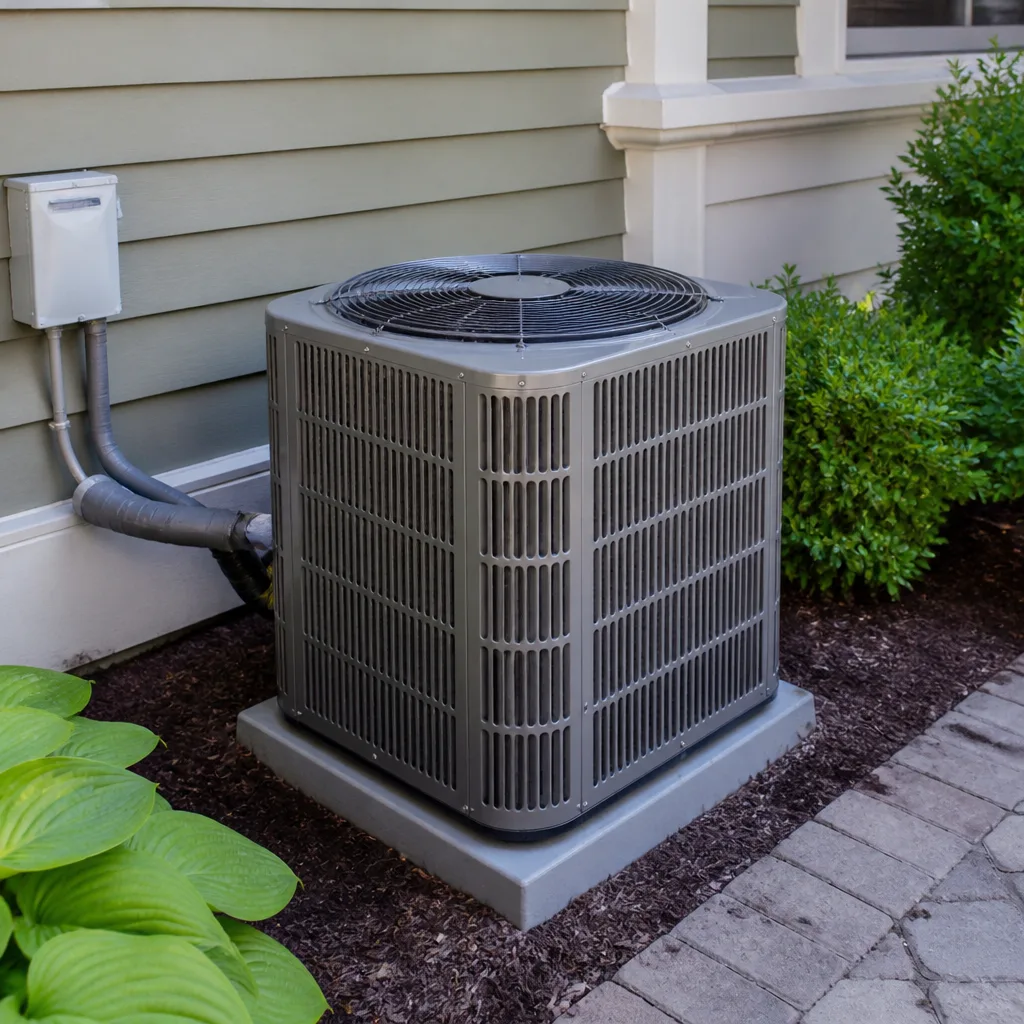 AC repair
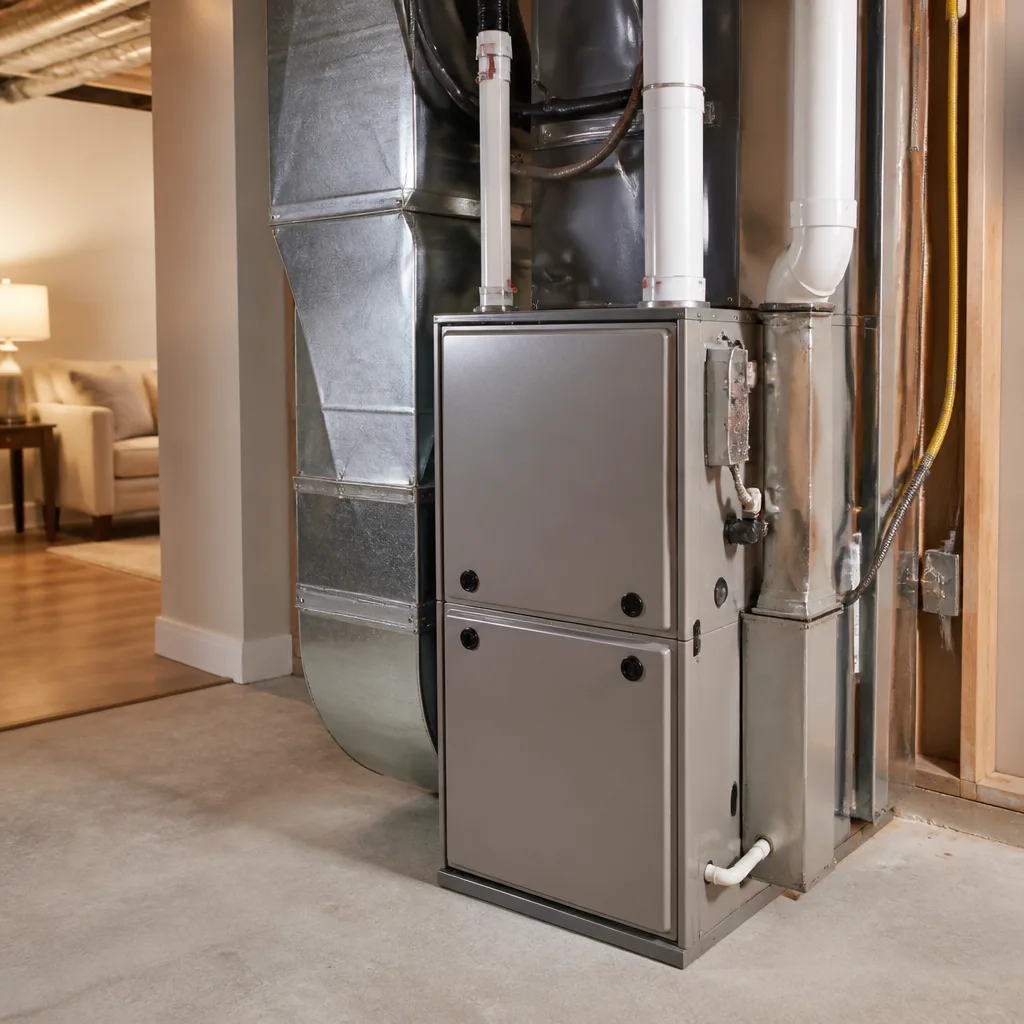 Furnace & heating
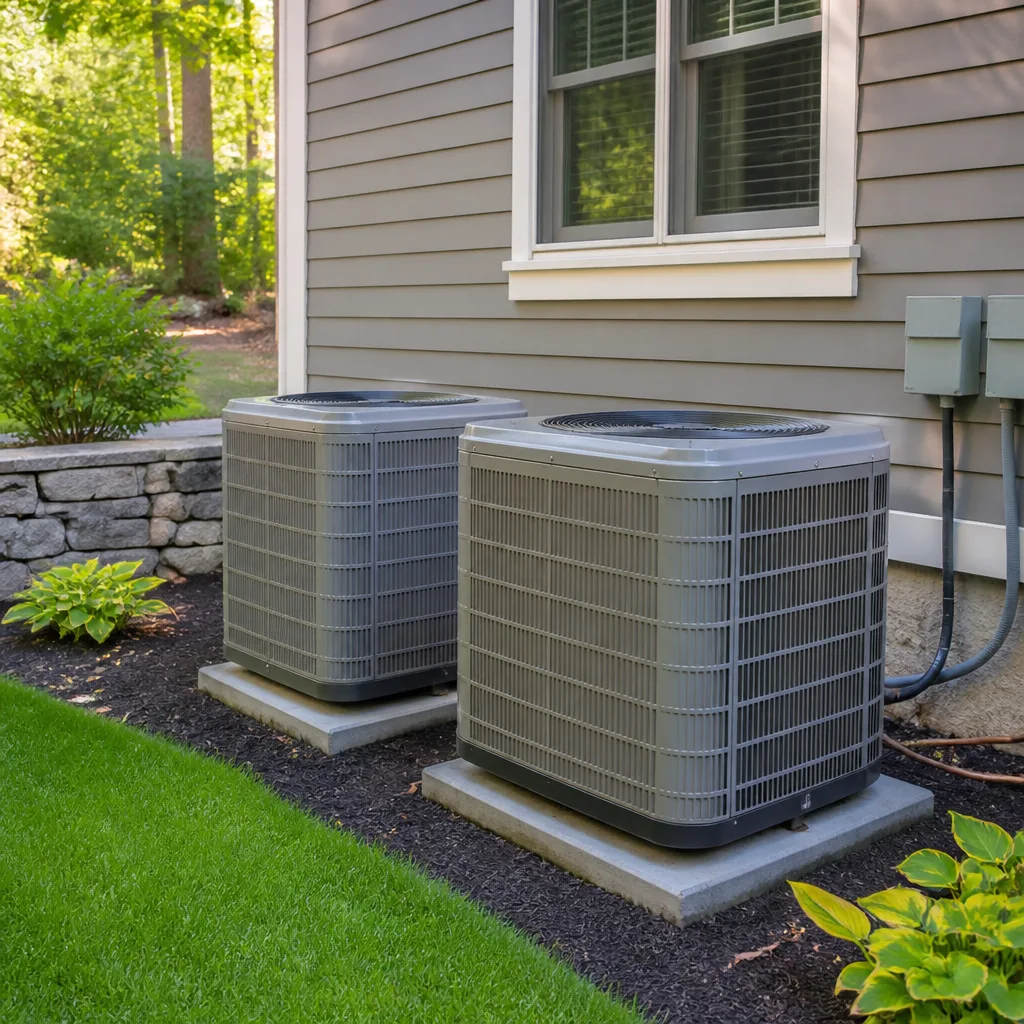 Heat pumps
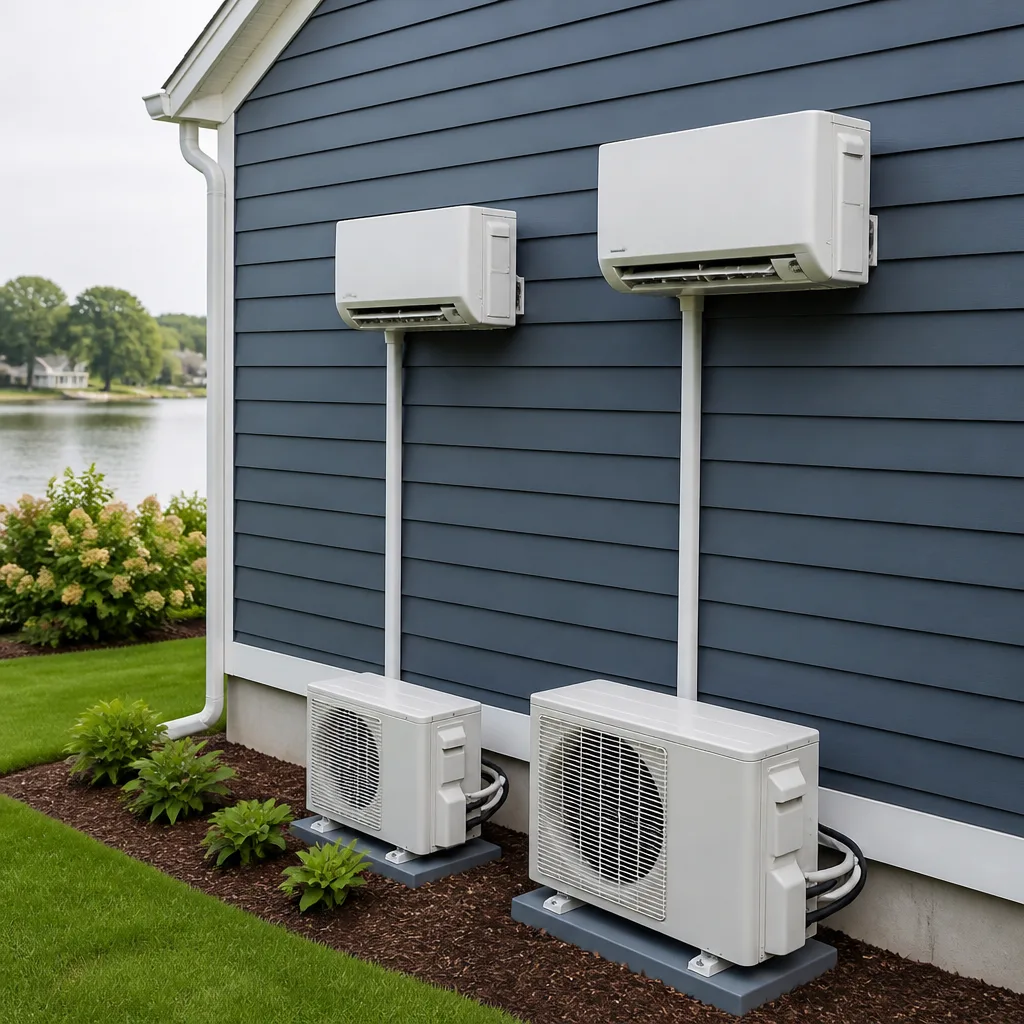 Ductless mini splits
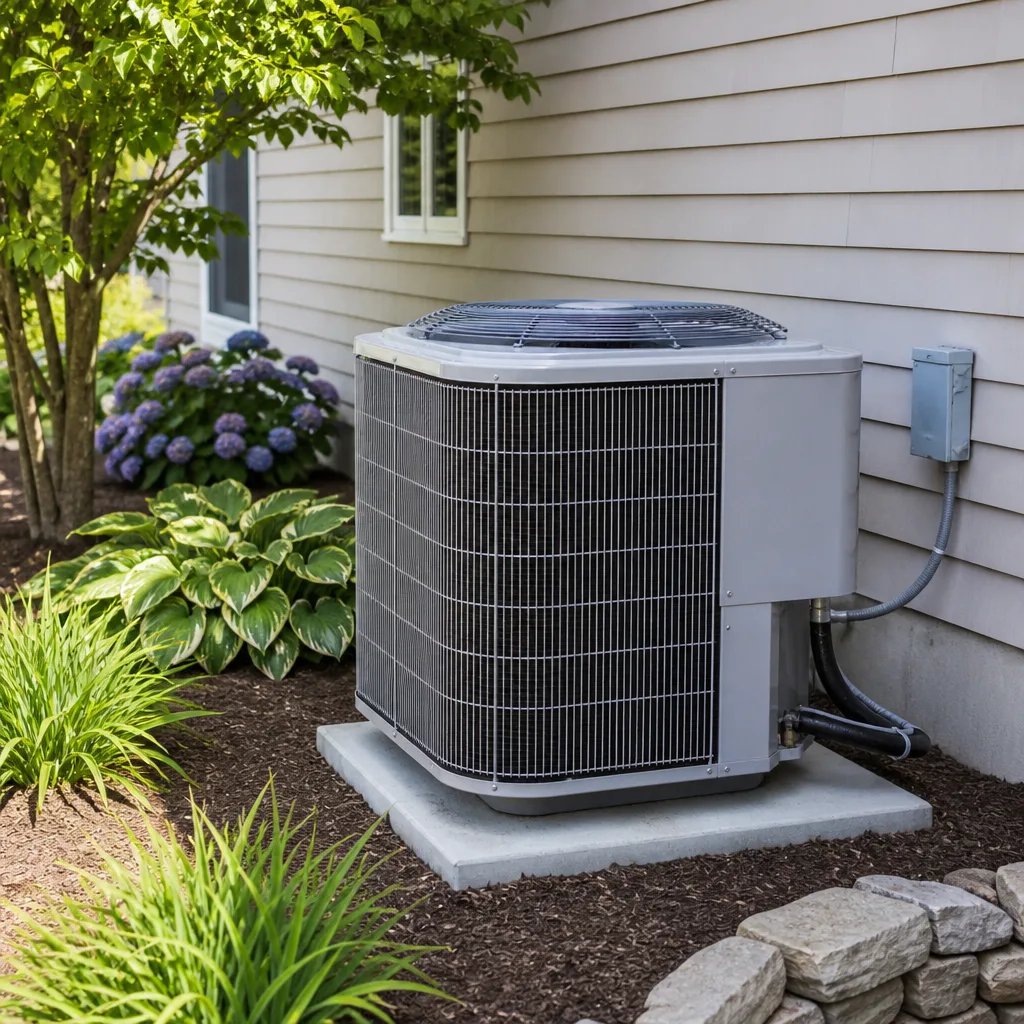 Carrier
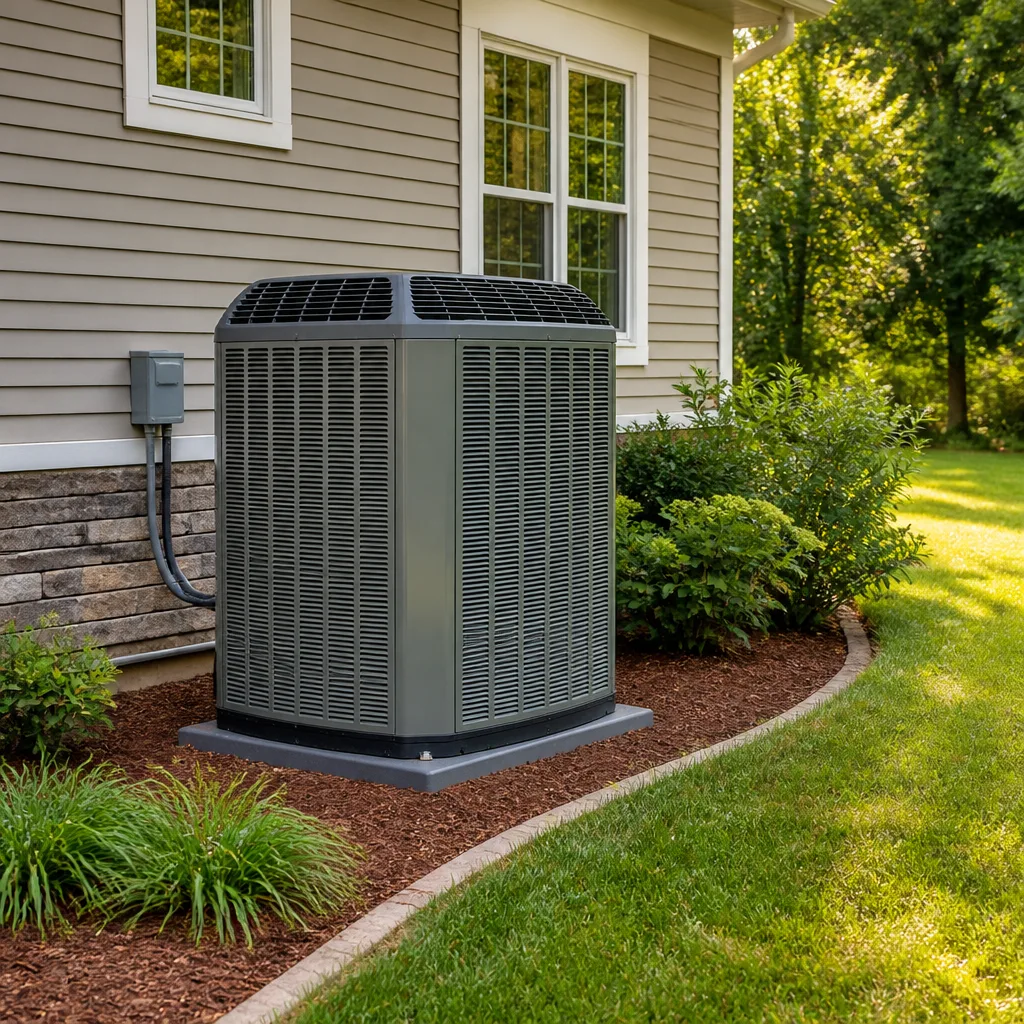 Trane
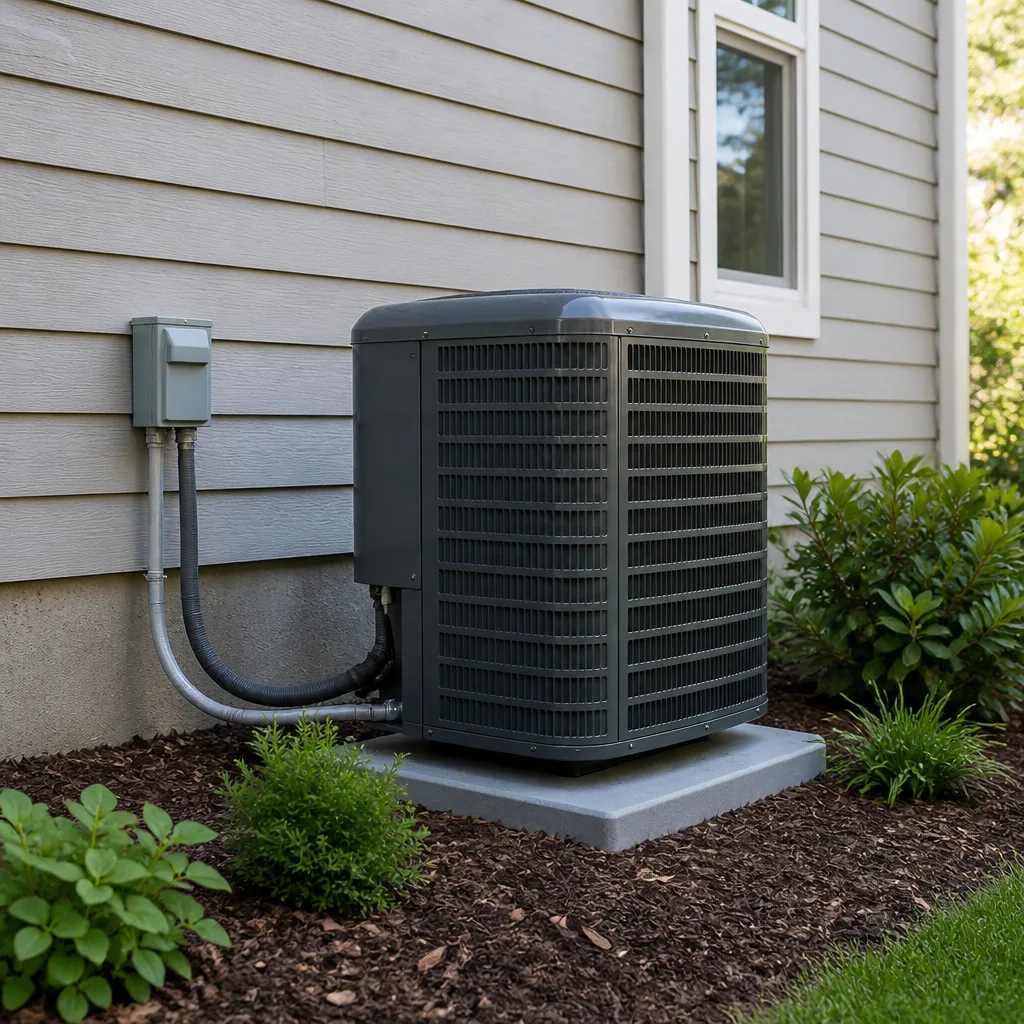 Goodman
Seasonal tune-up and full diagnostic on your Carrier, Trane, or Goodman system - readings shown to you before any repair is proposed
Diagnosis first, numbers second - you approve the repair price before a single part goes in.
Get your free estimateDIY vs Professional HVAC: The San Mateo Homeowner’s Decision Guide
Most homeowners asking this question are really asking something else: is it worth it to pay someone for this? Fair question. And the usual answer you find online is a skills debate – are you handy enough, do you have the tools, do you want the hassle. That framing misses the point in California. The real dividing line in HVAC isn’t competence, it’s the law. Refrigerant handling, electrical connections, and permitted work draw hard lines no matter how capable you are, while a surprising amount of genuinely useful maintenance stays fully in your hands. This guide maps exactly where those lines sit for a San Mateo homeowner, so you can stop guessing and be confident about what you can legitimately do yourself.
Quick Answer
In California, you can legally and safely handle filters, thermostat upgrades, condensate line clearing, register adjustments, and duct sealing with mastic. Anything involving refrigerant, the electrical panel or circuit feeding your HVAC equipment, or a permitted equipment change is work for a licensed contractor. The DIY boundary in HVAC is not about difficulty – it’s about refrigerant certification, electrical code, and permit requirements, and crossing those lines can void warranties and cost far more than the repair.
Styles & brands we work with
- AC repair
- Furnace & heating
- Heat pumps
- Ductless mini splits
- Carrier
- Trane
- Goodman
Table of Contents
- Where California Draws the Legal Line on HVAC Work
- The DIY Jobs That Are Genuinely Worth Doing Yourself
- Why Refrigerant Work Is Off-Limits (And Why It Matters)
- The One Duct Repair You Can Legally Do Yourself
- The Hidden Cost of an HVAC DIY Mistake
- How to Be a Knowledgeable Participant in a Professional Repair
- How to Choose an HVAC Contractor in San Mateo
Where California Draws the Legal Line on HVAC Work
California separates HVAC work into two buckets: what a homeowner may do on their own property, and what must be done by a licensed contractor. The dividing line runs through three things – refrigerant, electrical, and permits – and understanding each one tells you immediately whether a task is yours to take on.
Refrigerant is the simplest line. You cannot legally purchase regulated refrigerants or service the sealed refrigerant circuit without EPA Section 608 certification. That single fact removes most of the AC repair tutorials you’ll find online from the “DIY” category entirely. They’re describing work a homeowner can’t legally complete.
Electrical work is the second line. Any work inside your electrical panel, or new circuit wiring to HVAC equipment, falls under licensed electrical work in California. Homeowners may replace a component that plugs in or uses low-voltage thermostat wiring, but hardwiring a new disconnect or adding a circuit is not a homeowner task.
Permits are the third. Installing or replacing an air conditioner, furnace, or heat pump typically requires a permit from the local building department. That permit comes with inspection, and it’s almost always pulled by the licensed contractor doing the install. Skipping the permit can complicate insurance claims, resale, and future service on the equipment.
For a homeowner in San Mateo, these three lines matter because the local housing stock leans older. A mid-century ranch in San Mateo’s Baywood or Aragon neighborhood may have a panel that was upgraded decades ago, wiring that’s been added to over the years, and HVAC equipment that has aged through several replacement cycles. Each of those is a reason not to treat “just this one repair” as if it stands alone. Once you touch the electrical or refrigerant side, you’re operating outside the homeowner exemption, and no amount of competence changes that.
The practical rule: if the task touches refrigerant, the panel, or requires a permit, it’s a professional job. Everything else is negotiable.
The DIY Jobs That Are Genuinely Worth Doing Yourself
We’re not going to tell you every HVAC task needs a technician. Some don’t, and handling the simple ones keeps your system running and saves real money over a season. These are the tasks a San Mateo homeowner can do confidently, with no special tools, no certification, and no risk of voiding a warranty.
- Filter replacement. Check the filter every month during heavy use and swap it when it’s visibly gray or clogged. Use the size and MERV rating your system specifies. This is the single most valuable five-minute task in HVAC.
- Thermostat upgrades. Replacing a thermostat that runs on low-voltage wiring is a homeowner task. Turn off the breaker first, photograph the wiring before you disconnect anything, and follow the manufacturer’s wiring diagram. If your system uses line-voltage or proprietary communicating controls, stop and call.
- Condensate line clearing. The drain line from your indoor coil can clog with algae and dust, and when it backs up it can trip the float switch and shut your AC down. Flushing the line with a mixture of water and a little white vinegar and checking the pan for standing water is safe and useful.
- Register and return adjustment. Balancing airflow by opening or partially closing registers, and making sure returns aren’t blocked by furniture or rugs, is free and can meaningfully change comfort in a room that runs hot or cold.
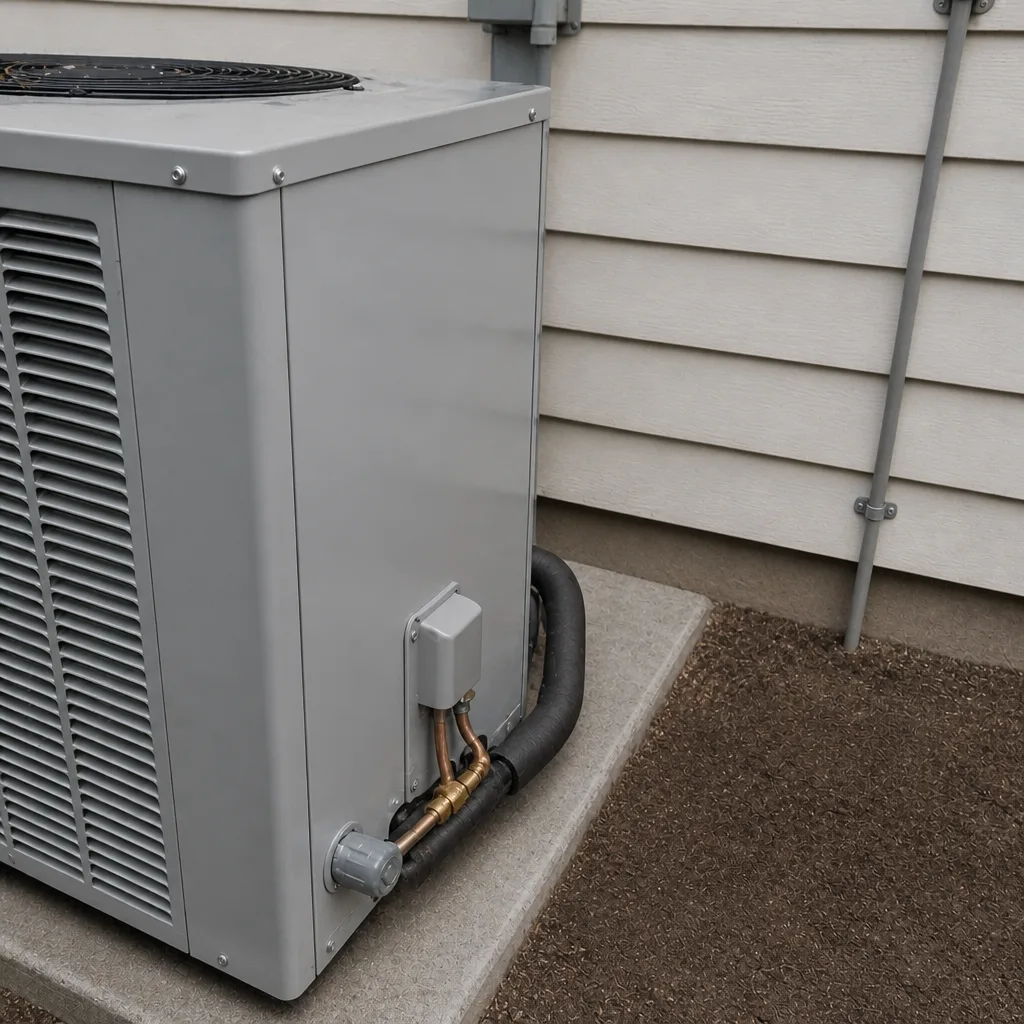
- Outdoor unit clearance. Keep leaves, debris, and plant growth clear of the outdoor condenser. A few feet of clearance on all sides helps the unit reject heat and run more efficiently.
- Coil cleaning on the outdoor unit. Rinsing the outdoor coil with a garden hose (power off at the disconnect) is safe and useful. Skip anything that involves removing panels to access the indoor coil.
None of these require certification, none touch refrigerant or the electrical panel, and all of them extend equipment life. If you’re going to spend an hour on HVAC this month, spend it on this list.
Why Refrigerant Work Is Off-Limits (And Why It Matters)
Refrigerant is the part of HVAC where the DIY debate collapses. Federal law under the Clean Air Act requires technicians who handle regulated refrigerants to hold EPA Section 608 certification. That means a homeowner cannot legally purchase the refrigerant needed for most AC repairs, cannot legally connect gauges to the system and add or recover refrigerant, and cannot legally open the sealed refrigerant circuit. The tutorials you find online describing “just topping off the refrigerant” are, for an unlicensed homeowner, describing illegal work.
The reason is straightforward. Refrigerants are regulated substances with environmental impact, and the handling rules exist to prevent their release into the atmosphere. The certification exists to make sure the person working on the system knows how to charge it accurately, recover what’s removed, and not vent it. There’s no gray area here for a homeowner, no “if you’re careful” exemption.
Beyond the legal issue, there’s a warranty issue that’s often more expensive. Manufacturers routinely require that refrigerant work be performed by a licensed, EPA-certified technician for the equipment warranty to remain in force. DIY refrigerant work voids coverage on the exact components most likely to fail – the compressor and the coil. And there’s a real diagnostic risk too: adding refrigerant to a system that’s low because of a leak doesn’t fix the leak, and if the system is overcharged or undercharged, the compressor can be damaged over time. A system running with the wrong charge can go from a serviceable problem to a compressor replacement, which is the difference between a modest repair and a significant one.
In our experience across San Mateo, the systems we see that fail prematurely are often the ones where the charge was guessed at rather than measured. Refrigerant work is the single clearest line on the map, and it’s the first one we tell homeowners not to cross.
The One Duct Repair You Can Legally Do Yourself
Not all duct work is the same, and the distinction matters more than most homeowners realize. Sealing accessible ducts in unconditioned spaces – an attic, a crawlspace, a garage – with mastic and mesh is legal homeowner work, does not require a permit in most cases, and delivers real efficiency gains. It’s also the duct task most likely to be worth your time.
What you can do yourself:
- Seal accessible duct joints, seams, and connections with UL 181-listed mastic and fiberglass mesh tape
- Seal gaps where ducts connect to registers and boots
- Seal holes around duct penetrations in walls and ceilings
- Insulate exposed ducts in unconditioned spaces using the appropriate wrap
What should be left to a professional:
- Any duct work that requires cutting into a wall, ceiling, or floor assembly
- Ductwork that’s part of a permitted system change
- Ducts containing asbestos-containing materials, which require certified abatement
- Full duct redesign or replacement, which involves sizing, static pressure, and system balance
The efficiency case for sealing accessible ducts is real. In San Mateo homes with older ductwork running through crawlspaces or attics, sealed joints mean cooled or heated air reaches the room instead of being lost to the unconditioned space. A mastic-and-mesh job on accessible ducts is inexpensive, low-risk, and one of the highest-value things a homeowner can do directly. Duct repair using tape alone, especially cloth-backed “duct tape,” is not what we’d recommend – it fails with temperature cycling. Use mastic.
The Hidden Cost of an HVAC DIY Mistake
The trouble with a DIY mistake in HVAC is that it often doesn’t show up immediately. A poorly charged system or a miswired control can run for weeks before the damage surfaces, and by then the repair is much bigger than the original task. Here’s a realistic way to think about the mistakes we see most often when a homeowner calls after attempting a repair.
- Improper refrigerant charge. A system that’s undercharged runs hot and stresses the compressor; one that’s overcharged is also hard on it. Compressor failures from incorrect charge are among the most expensive residential HVAC outcomes.
- Wrong thermostat wiring. Reversing the low-voltage wiring at a thermostat can blow the low-voltage transformer or damage the control board. Verify wire-for-wire against the old unit before you disconnect anything.
- Blocked condensate line causing water damage. A clogged drain that a homeowner clears but doesn’t verify downstream can still back up and cause ceiling or floor damage.
- Voided warranty. Refrigerant work or electrical work done by anyone other than a licensed technician is a common reason a manufacturer denies a warranty claim on the failed part.
- Unpermitted equipment changes. An installed AC or furnace without a permit can complicate a future sale, insurance claim, or service call. The equipment may work fine and still be a problem on paper.
None of this means every DIY task ends badly. It means the mistakes concentrate on the tasks that sit at the legal line, and the cost of those mistakes is much higher than the cost of having the work done correctly the first time. For a San Mateo homeowner with an AC unit that’s struggling in July, the honest answer is that a blocked filter or a clogged condensate line is worth your time, and a system that’s low on refrigerant is not.
How to Be a Knowledgeable Participant in a Professional Repair
Hiring a professional doesn’t mean stepping away from the process. The best customers we work with are the ones who know enough to ask good questions, understand what the technician is doing, and can tell when a repair recommendation is grounded in the system rather than in a sales target. Here’s how to be that customer.
- Listen to the diagnosis before agreeing to anything. A technician should be able to tell you what failed, what happens if it isn’t fixed, and what the repair involves. If the explanation is vague, ask again. A specialist – someone who works on HVAC and nothing else – can typically walk another person through the failure.
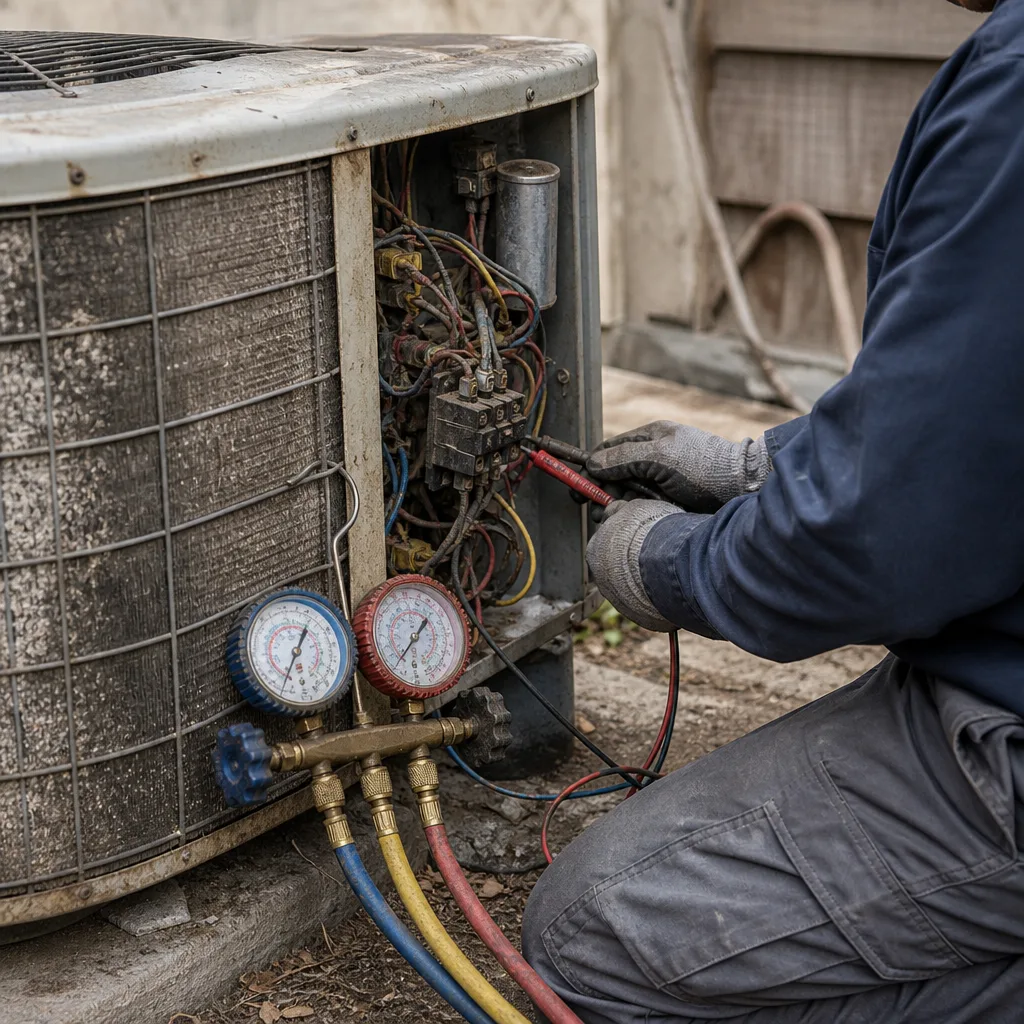
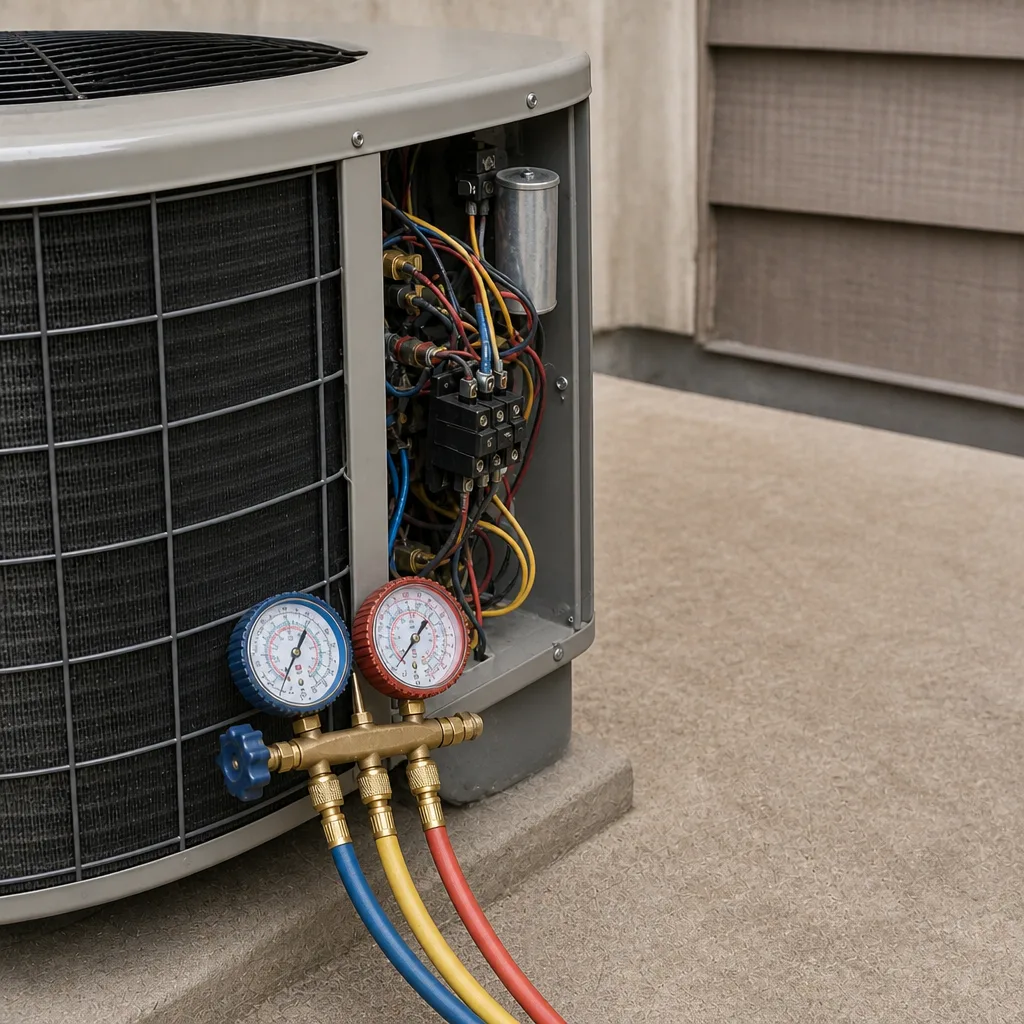
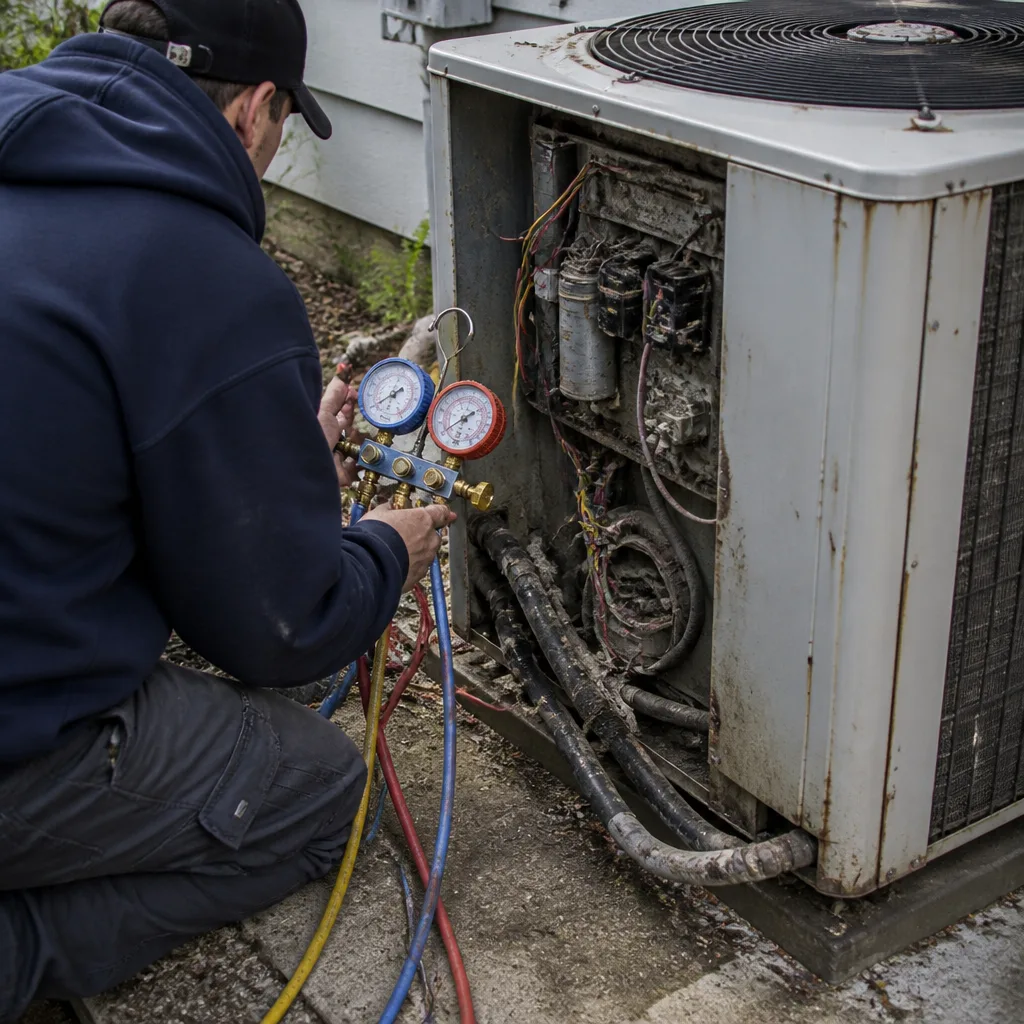
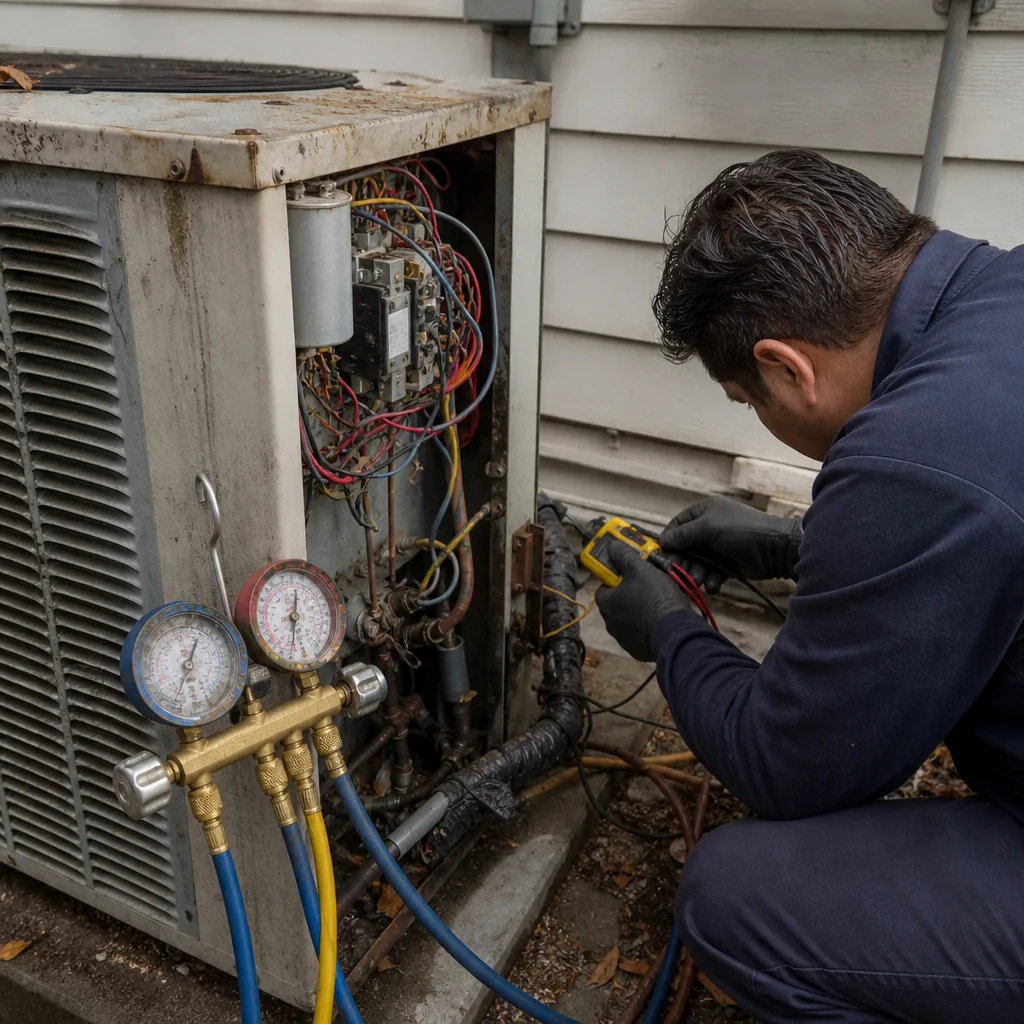
- Ask what the manifold gauge readings and measured charge tell you. If refrigerant is part of the conversation, the technician should be describing measured pressures and temperatures, not guessing. That’s the difference between a charged system and a guessed system.
- Ask whether the repair is covered by your equipment warranty. Even if the equipment is out of warranty, knowing that the work won’t affect future coverage is worth the question.
- Ask whether a permit is required for the work. Any equipment replacement should involve a permit pulled by the contractor. A contractor who wants to skip that step is telling you something.
- Request the written estimate in writing, itemized. Parts, labor, and any permit fees should be visible separately. The estimate is where the price is set, and you should hold the technician to it.
- Request documentation of the repair. Work performed, parts replaced, readings taken, and warranty on the repair itself. This matters for any future service call, for insurance, and if you ever sell the home.
- Don’t shadow the technician at the panel or the condenser. You’re a participant, not a second set of hands. The safety rules protect you here.
That list is also a useful way to evaluate the contractor before you book. A company that works on the brand you already have – not just the ones they sell – is more likely to give you a diagnosis grounded in your system. We work on Goodman, Rheem, York, Daikin, and five other major brands, and we’re happy to explain what the readings say about your system whether or not we installed it. Heating and cooling is all we do, which is why a technician can tell you what’s wrong on a York furnace as confidently as on a Daikin heat pump.
How to Choose an HVAC Contractor in San Mateo
The right professional is easy to spot once you know what to look for. The wrong one is easy to spot too, but usually after you’ve paid. For San Mateo homeowners, the questions that separate the two are specific, and they’re the ones we’d ask if we were hiring out our own system.
- Ask what brands they can service, not just install. A contractor who only handles one brand is selling that brand. A brand-agnostic contractor recommends based on your home, your budget, and the equipment you already have. We’re certified to install and service nine major brands – Carrier, Trane, Lennox, Goodman, Rheem, York, Daikin, Bryant, and American Standard – because we need to work on what’s actually there.
- Ask whether they handle both heating and cooling. Many HVAC problems get categorized as heating or cooling when the systems share ductwork, controls, and air distribution. A contractor who does only one side leaves you juggling two companies. One call covering furnace repair and AC installation under one roof makes a coordinated system upgrade simpler and usually cheaper.
- Ask how long their technicians have been doing this. Our technicians have up to 9 years of experience. Tenure is not a marketing slogan, it’s the difference between a tech who’s seen a failed compressor a dozen times and one who’s reading a manual for the first time.
- Confirm they’re licensed and insured. California requires HVAC contractors to hold a specific license class for this work. Ask for the number and verify it.
- Ask whether the estimate is free and written. Free estimates and an itemized written scope are the standard. The written estimate is where the final price is set – hold them to it.
- Ask whether the install includes a permit. Any replacement equipment should come with a permit pulled by the contractor and inspection by the building department.
Air conditioning work in San Mateo is seasonal, and the pressure to book a repair fast is real when July is hot and your system is out. That pressure is exactly when it’s worth asking two or three extra questions. A free estimate costs you nothing. A poorly done install costs you for years. For AC Repair San Mateo service, our phone line is answered around the clock and we can usually get out quickly for a diagnosis – same-day often. If you’re choosing a contractor for a replacement, take the extra day and get two written estimates.
Common Mistakes to Avoid
- Topping off refrigerant yourself. It’s illegal without EPA Section 608 certification, and it voids coverage on the exact part most likely to fail. If your AC is low, it’s leaking – the fix is locating and repairing the leak, not adding refrigerant.
- Assuming the biggest quote means the most thorough job. A brand-agnostic contractor recommending equipment for your home is worth more than one tied to a single dealership. In San Mateo’s mixed housing stock, a system that fits a mid-century ranch well may be the wrong fit for a newer townhome, and the recommendation should reflect that.
- Sealing ducts with cloth-backed “duct tape.” It fails within a season of temperature cycling. Use mastic and mesh intended for HVAC ductwork, and only on accessible ducts.
- Skipping the permit on a replacement. Unpermitted HVAC equipment is a documented problem in a sale or insurance claim. The permit is not a formality – it’s the inspection that confirms the install was done to code.
- Trying to reset a tripped breaker by repeatedly flipping it. A breaker that trips while your HVAC is running is telling you something is wrong. Repeatedly resetting it can damage equipment and is a fire risk. Call a professional.
- Blocking the outdoor condenser with plants or fencing. It’s a common and costly misunderstanding of how AC works. The outdoor unit has to reject heat, and restricting airflow makes it work harder and run longer.
- Ignoring a slow drain pan in the attic or closet. A condensate pan that’s slowly filling is either a clogged drain or a coil problem. It doesn’t fix itself, and it eventually damages the ceiling below.
See the difference
 Before
 After
 Before
 After
 Before
 After
When to Call a Professional
Call a professional any time the work crosses the refrigerant, electrical, or permit line. That includes any AC that isn’t cooling, any refrigerant-related task, any work inside the electrical panel or on new HVAC circuit wiring, any equipment installation or replacement, any strange noise or smell from the indoor or outdoor unit, and any heating problem on a gas furnace. Gas appliances are not homeowner service territory, and neither is anything involving the sealed refrigerant circuit. If your system is tripping a breaker, blowing fuses, or leaking water, stop and call – those are not situations to troubleshoot yourself.
AC Repair San Mateo offers free estimates in San Mateo – call (866) 260-3183. We answer 24/7. Fast dispatch from 7am to 7pm, Sunday through Friday. Our technicians have up to 9 years of experience on systems from nine major brands, and we’ll tell you plainly what the readings show.
Frequently Asked Questions
Yes, within limits. A California homeowner may legally replace filters, upgrade a low-voltage thermostat, clear a condensate line, adjust registers, and seal accessible ductwork with mastic. Any work involving regulated refrigerant, the electrical panel, new HVAC circuit wiring, or equipment installation that requires a permit must be done by a licensed contractor.
Federal law under the Clean Air Act requires EPA Section 608 certification to purchase and handle regulated refrigerants. A homeowner cannot legally add refrigerant to a system, and doing so also typically voids the equipment manufacturer’s warranty on the compressor and coil. If your AC is low on refrigerant, it has a leak, and the right repair is finding and fixing the leak – which requires a licensed technician.
Yes, for accessible ducts in attics, crawlspaces, and garages. Sealing joints and connections with UL 181 mastic and mesh is a homeowner-legal task, does not typically require a permit, and improves efficiency in older San Mateo homes where duct runs may lose significant conditioned air. Skip any duct work that requires cutting into walls or ceilings, and use mastic, not cloth duct tape.
The cost depends on the mistake, but the ones we see most often are expensive. An incorrectly charged or miswired system can damage a compressor or control board, and it can also void the warranty. Water damage from a blocked condensate line that isn’t fully cleared can be worse than the original problem. If you’re unsure after a repair attempt, call for a diagnostic before the system runs further.
It depends on the age of the system, the cost of the repair, and how the failure fits into the equipment’s expected life. As a general rule, if the repair is a substantial fraction of the cost of a replacement and the equipment is old, replacement is often the better value – especially when you can qualify for a coordinated AC installation with a permit. A free estimate and a written itemization are the way to compare the two honestly. Call (866) 260-3183 for a straight answer.
Rebate programs change and are set by utility and government bodies, not by HVAC contractors. The right move is to ask the contractor to document the equipment you’re installing and note the efficiency ratings, so you can check current programs directly. We don’t promise rebates we can’t confirm – the written estimate reflects the job, and any rebate program is a separate application you handle with the program administrator.
The Bottom Line
DIY vs professional HVAC is not a skills debate. It’s a map of where California law draws hard lines at refrigerant, electrical work, and permits. The tasks that stay in your hands – filters, thermostats, condensate lines, registers, and mastic duct sealing on accessible runs – are genuinely worth doing, and doing them well extends the life of your system. Everything at the legal line goes to a licensed contractor. The biggest money mistake in HVAC isn’t paying for a repair, it’s paying for a repair twice after a DIY attempt failed. Know the lines, ask good questions, and keep the trained work with the trained people. For San Mateo homeowners, that’s the whole decision.
If your system is struggling, or you want a straight assessment before you decide the next step, call (866) 260-3183 for a free estimate. We answer 24/7. Fast dispatch from 7am to 7pm, Sunday through Friday. We work across San Mateo on the major brands homeowners already have, and we’ll tell you exactly what we find before we recommend anything.
Written by the team at AC Repair San Mateo.