
Last updated November 16, 2026
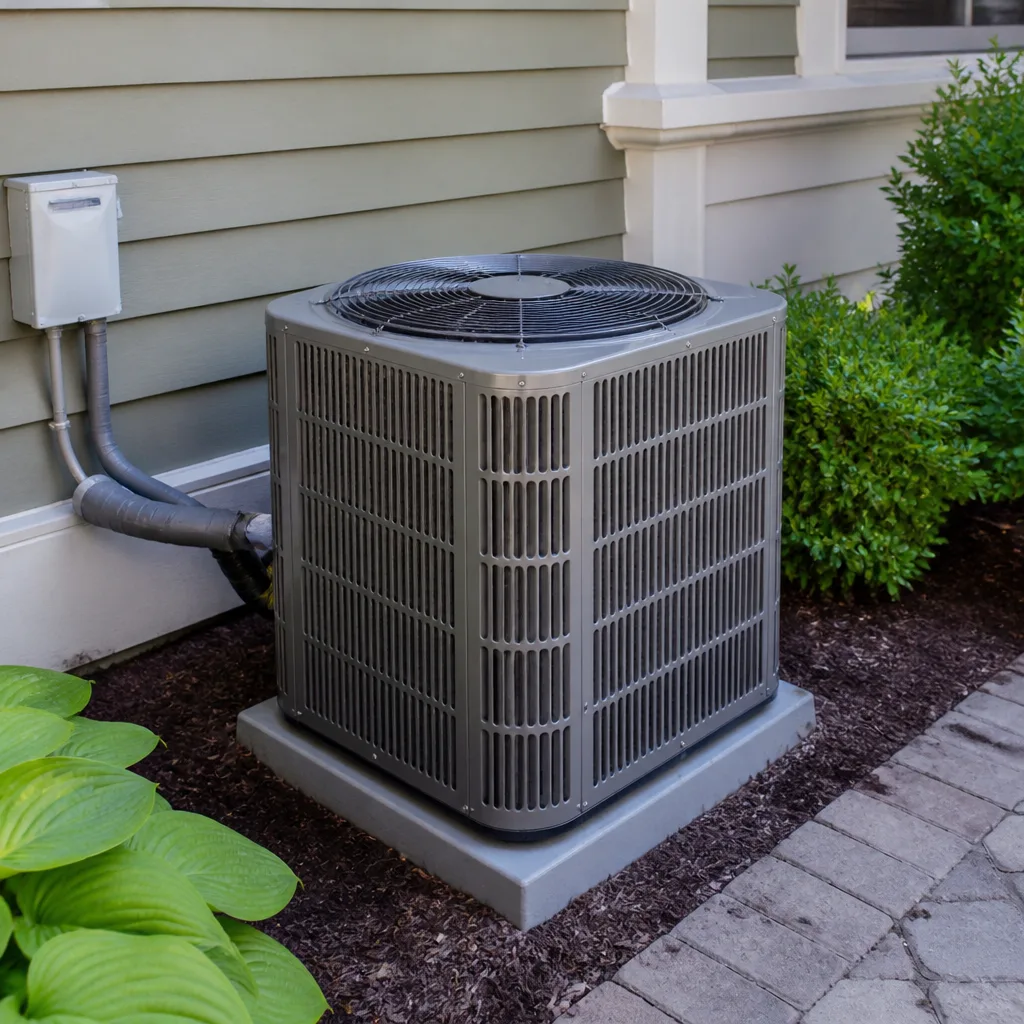 AC repair
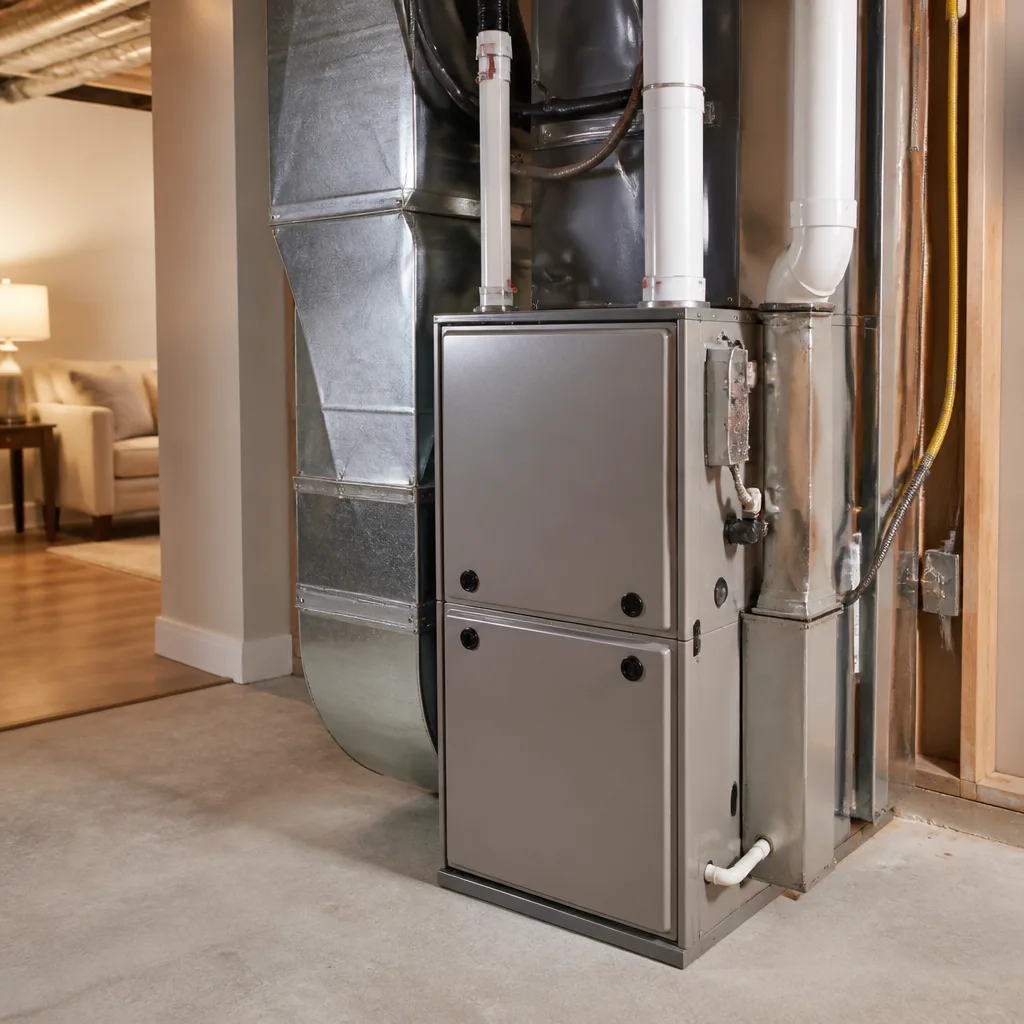 Furnace & heating
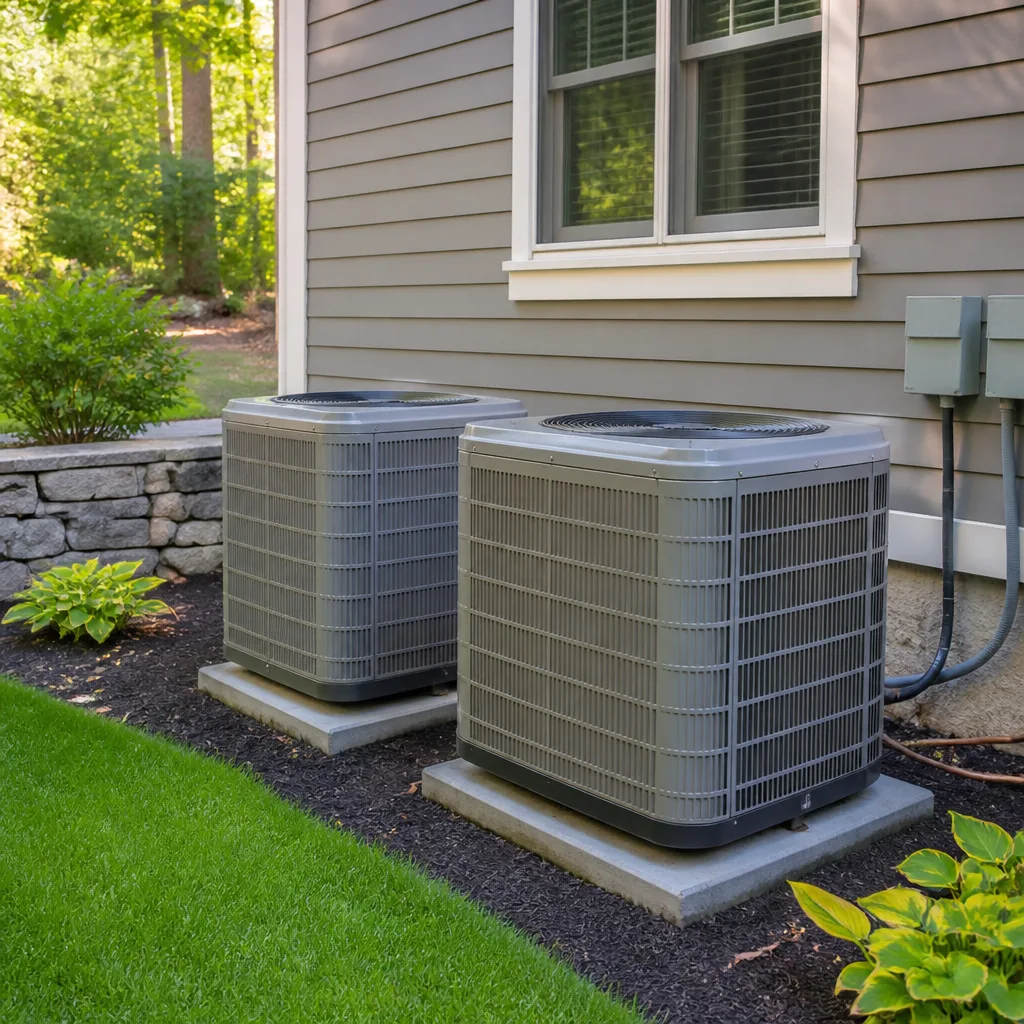 Heat pumps
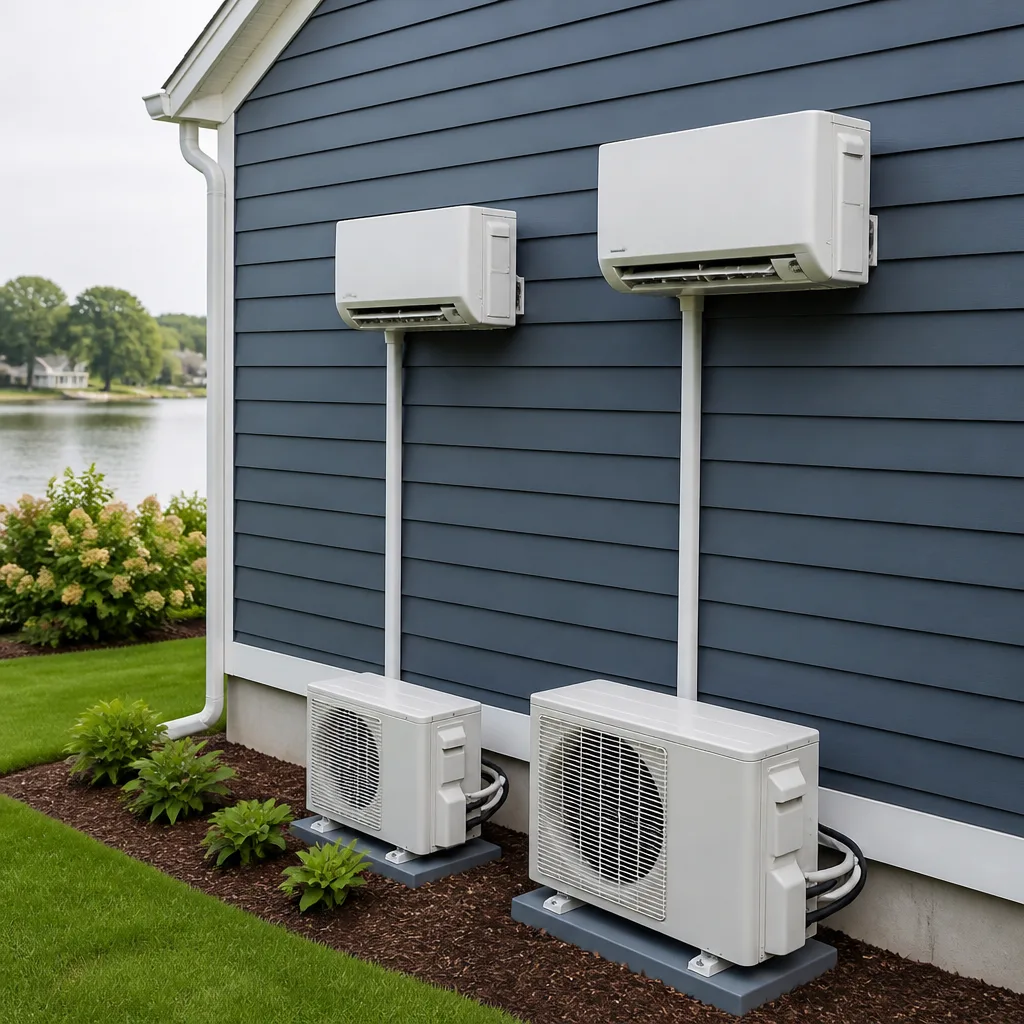 Ductless mini splits
 Carrier
 Trane
 Goodman
Seasonal tune-up and full diagnostic on your Carrier, Trane, or Goodman system - readings shown to you before any repair is proposed
Diagnosis first, numbers second - you approve the repair price before a single part goes in.
Get your free estimateSeasonal HVAC Care for San Mateo: Year-Round Homeowner’s Guide
Following a standard four-season HVAC maintenance schedule in San Mateo means you’re often prepping for a summer that doesn’t arrive until September and skipping the November fog season that actually works your system hardest. Most maintenance calendars were written for places with a crisp spring warm-up and a cold, dry winter. San Mateo doesn’t run that way. The marine layer rolls in and out on its own schedule, wildfire smoke can arrive with no warning, and your system may heat in the morning and cool in the afternoon during the same week in October. This guide lays out a maintenance calendar keyed to what actually happens here, from the San Mateo shoulder seasons to the smoke windows that strain your filters, so you can keep equipment running longer and avoid a mid-season breakdown.
Quick Answer
The best seasonal HVAC care in San Mateo is not a rigid four-season checklist. It’s a calendar built around local conditions: service your AC in late September and October so it’s ready for the hot inland-flow days, upgrade filters ahead of wildfire smoke windows, and prioritize condensate drainage during the high-humidity marine layer months. Heating checks belong in the fall, not deep winter, because San Mateo’s heating demand peaks during foggy mornings and Diablo wind events rather than a long cold season.
Styles & brands we work with
- AC repair
- Furnace & heating
- Heat pumps
- Ductless mini splits
- Carrier
- Trane
- Goodman
Table of Contents
- Why Standard Four-Season Schedules Don’t Fit San Mateo
- A San Mateo Maintenance Calendar Built on Local Weather
- Why Late September and October Are the Months That Matter Most
- Filter Timing and Bay Area Smoke Windows
- Thermostat Scheduling for the Shoulder Seasons
- Condensate Care: The Task That Matters Most in Fog Season
- Diablo Wind Events and What They Do to Your System
- Common Mistakes to Avoid
- When to Call a Professional
- Frequently Asked Questions
Why Standard Four-Season Schedules Don’t Fit San Mateo
Most HVAC maintenance advice you’ll find online assumes a clear split between a hot summer cooling season and a cold winter heating season. That split drives everything from when to schedule a tune-up to when to change a filter. In San Mateo, those assumptions fall apart in a few specific ways, and understanding why is the first step toward a schedule that actually protects your equipment.
The cooling season here doesn’t build through June and July the way it does inland. It often arrives late, driven by heat pushing toward the bay, and the hottest stretches can land in September or October. Meanwhile, the fog that settles over the area through late fall and winter is cool and damp, which means the system may switch to heating on a foggy morning and back to cooling by afternoon. That back-and-forth is rougher on equipment than a long steady run in one mode.
Smoke is the other factor a generic calendar misses. When wildfire smoke drifts into the Bay Area, your system’s air handler and filter become the front line between your family and the outdoor air. A filter that’s already loaded with dust has very little capacity left for smoke particles. A maintenance schedule written for a place with clean air and predictable seasons won’t tell you to prepare for that.
- Cooling demand often peaks late, not in midsummer.
- Heating and cooling can trade off within a single week during shoulder seasons.
- Smoke events create a filter and air-quality problem that has nothing to do with temperature.
- High humidity in fog season puts extra load on the condensate system.
Building your maintenance calendar around these local realities, rather than a template, is what keeps a San Mateo system running reliably through the year. The rest of this guide translates that idea into concrete timing.
A San Mateo Maintenance Calendar Built on Local Weather
Here’s a working calendar you can use as a starting point. It’s organized around local climate events rather than the four seasons, and it puts each task where it does the most good for the equipment. Adjust the exact dates to your own system age and how hard it works, but keep the sequence.
- Early spring (March to April): Clear debris from around the outdoor condenser, check that the unit is level and stable, and do a basic filter change. This is a light-touch month, not a heavy service window.
- Late spring (May to June): Schedule a cooling-system check before the first real heat arrives. Verify refrigerant levels, electrical connections, and the condensate drain line. Confirm the thermostat responds correctly to both heating and cooling commands.
- Marine layer season (roughly June through September): Inspect and clear the condensate drain every few weeks. Watch for standing water near the indoor unit or the outdoor drain outlet. Change filters more often if the system runs daily in foggy, humid air.
- Smoke season (late summer through fall, whenever air quality alerts appear): Switch to a higher-MERV filter ahead of known smoke windows, then check it every few weeks during a smoke event. Keep windows closed and let the system recirculate indoor air.
- Late September and October: The most important AC service window of the year. Get cooling checked and tuned now, while demand has eased but heat is still possible. This is also a good time to confirm your furnace is ready for the first cold fog.
- Early fall (October to November): Schedule a heating check. Have the furnace inspected, the burners and heat exchanger looked at, and the blower checked before fog-season mornings demand real heat.
- Diablo wind windows (fall into winter): Expect dry, gusty days with rapid temperature shifts. Verify your thermostat schedule handles both heating and cooling in the same week, and check filters once the wind settles.
That’s a calendar with seven active touchpoints, but several are quick checks you can do yourself. The service visits are the spring cooling check, the fall heating check, and the late September AC tune-up that this area really benefits from.
Why Late September and October Are the Months That Matter Most
If you take one thing from this guide, take this: the best time to service your air conditioning in San Mateo is late September and October, not April. In much of the country, AC tune-ups happen in spring because summer is the stress test. Here, the stress test often comes after Labor Day. When inland heat pushes toward the bay, the cooling season here can stretch into fall, and a system that’s been running since spring is at its most worn exactly when the hottest days hit.
There’s a practical side to servicing in the fall, too. Demand for AC service tends to be lower than in the middle of a heat wave, which means a technician can take the time to do a proper inspection rather than a rushed call between emergencies. The inspection looks at refrigerant charge, electrical connections, capacitor condition, coil cleanliness, and blower operation. Any of those can quietly degrade over a long cooling season, and a system that’s slightly low on refrigerant or running a tired capacitor can fail on the first hot September afternoon.
Fall is also the natural moment to look at your heating side. The first cold fog usually shows up right around the time the heat breaks. Servicing the cooling system and inspecting the furnace in the same visit window is more efficient than treating them as separate seasons, and it’s a good reason to work with a specialist that handles both. Our AC repair in San Mateo work covers the full range of cooling problems, and we can check the furnace at the same time when the timing overlaps.
- Cooling demand can peak after Labor Day when inland heat pushes toward the bay.
- A system that ran all summer is most vulnerable right when fall heat arrives.
- Fall AC service visits are less rushed than peak-summer emergency calls.
- Pairing the AC check with a furnace inspection saves a separate trip.
If you’ve been thinking of spring as your tune-up season, shift that window to early fall. It matches how the climate here actually works, and it gives you a system that’s ready for both the last heat and the first fog.
Filter Timing and Bay Area Smoke Windows
Filter timing in San Mateo is not just about dust. It’s about smoke. The Bay Area Air Quality Management District has historically tracked smoke events tied to regional wildfires, and those events put a real load on your system’s filter. A filter’s job is to catch particles before they reach the blower and coil. When smoke is in the air, that filter fills up faster than it will on a normal week, and a clogged filter can’t do much for indoor air quality.
The practical rule is to think of filter changes in two modes. In normal conditions, change the filter on the interval your system and filter type call for, checking it monthly if the system runs daily. In smoke mode, check the filter every couple of weeks during an active event and replace it once it’s visibly loaded. A filter that’s gray and heavy isn’t protecting your air; it’s just restricting airflow, which makes the blower work harder and can reduce cooling performance.
- Note the filter size and MERV rating your system is rated for before smoke season starts.
- Keep one spare filter on hand so you can swap it at the first air quality alert rather than hunting for one during a rush.
- Move to a filter with a higher MERV rating only if your system’s manufacturer rates it for that restriction. Higher isn’t always better if the blower isn’t designed for it.
- After a smoke event passes, replace the loaded filter rather than waiting for your normal interval.
- Keep windows closed and run the fan to recirculate indoor air during a smoke window, rather than pulling in outdoor air.
The bigger point is that filter timing here follows air quality, not the calendar. Treat the district’s alerts as your signal to check the filter and treat your regular interval as a baseline. That one habit does more for indoor air during smoke season than almost anything else a homeowner can control.
Thermostat Scheduling for the Shoulder Seasons
Shoulder seasons here aren’t a gentle transition. They’re weeks where the system heats in the morning, cools in the afternoon, and does both again the next day. A thermostat set to a single deep setback overnight and a single high setpoint in the afternoon will fight that pattern. The programmable schedule that works inland, with a big gap between a cold morning setpoint and a hot afternoon one, often causes the system to short-cycle here because outdoor conditions swing faster than the schedule expects.
A better approach is to shrink the gap between heating and cooling setpoints and let the system hold a narrower comfort band. That reduces the number of times the system has to switch modes and start and stop, which is easier on the compressor and the blower. If you have a smart thermostat, use a schedule that responds to indoor temperature rather than one locked to a rigid time-of-day pattern. And when a Diablo wind event or a fog morning arrives, resist the urge to nudge the setpoint several degrees at once; small adjustments let the system respond without a big recovery run.
- Keep heating and cooling setpoints within a reasonable band rather than far apart.
- Let the thermostat hold a steady indoor temperature instead of chasing outdoor swings.
- Use small setpoint adjustments rather than large jumps when the weather shifts.
- If you have a smart thermostat, lean on its indoor sensor rather than a fixed schedule during shoulder weeks.
- Check that the thermostat is calling for the correct mode before assuming the system is broken.
A thermostat that’s set up for a two-season climate will work against you during these weeks. When the schedule matches the local weather pattern, the system runs less and lasts longer.
Condensate Care: The Task That Matters Most in Fog Season
When the marine layer sits over San Mateo, the air is damp, and an air conditioning system pulls more moisture out of it than it does on a dry day. That moisture has to go somewhere. It drains out through the condensate line, and if that line clogs or the drain pan overflows, you get water where you don’t want it, often inside a closet or attic space near the indoor unit. It’s the maintenance item most homeowners skip and the one that causes the most avoidable water damage in humid months.
Here’s what to check and when. During fog season, look at the drain pan under the indoor unit every few weeks and confirm it’s dry. Find the outdoor drain outlet and make sure water can actually reach it. A line that’s clogged with algae or debris will back up into the pan, and if the pan has a float switch, it may shut the system down. That shutdown is a safety feature, but it also means your AC stops working on a warm afternoon with no obvious cause.
- Locate the indoor unit’s drain pan and the outdoor drain outlet before you need them.
- During fog season, check the pan for standing water every few weeks.
- Confirm the outdoor outlet is clear and water flows freely when the system runs.
- Watch for algae growth in the line if the system runs continuously in humid air.
- If you see standing water or the system shuts down unexpectedly, have the drain cleared professionally rather than ignoring it.
A clear condensate line is a small thing that prevents a real mess. Treat it as a standing task during the humid months, not an afterthought once a year. It’s one of the highest-value checks on this entire calendar.
Diablo Wind Events and What They Do to Your System
Diablo wind events bring dry, gusty air and sharp temperature swings, and they tend to arrive in fall and early winter. For an HVAC system, the challenge is the sudden shift in demand. Dry air holds heat differently, overnight temperatures can drop faster than a fixed schedule expects, and the system may swing between heating and cooling within a day or two. Gusty wind also pushes debris toward outdoor equipment and can drive smoke or dust into the air intake if conditions align.
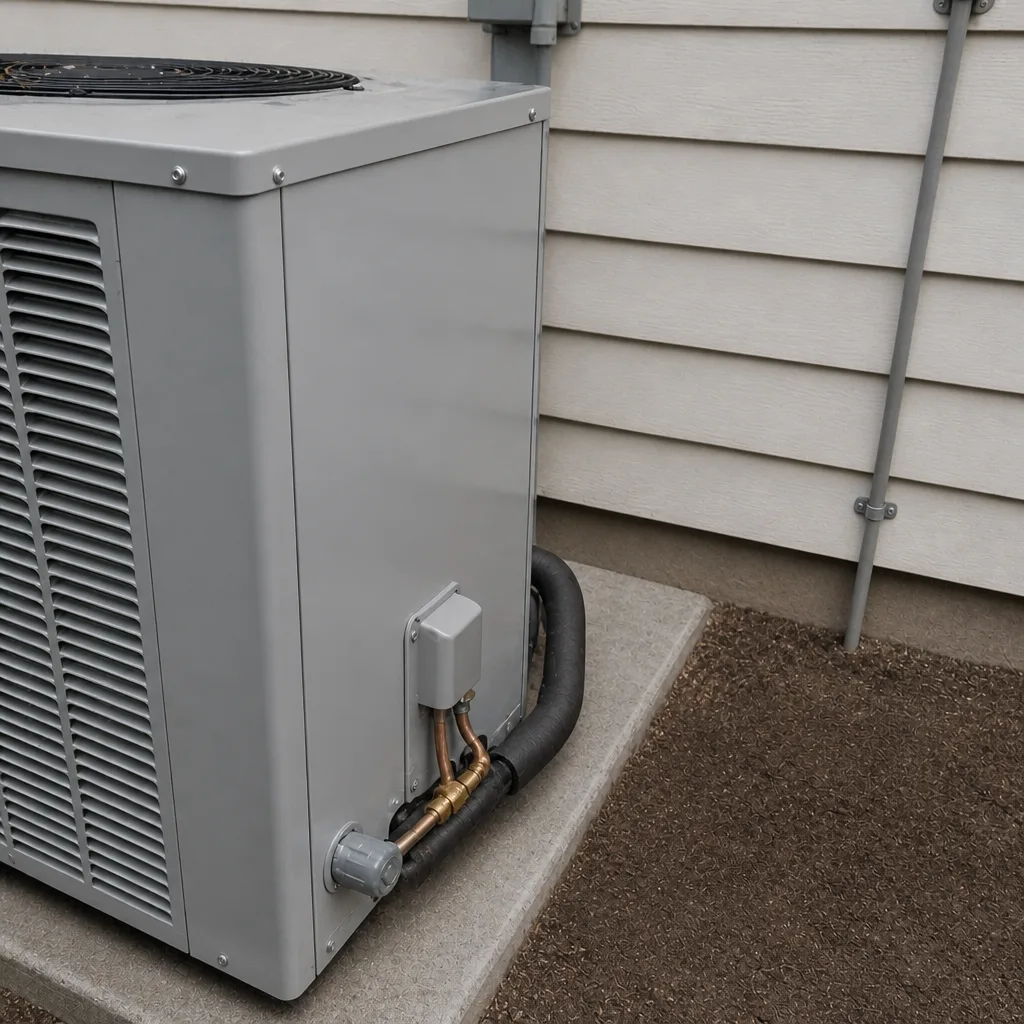
The practical response is preparation. Before a wind window, clear loose debris from around the outdoor unit and make sure nothing is leaning against it. Check the filter once the wind settles. If your thermostat is on a fixed schedule, consider a temporary hold so the system doesn’t keep switching modes as outdoor conditions swing. Wind events are also a good reminder to look at the outdoor unit’s mounting; a unit that’s loose or sitting on uneven ground can vibrate or shift.
- Clear debris from around the condenser before a wind window.
- Check the filter once the wind settles, since gusty air can carry dust and smoke.
- Use a thermostat hold during sharp temperature swings to reduce mode switching.
- Look at the outdoor unit’s mounting and confirm it’s stable and level.
- If the unit vibrates or rattles during wind, have it inspected before the next season.
Diablo wind events pass quickly, but the wear they cause can linger. A short prep and a quick check afterward keep the system from carrying that stress into the next set of conditions.
See the difference
 Before
 After
 Before
 After
 Before
 After
Common Mistakes to Avoid
- Following a spring-only AC tune-up schedule. In San Mateo, the cooling season often peaks in late September or October, so a system serviced in April has already run all summer by the time the real heat arrives. Shift the main AC service window to early fall.
- Waiting for summer heat to service cooling equipment. Peak summer demand makes service rushed and can mean a longer wait for a repair. Booking a cooling check in the shoulder weeks gives the technician room to do a proper inspection.
- Ignoring the condensate line during fog season. High humidity means more moisture pulled from the air, and a clogged drain line turns into water inside a closet or attic space. Check the drain pan and outdoor outlet every few weeks during the humid months.
- Skipping filter changes during smoke events. A filter that’s loaded with dust has little capacity left for smoke particles. Keep a spare on hand and swap it at the first air quality alert rather than waiting for the normal interval.
- Running a thermostat schedule built for a two-season climate. Big swings between a cold morning setpoint and a hot afternoon one cause short-cycling during shoulder weeks. Narrow the band and let the system hold a steadier temperature.
- Treating the furnace as an afterthought because winters are mild. Fog-season mornings and Diablo wind windows still create real heating demand, and a furnace that hasn’t been checked can fail right when you need it. Schedule the heating check in the fall.
- Assuming a higher MERV filter is always better. A filter with a higher rating than the system is designed for can restrict airflow and hurt performance. Match the filter to the system’s rating rather than going as high as possible.
When to Call a Professional
Some tasks on this calendar are homeowner checks. Others should go to a technician. Call a professional if the system switches modes but doesn’t actually heat or cool, if you see standing water near the indoor unit or the drain pan keeps overflowing, if the outdoor unit rattles or doesn’t start on a hot afternoon, if the furnace gives off a strange smell or won’t stay lit, or if the thermostat calls for cooling and nothing happens. Those are the signs that something beyond a filter change needs a trained eye.
AC Repair San Mateo offers free estimates in San Mateo. Call (866) 260-3183. We answer 24/7. Fast dispatch from 7am to 7pm, Sunday through Friday. We work on the systems you already have, and we handle both furnace repair and cooling service, so one call covers the whole system.
Frequently Asked Questions
Schedule AC maintenance in late September or October. Cooling demand often peaks after Labor Day here when inland heat pushes toward the bay, so a fall tune-up prepares the system for the real heat instead of an April service that’s already worn down by the time summer ends. That timing also lets a technician pair the cooling check with a furnace inspection before fog season. Call (866) 260-3183 for a free estimate.
Change your filter on the interval your system and filter type call for, but check it monthly if the system runs daily, and every couple of weeks during an active smoke event. Smoke from regional wildfires fills a filter faster than normal conditions do, and a loaded filter restricts airflow. Keep a spare on hand so you can swap it at the first air quality alert.
A shutdown during foggy weather is often the condensate system, not the cooling components. High humidity means more moisture is pulled from the air, and a clogged drain line can back up into the pan and trigger a float switch that shuts the system down. Clear the drain and check the pan, and if the shutdown repeats, have the drain cleared professionally. Call (866) 260-3183 for a free estimate.
Yes. The cooling season peaks late, heating and cooling can trade off within a single week during the shoulder seasons, and wildfire smoke creates a filter and air-quality load that a standard four-season calendar doesn’t account for. A schedule keyed to marine layer cycles, Diablo wind events, and smoke windows protects the system better than a generic quarterly checklist.
It can be normal during the shoulder seasons. San Mateo’s fog mornings and mild afternoons mean the system may switch between heating and cooling within the same week. The issue is usually the thermostat schedule, not the equipment. Narrow the gap between your heating and cooling setpoints so the system holds a steadier temperature instead of swinging between modes.
We service and install equipment across nine major brands, including Rheem, York, Daikin, and Bryant, so we diagnose the system in front of us rather than just the brand we sell. Recommendations are matched to your home and budget. That carries over to full replacements too, including AC installation and furnace replacement. Call (866) 260-3183 for a free estimate.
The Bottom Line
Seasonal HVAC care in San Mateo works best when the calendar follows the local climate instead of the four seasons. Service the AC in late September and October, upgrade and change filters ahead of smoke windows, keep the condensate line clear through fog season, and set your thermostat to hold a steady band during the shoulder weeks. Do those four things consistently, and the system handles the marine layer, the Diablo winds, and the late heat without a breakdown. When something doesn’t feel right, call AC Repair San Mateo at (866) 260-3183 for a free estimate. We answer 24/7. Fast dispatch from 7am to 7pm, Sunday through Friday.
Written by the team at AC Repair San Mateo.