
Last updated November 16, 2026
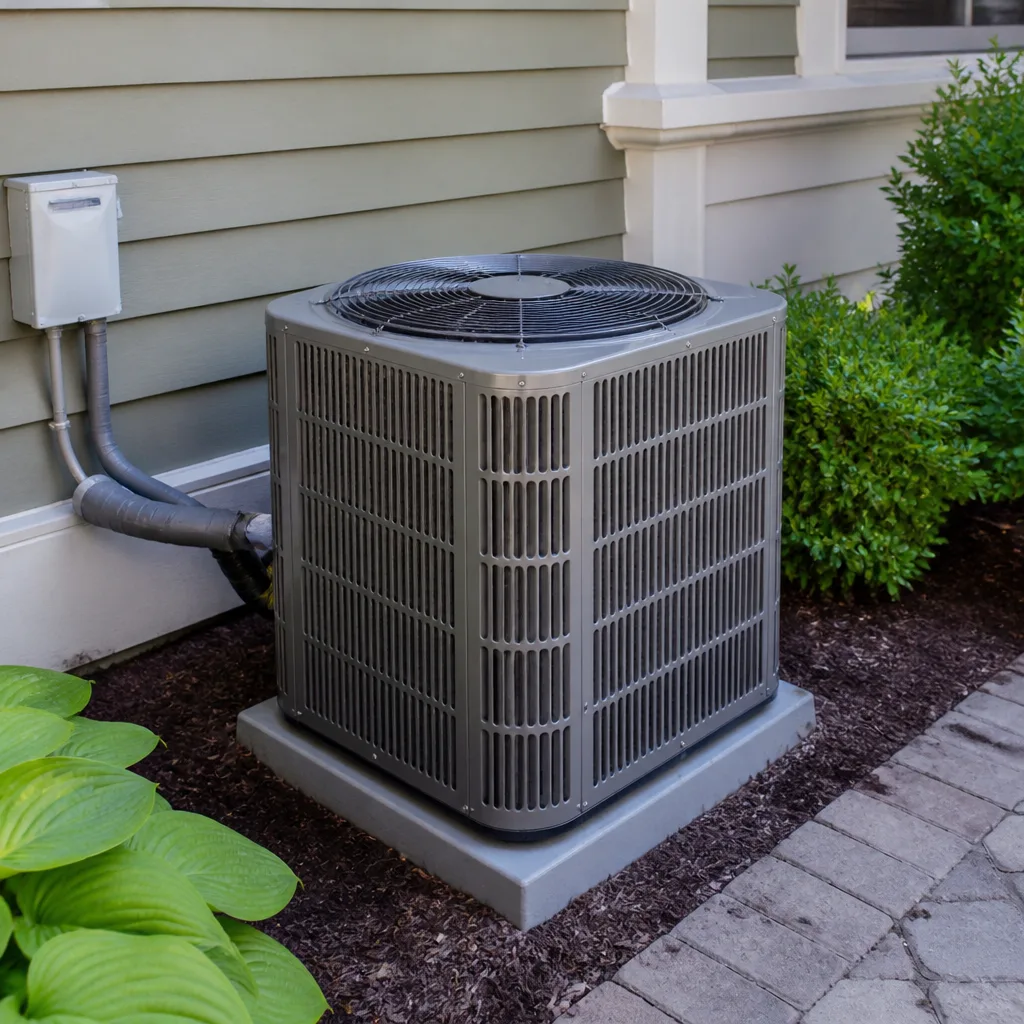 AC repair
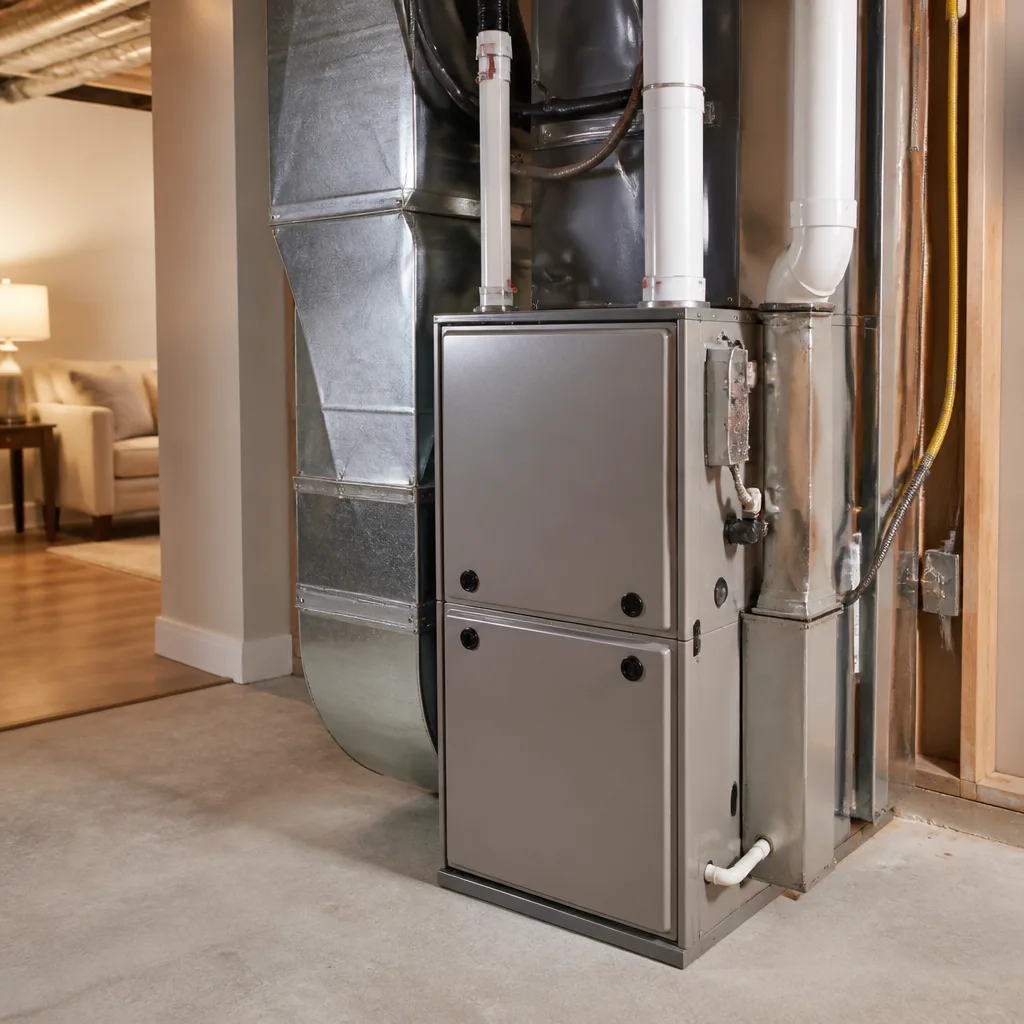 Furnace & heating
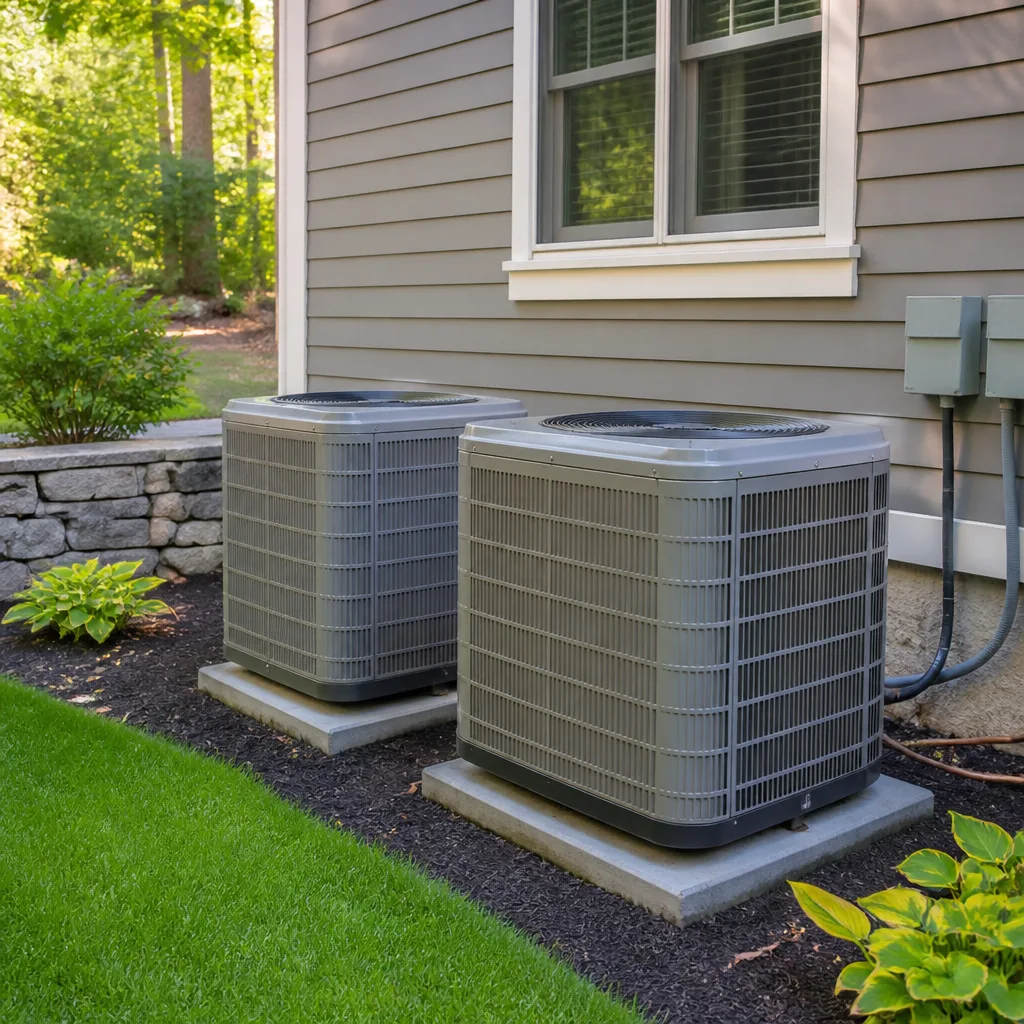 Heat pumps
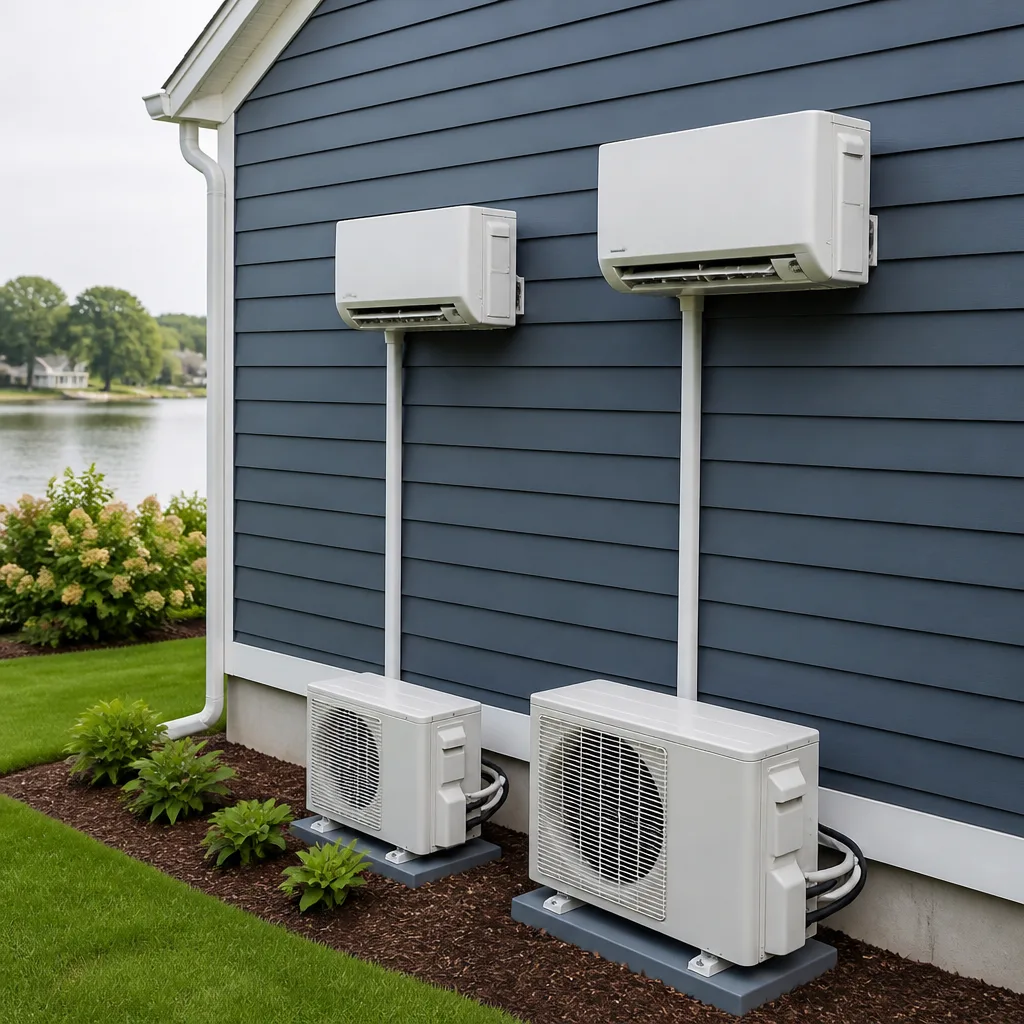 Ductless mini splits
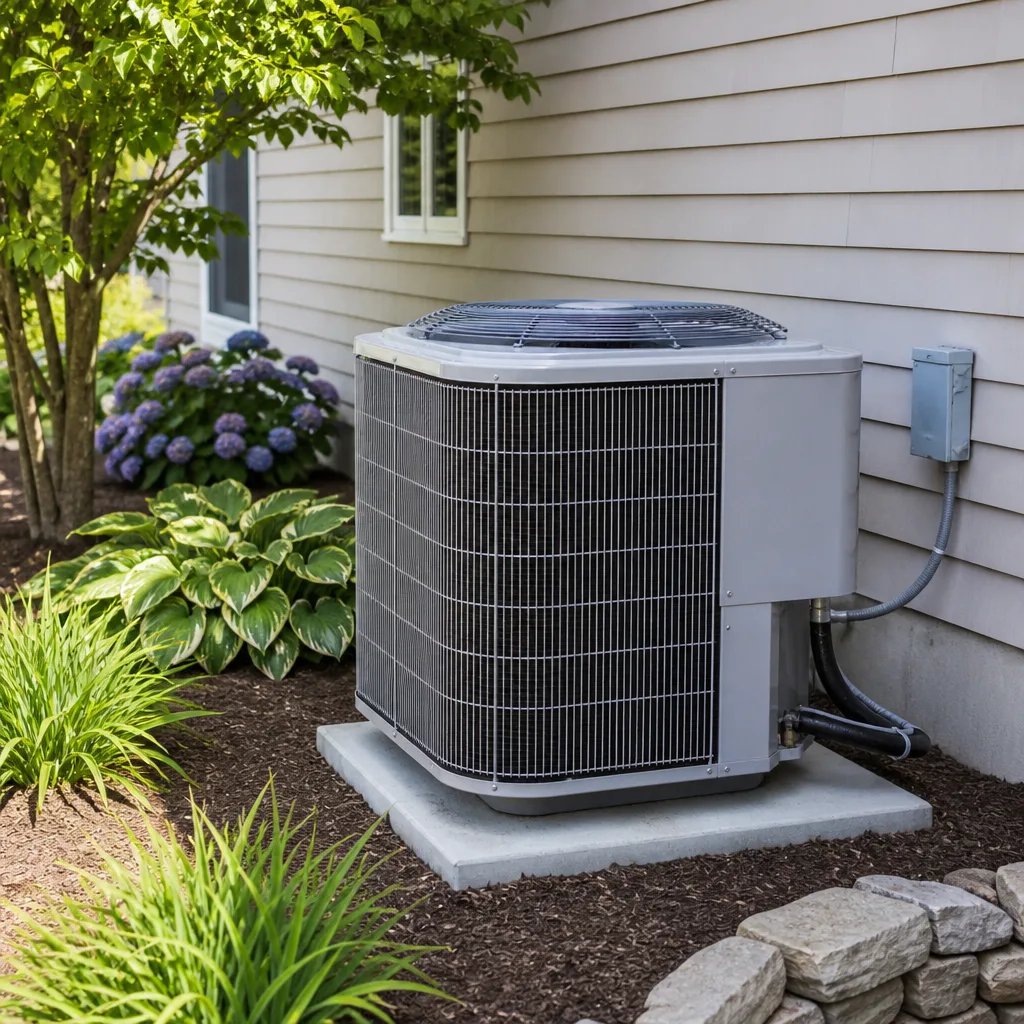 Carrier
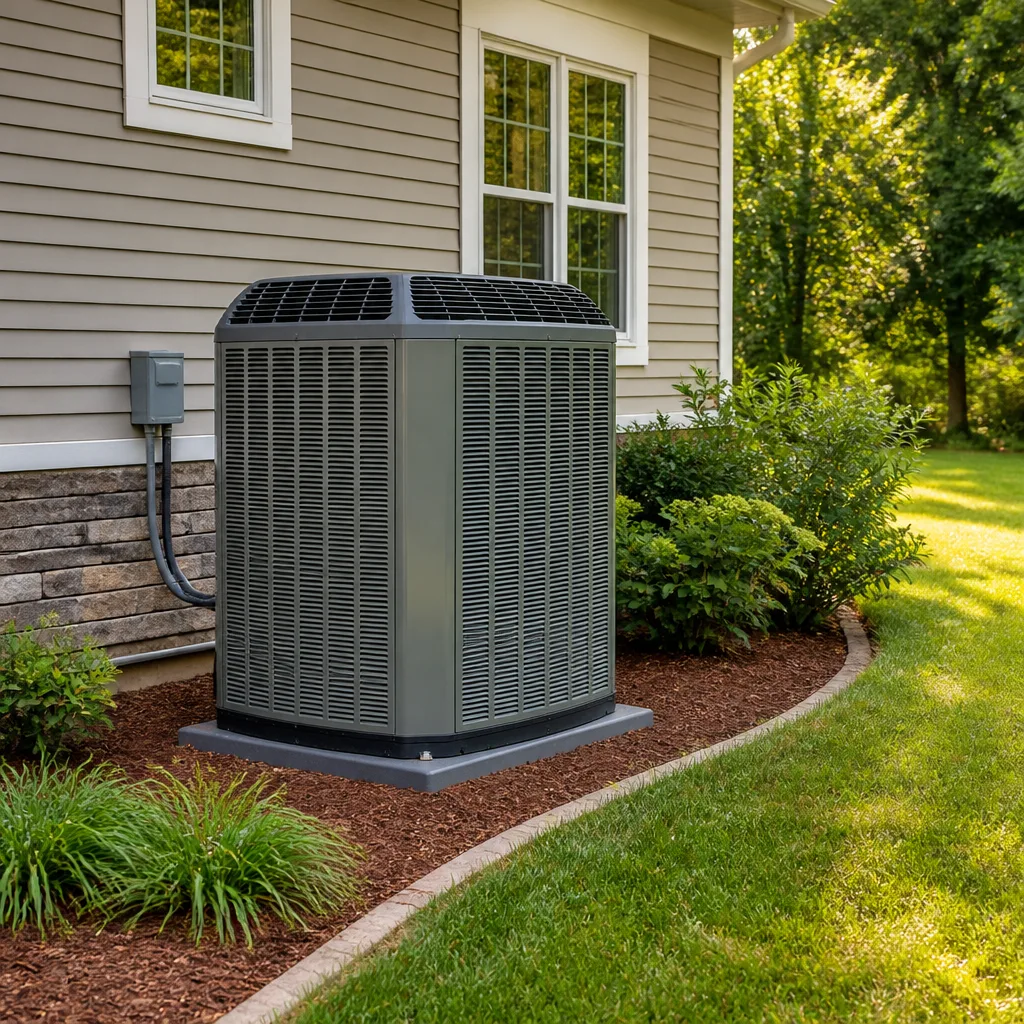 Trane
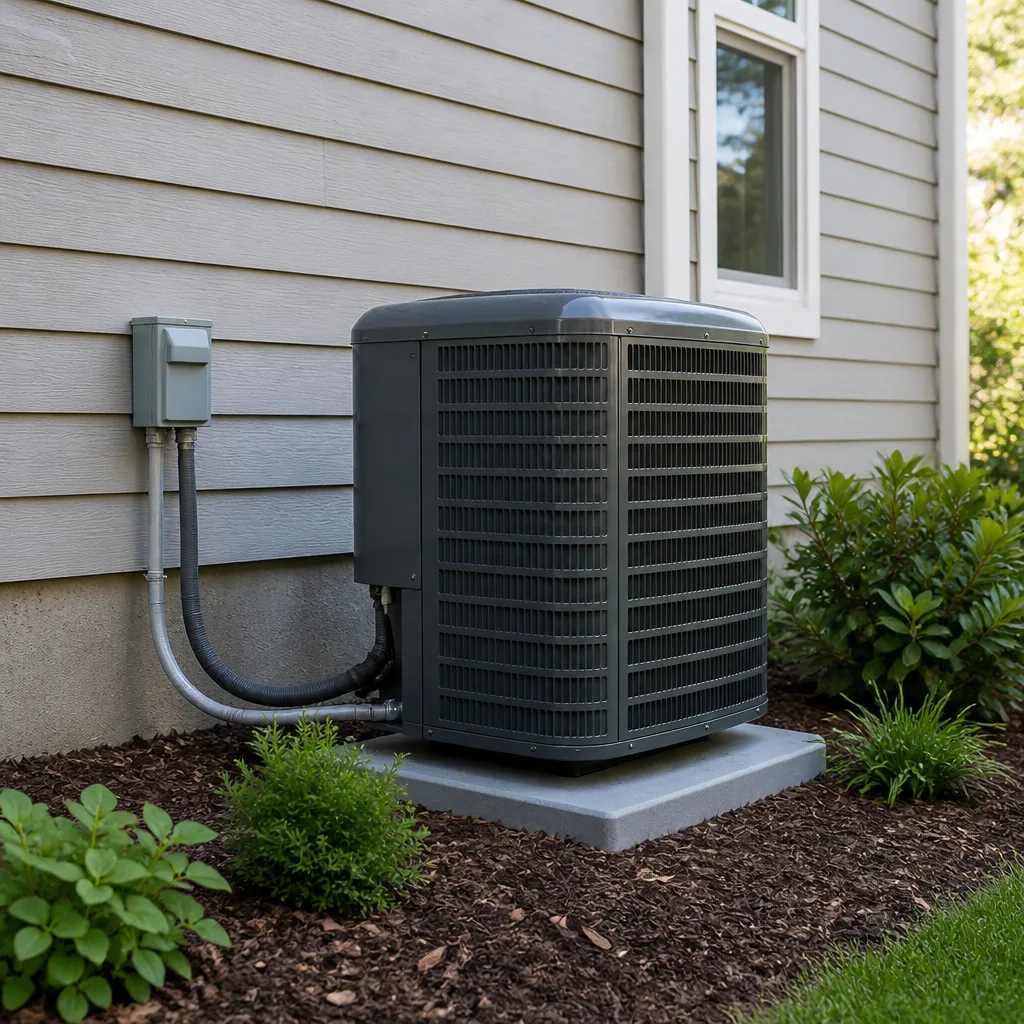 Goodman
Seasonal tune-up and full diagnostic on your Carrier, Trane, or Goodman system - readings shown to you before any repair is proposed
Diagnosis first, numbers second - you approve the repair price before a single part goes in.
Get your free estimateHow to Hire an HVAC Contractor in San Mateo: A Step-by-Step Guide
A California C-20 HVAC license requires the same field hours whether a contractor runs two HVAC jobs a month or twenty. The license proves minimum competency. It tells you almost nothing about whether the person who shows up at your door has ever performed a load calculation, or whether they’ll default to swapping your old unit for a same-size replacement without checking if that size was ever right for your house. In San Mateo, that gap matters. The Peninsula market is crowded with general home-service companies that list heating and cooling as one of a dozen trades, and their diagnostic depth usually reflects that spread. This guide gives you a screening process to separate genuine HVAC specialists from generalists who keep HVAC on the menu. You’ll learn what to ask, how to read a license lookup, why the lowest bid usually costs more, and how to compare two legitimate proposals on scope rather than sticker price.
Quick Answer
To hire an HVAC contractor in San Mateo, verify an active California C-20 license through the state board’s lookup, ask directly whether the contractor performs Manual J load calculations before recommending equipment, request the permit be pulled in their name, and compare at least two written bids on scope and included work rather than price alone. A specialist who works on the brand you already have, rather than only the brand they sell, is your strongest signal that the recommendation is honest.
Styles & brands we work with
- AC repair
- Furnace & heating
- Heat pumps
- Ductless mini splits
- Carrier
- Trane
- Goodman
Table of Contents
- Why San Mateo Homeowners Face a Tougher Hiring Market
- Specialist or Generalist? How to Tell the Difference Before You Book
- How to Read a California C-20 License Lookup
- The Load Calculation Question That Reveals Everything
- Why the Lowest Bid in San Mateo Usually Costs More
- Bay Area Red Flags: Warranties, Subcontracting, and Missing Documentation
- How to Compare Two Legitimate Bids Without Getting Fooled by Price
- The Questions to Ask Before You Sign Anything
Why San Mateo Homeowners Face a Tougher Hiring Market
San Mateo sits in a stretch of the Peninsula where mild winters and warm summers create a particular set of HVAC demands. You’re not fighting extreme cold. You’re managing a climate where the furnace runs lightly for a few months, the air conditioner works harder than people expect from July through September, and homes built across several decades carry wildly different insulation, ductwork, and window quality. A system sized for a 1950s ranch house won’t perform the same way in a newer build a few blocks away, and that difference is exactly where substandard contractors get caught.
The bigger problem is supply. San Mateo’s proximity to San Francisco and the broader Bay Area means the local home-services market is dense with multi-trade companies. These businesses advertise heating and cooling alongside plumbing, electrical, roofing, and handyman work. When a company’s technicians rotate across several trades, the person diagnosing your furnace may have been installing water heaters last week. That’s not a knock on their work ethic. It’s a structural reality of how generalist shops operate, and it shows up in diagnostic accuracy.
We work in this market daily, and we see the same pattern: homeowners call three companies, get three wildly different recommendations, and have no framework for deciding which one is right. Some recommendations are honest. Some are guesses dressed up as expertise. The screening process below is designed to help you figure out which is which before you commit.
One more local factor: San Mateo’s housing stock includes a lot of older homes with original ductwork that was never designed for modern high-efficiency equipment. A contractor who doesn’t inspect the ducts before quoting a new system is setting you up for a system that underperforms from day one. If you’re already dealing with a system that’s limping along, you may need AC Repair San Mateo sooner than you think, and the diagnosis matters as much as the fix.
Specialist or Generalist? How to Tell the Difference Before You Book
An HVAC specialist does heating and cooling and nothing else. A generalist offers HVAC as one of many services. Both can carry a valid license. Only one has technicians whose entire working life is spent on furnaces, air conditioners, and the systems that connect them. That distinction affects everything from how fast a problem gets diagnosed to whether the recommendation you receive was built around your home or around a sales target.
Here’s how to tell the difference in a five-minute phone call:
- Ask what services they offer. If the answer includes plumbing, electrical, roofing, or general handyman work, HVAC is one line item among many. If the answer is heating and cooling only, you’re talking to a specialist.
- Ask which brands they service. A single-brand dealer will recommend that brand because that’s what they sell. A contractor certified across multiple brands, like Carrier, Trane, Lennox, or American Standard, can match equipment to your home and budget rather than to a dealership agreement.
- Ask who will actually do the diagnostic. If the person on the phone can’t tell you whether the technician coming out is an HVAC specialist by trade, that’s a signal. “We’ll send whoever’s available” is not the same as “we only send HVAC technicians.”
- Ask whether they handle both furnace and AC work. A company that covers both sides of whole-home comfort means one call, one diagnosis, one coordinated recommendation. A company that only does cooling will refer you elsewhere when the furnace becomes the problem.
This isn’t about dismissing every multi-trade company. Some do solid HVAC work. But when your air conditioner fails in the middle of a San Mateo heat wave, you want someone whose entire job is understanding why. Heating and cooling is all we do, so we do it right. That’s the standard you should hold every contractor to, whether you hire us or not.
How to Read a California C-20 License Lookup
Every legitimate HVAC contractor in California holds a C-20 Warm-Air Heating, Ventilating, and Air-Conditioning license, or operates under one. The Contractors State License Board (CSLB) maintains a public lookup where you can verify a license in under two minutes. Most homeowners stop at “active” and move on. That’s a mistake. The lookup contains more information than most people realize, and it tells a story about how a contractor runs their business.
Here’s what to check, and what each field actually means:
- License status. Active is the baseline. If it shows expired, suspended, or revoked, stop there. No exceptions.
- Classification. Confirm C-20 specifically. A general B license doesn’t mean the contractor is qualified for HVAC work; it means they can take on a broader range of projects. For HVAC, you want the C-20.
- Issue date and history. A license that’s been active and in good standing for a long stretch suggests a stable operation. A license issued recently isn’t disqualifying, but it’s worth asking how long the technicians have been doing HVAC work. Note that technician experience is different from company age, and you should ask about both.
- Bond and workers’ compensation status. The lookup shows whether the contractor carries the required contractor’s bond and whether they have workers’ comp coverage or are exempt. If they’re exempt and show up with helpers, ask who’s covered and who isn’t.
- Complaints and disciplinary actions. The lookup links to disciplinary history. A single complaint isn’t necessarily a red flag, but a pattern of complaints around the same issue, whether it’s permits or workmanship, is worth weighing.
What the license lookup won’t tell you is whether the contractor does load calculations, pulls permits consistently, or has ever installed a system that was correctly sized for the home. Those answers come from the conversation, not the database. But verifying the license first clears the baseline, and it tells you the contractor is at least operating within the state’s framework.
If you want to cross-check what you learn against a working example, our San Mateo page covers how we approach residential heating and cooling work in this market.
The Load Calculation Question That Reveals Everything
Ask any HVAC contractor one question and you’ll learn more about them than an hour of conversation: “Do you perform a Manual J load calculation before recommending equipment?” The answer separates contractors who engineer a system from contractors who swap boxes.
A Manual J load calculation measures how much heating and cooling your specific home actually needs. It accounts for square footage, insulation, window area and orientation, duct leakage, ceiling height, and local climate data. The result tells you the correct system capacity. Without it, a contractor is guessing, usually based on the size of your existing unit or a rule-of-thumb formula that hasn’t been accurate since the 1980s.
Why does this matter so much? An oversized air conditioner cools the house too fast, cycles on and off repeatedly, and never runs long enough to remove humidity. You end up with a house that feels clammy and a system that wears out early. An undersized system runs constantly and never quite keeps up during the hottest weeks in San Mateo. Both are expensive mistakes, and both are common when a contractor skips the calculation.
When you ask the question, listen for these answers:
- Strong answer: “Yes, we run a Manual J before quoting equipment. We’ll also do a Manual D for the ductwork if it’s in scope.” This means the contractor engineers the system around your home.
- Weak answer: “We match the size of your existing unit.” That’s a like-for-like swap, and it assumes the original install was correct. Plenty aren’t.
- Red flag: “We’ll figure it out on install day” or “Our distributor recommends the size.” Neither answer involves your house.
Ask for the documentation. A contractor who runs a load calculation can show you the output. A contractor who doesn’t will deflect or promise to “send it later.” When you’re weighing AC installation, the calculation is the foundation everything else rests on. Skip it and you’re paying for a system that may never quite work right.
Why the Lowest Bid in San Mateo Usually Costs More
When you get three bids for a furnace replacement or AC installation in San Mateo, the lowest one is rarely the best value. It’s usually the one with something removed. Sometimes the missing piece is equipment capacity. More often, it’s the work behind the walls.
Here’s what tends to get cut to reach the lowest number:
- Permit pulls. A permit costs money and requires inspection. A contractor who skips it saves on both, and you inherit the risk. Unpermitted HVAC work can complicate a future home sale, and in San Mateo, where disclosure requirements are strict, that’s a real liability.
- Equipment sizing. Downsizing the equipment to hit a price is the single most common way bids get low. If the proposal doesn’t mention a load calculation, assume the size was chosen for the budget, not the house.
- Ductwork. Replacing a furnace without addressing leaking or undersized ducts means the new equipment fights the old distribution system. The system runs harder and delivers less comfort.
- Line set and refrigerant. Sometimes the low bid reuses old components that should be replaced. It keeps the price down and shifts the cost to you in a few years.
- Labor and cleanup. Fewer technicians, less time, less care. It shows up in small things first, and bigger things later.
The rule of thumb: if one bid is significantly below the others, ask what’s missing. A legitimate contractor can walk you through the difference. A contractor cutting corners will get defensive or vague. Either response tells you something.
This is also why brand-agnostic recommendations matter. A contractor locked into one brand may quote you a system that costs more simply because that’s what their dealership arrangement requires. When a contractor works across multiple brands, they can match equipment to your budget and your home’s actual needs. We work on the brand you already have, not just the ones we sell, and that’s the standard worth demanding.
Bay Area Red Flags: Warranties, Subcontracting, and Missing Documentation
The Bay Area HVAC market has a few patterns that homeowners elsewhere don’t encounter as often. San Mateo sits close enough to San Francisco and the broader Peninsula that out-of-area contractors will bid on local work, sometimes without ever having installed in your specific housing stock. That’s not automatically bad, but it introduces risk that you should screen for.
Watch for these signals:
- Vague warranty terms. A legitimate contractor will put the manufacturer’s warranty and their own labor warranty in writing, with specific terms and duration. “We stand behind our work” is not a warranty. Ask for the paperwork before you sign.
- Out-of-area subcontracting. If the company bidding the job is based well outside San Mateo and plans to send a subcontractor, ask who the subcontractor is and whether they’re licensed. You should know the name of the company whose technicians will actually be in your home.
- No Manual J documentation. A contractor who can’t or won’t provide the load calculation is telling you something. Either they didn’t run one or they don’t want you to see it. Both are problems.
- Pressure to sign today. HVAC equipment is not an impulse purchase. A contractor who needs an answer on the spot, before you’ve had time to compare bids, is using urgency as a sales tool. A fair proposal can wait a day while you think.
- Permits handled “by the homeowner.” In California, the contractor is responsible for pulling the permit on work they perform. If they suggest you pull it yourself to “save money,” they’re shifting liability to you.
- No physical business address or license number on the proposal. Both should be visible. If they’re not, ask.
- Refusal to show the equipment model numbers. You should know exactly what equipment is going in your home, down to the model. If the bid just says “3-ton AC unit,” that’s a problem. You can’t compare bids without model numbers.
None of these red flags on their own means the contractor is bad. But two or three together usually means it’s time to keep looking. When your furnace is failing in the middle of winter and you need furnace repair, the pressure to just say yes is real. Slow down anyway. A day of diligence beats a decade of regret.
How to Compare Two Legitimate Bids Without Getting Fooled by Price
If you’ve done the screening work correctly, you’ll probably end up with two or three bids that all come from legitimate contractors. That’s when the comparison gets harder, because now you’re evaluating scope, not credentials. The instinct is to pick the lower number. The better move is to normalize the bids against a shared checklist so you’re comparing apples to apples.
Here’s the framework:
- Verify equipment model numbers on both bids. Same capacity, same efficiency tier, same model line. If one bid includes a lower-efficiency unit at the same price, the “cheaper” bid is actually more expensive per unit of performance.
- Confirm the load calculation is included in both. If one contractor ran a Manual J and the other didn’t, they’re not really bidding the same job.
- Check what’s included in the scope. Ductwork modifications, line set replacement, thermostat, refrigerant charge, cleanup, and permit fees. One contractor may bundle these; the other may bill them separately later.
- Compare warranties line by line. Manufacturer parts warranty, compressor warranty, and labor warranty. Labor warranty is the one most often glossed over, and it’s the one that saves you money if something goes wrong.
- Look at the installation plan. How many technicians, how long will the job take, and what happens if they find something unexpected once the old equipment is out? A bid that doesn’t address this is a bid without a contingency.
- Ask about the permit. Confirm both contractors will pull one, and confirm the inspection is included in the deal. It’s part of what you’re paying for.
- Now compare price. With scope normalized, the price difference usually shrinks. When it doesn’t, you know exactly what the cheaper contractor left out.
This framework applies to both furnace replacement and AC installation, and it’s the same method we use when we walk a homeowner through a proposal. One call covers your furnace and your AC, no juggling contractors, which means the same framework applies across both sides of your system if you’re upgrading together.
The Questions to Ask Before You Sign Anything
You’ve verified the license, screened for specialist credentials, and compared bids on scope. Before the signature line, run through these questions. Any contractor who handles them cleanly is worth hiring. Any contractor who gets annoyed is telling you something about how they’ll handle problems after the sale.
- “Can you show me the Manual J load calculation?” Request the document, not a promise.
- “Will you pull the permit, and who handles the inspection?” The answer should be them, and the answer should include an inspection.
- “What’s the exact model number of the equipment going in?” You should have this in writing before install day.
- “What’s the labor warranty, in writing?” Specific months or years, not “we stand behind it.”
- “If the equipment turns out to be the wrong size after installation, what’s the remedy?” A good contractor has an answer. A bad one changes the subject.
- “Who are the technicians who’ll be in my home, and are they HVAC specialists?” You’re allowed to ask. You should.
- “How do you communicate during the job if I’m not home?” A clear answer here suggests a clean operation.
- “What happens if a problem shows up six months later?” A contractor with a process will describe it plainly.
Nine major brands, one specialist team. Our technicians have up to 9 years of experience. That’s the kind of answer you should look for in every contractor you consider, regardless of which company you ultimately hire. Honest assessment before any recommendation is a standard, not a slogan.
Common Mistakes to Avoid
- Choosing the lowest bid without asking what’s missing. In San Mateo’s competitive HVAC market, the cheapest bid usually reflects omitted work, undersized equipment, or a skipped permit. Ask for the scope breakdown before you sign.
- Skipping the license lookup. A quick CSLB check takes two minutes and tells you whether the contractor is even allowed to do the work in California. Skipping it is the most avoidable mistake on this list.
- Not asking for the Manual J calculation. Homeowners sometimes assume the contractor “must have done it.” If it’s not in the paperwork, it wasn’t done, and the equipment size may be a guess.
- Letting the contractor pull the permit “under the homeowner’s name.” In San Mateo and across California, the licensed contractor should pull the permit for work they perform. If they suggest otherwise, it’s a liability transfer, not a favor.
- Comparing bids on price instead of scope. Two bids that look similar in price can cover wildly different work. Normalize scope, equipment specifications, and warranty coverage first, then compare the numbers.
- Accepting a verbal warranty. “We’ll take care of you” is not a warranty. Get the labor warranty and manufacturer warranty in writing before install day.
- Ignoring the ductwork. A new high-efficiency system connected to leaky or undersized ducts won’t deliver the efficiency you paid for. If the contractor doesn’t mention the ducts, ask.
See the difference
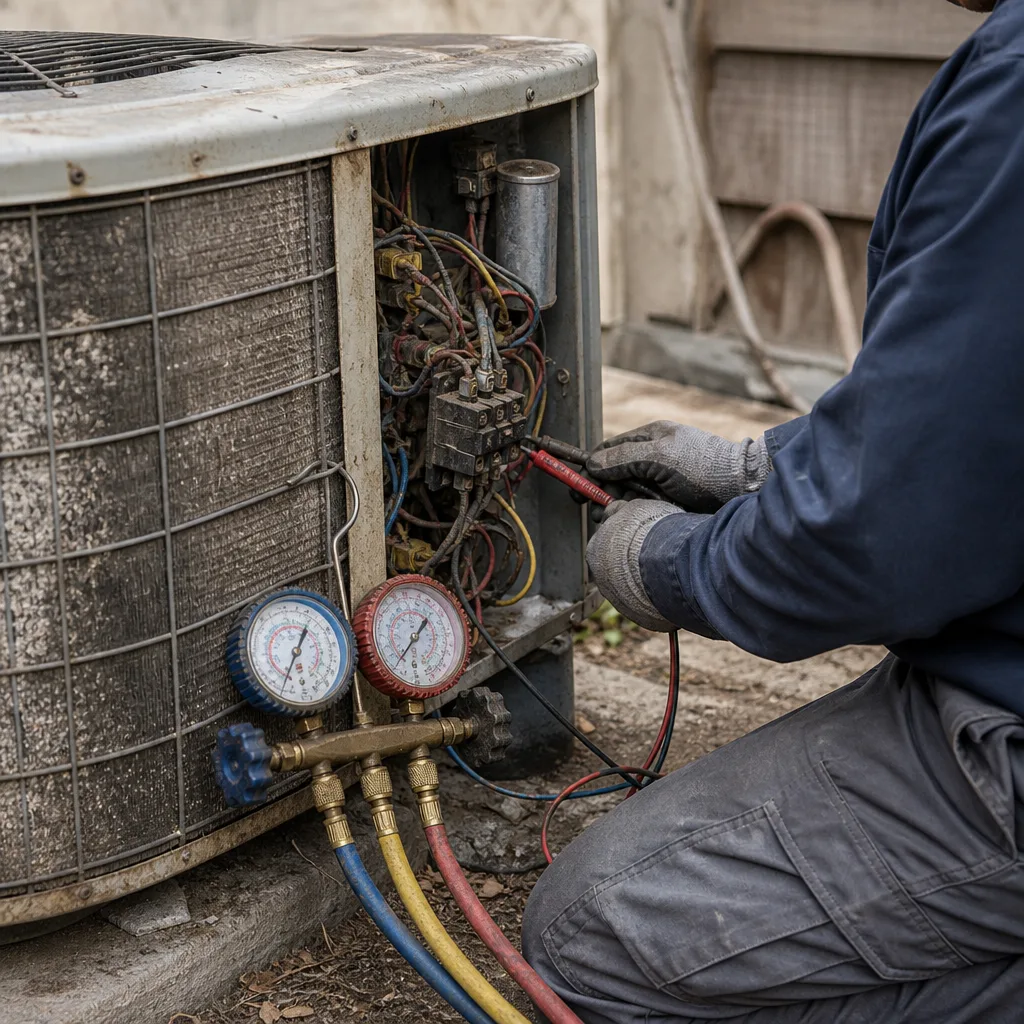 Before
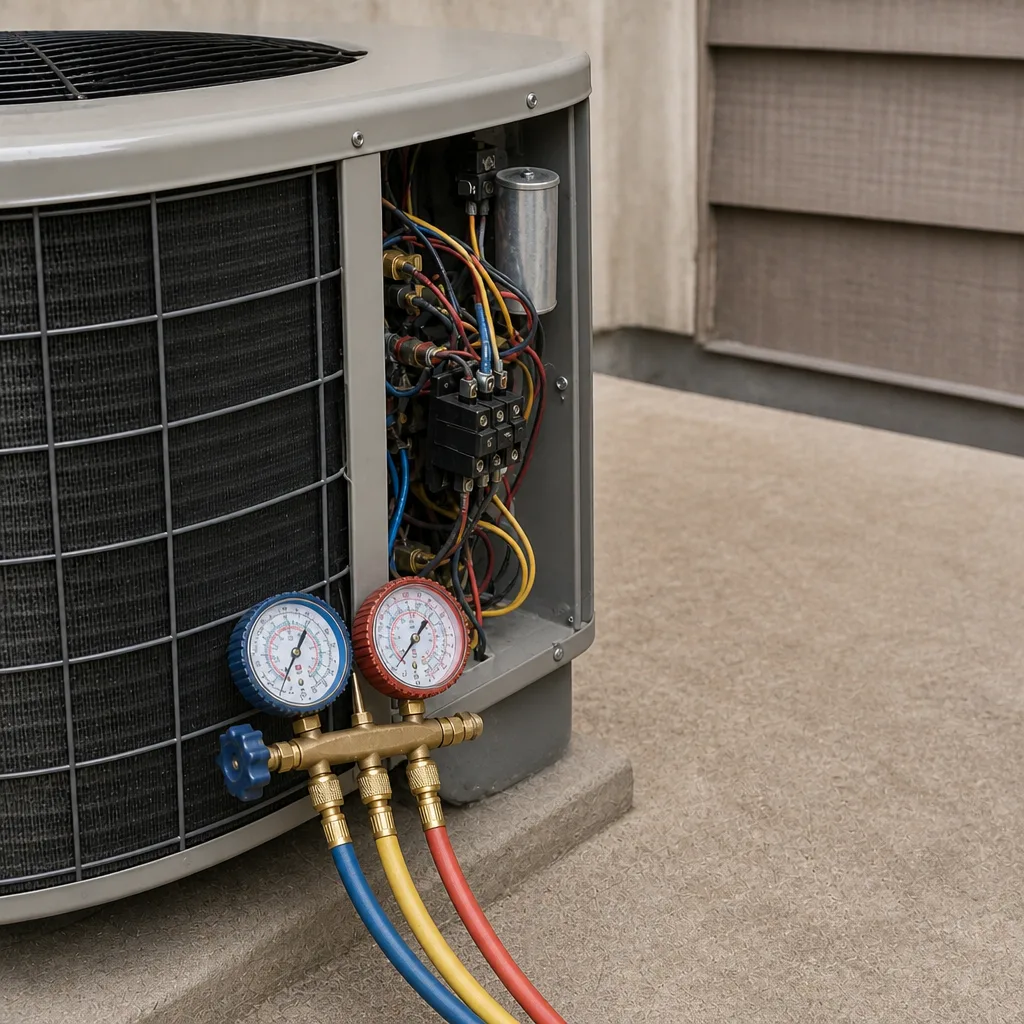 After
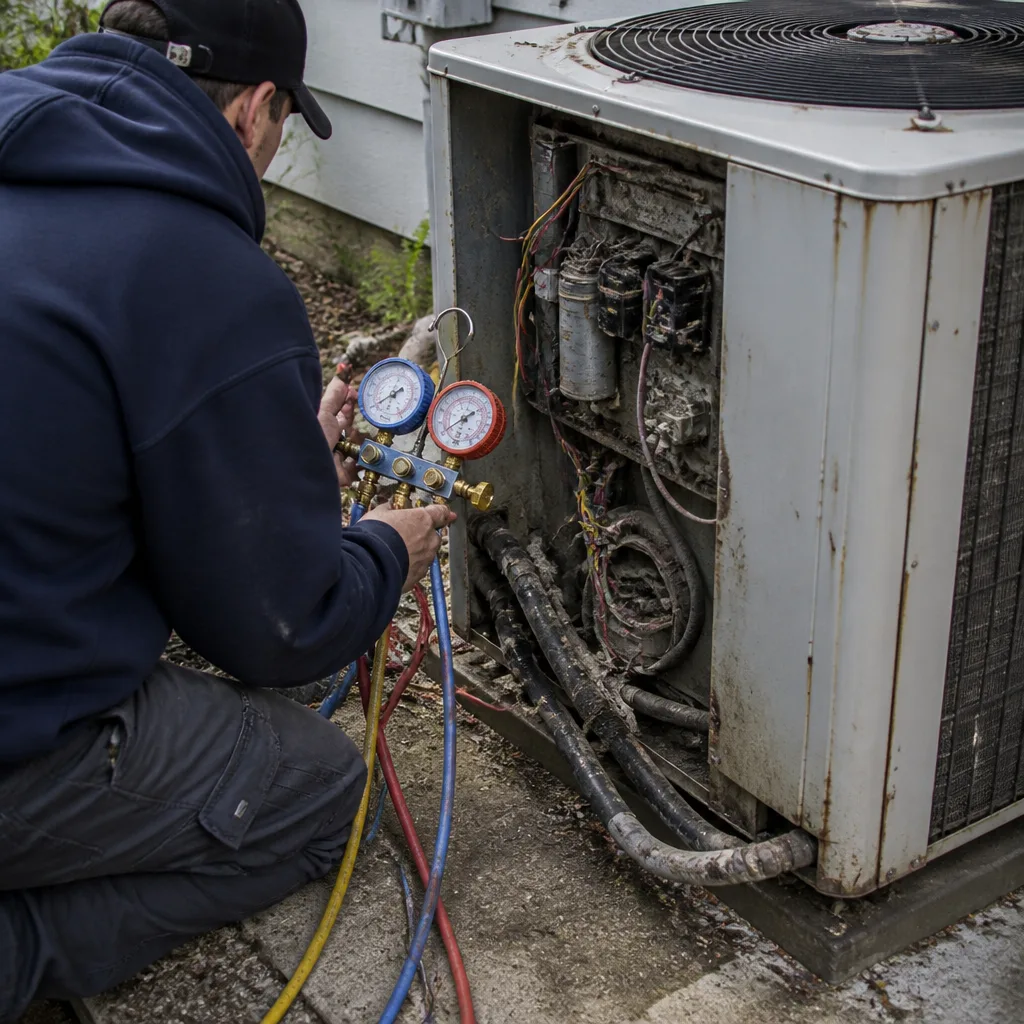 Before
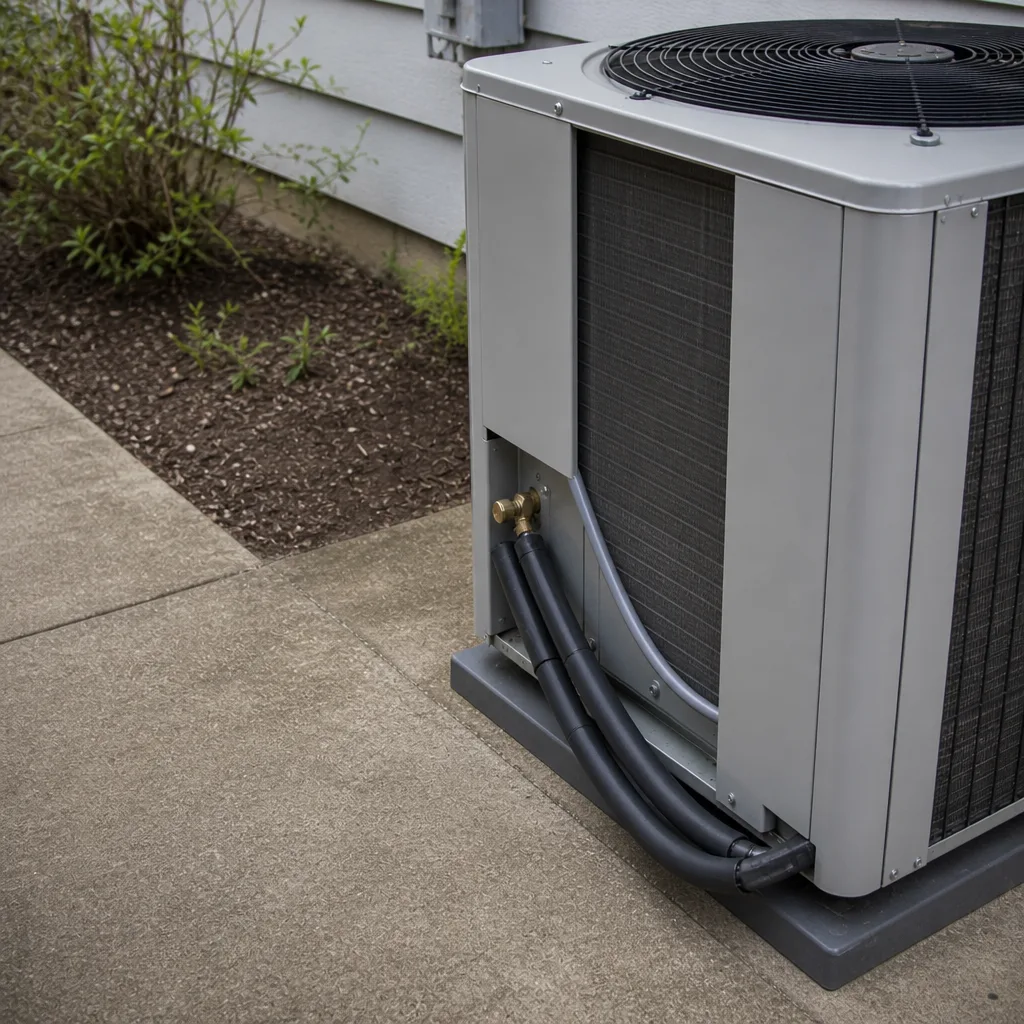 After
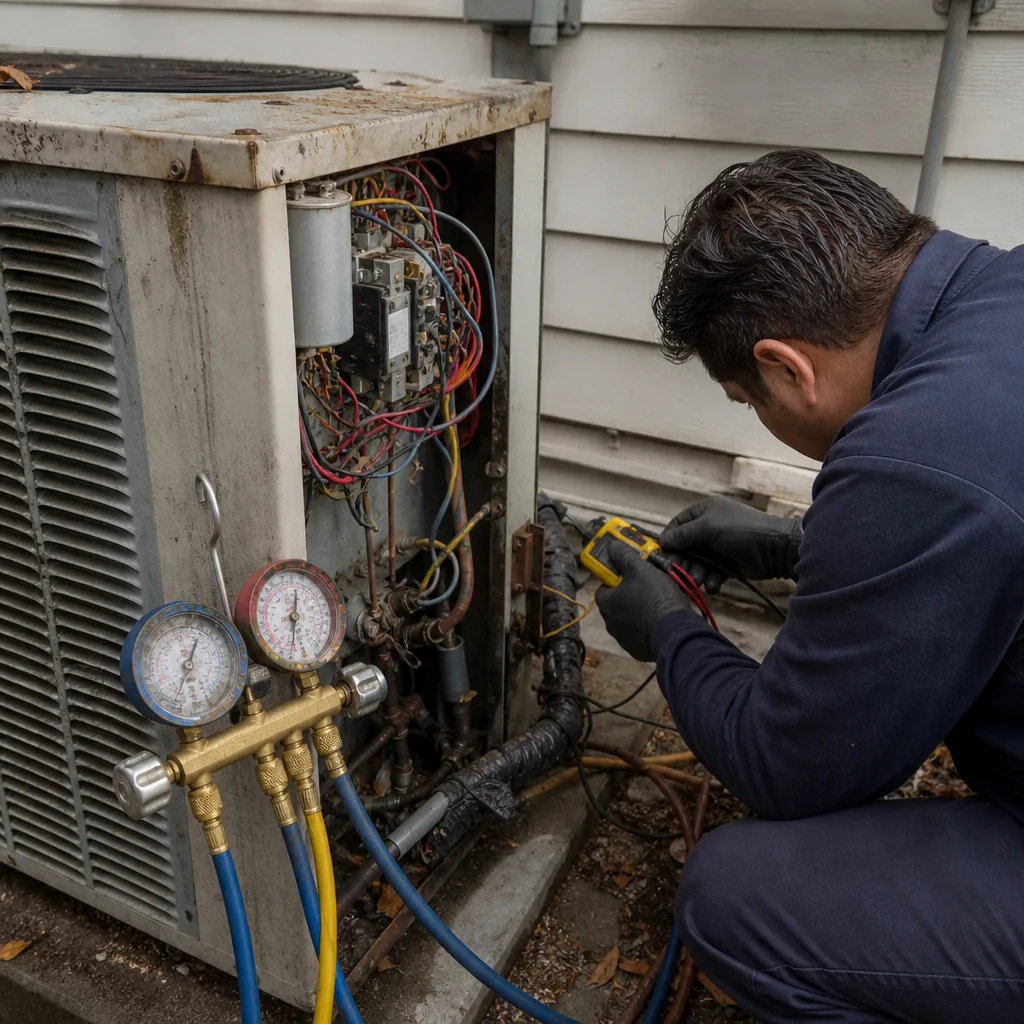 Before
 After
When to Call a Professional
Some HVAC problems are genuinely do-it-yourself territory: replacing a filter, checking a thermostat setting, clearing debris from an outdoor unit. But several scenarios should go straight to a licensed specialist. If your air conditioner is blowing warm air, short cycling, or tripping the breaker, that’s a diagnostic call, not a homeowner project. If your furnace is making banging or popping sounds, not igniting at all, or producing any carbon monoxide concern, stop and call. These are gas-related or electrical issues, and they’re genuinely dangerous to touch without the right training. The same applies if you notice ice forming on refrigerant lines, water pooling around the air handler, or a persistent burning smell when the system kicks on.
AC Repair San Mateo offers free estimates in San Mateo. Call (866) 260-3183. We answer 24/7. Fast dispatch from 7am to 7pm, Sunday through Friday. Our technicians are HVAC specialists by trade, and we work on virtually any brand, including American Standard, Carrier, Trane, and Lennox.
Frequently Asked Questions
Costs vary widely by scope, so ask for a written estimate rather than a phone quote. Furnace replacement, AC installation, and repair work are all priced per job based on equipment, labor, and the specific conditions of your home. A written estimate sets the final price, so insist on one before you commit. Call (866) 260-3183 for a free estimate on your specific project.
Use the California Contractors State License Board (CSLB) public lookup to verify an active C-20 license. Check for the classification, current status, bond and workers’ compensation, and any disciplinary history. Two minutes of verification protects you for the length of the job. Call us at (866) 260-3183 if you want to talk through what the lookup shows for a contractor you’re considering.
A Manual J load calculation measures how much heating and cooling your specific home actually needs, factoring in size, insulation, windows, ducts, and local climate. It determines correct equipment size. Without it, a contractor is guessing, and guessing usually means an oversized or undersized system that underperforms and wears out early. Ask every contractor whether they run one. If the answer is vague, call (866) 260-3183 and we’ll walk you through the process.
The answer depends on the system’s age, repair cost relative to replacement, and the efficiency gap between old and new equipment. As a general guideline, when a repair costs a significant fraction of replacement and the system is nearing the end of its typical lifespan, replacement often makes more financial sense. But the right call requires a proper diagnosis. Call (866) 260-3183 for an honest assessment before any recommendation.
Yes. We’re certified across nine major HVAC brands, including Carrier, Trane, Lennox, Goodman, Rheem, York, Daikin, Bryant, and American Standard. That means we diagnose the system in front of us, not just one manufacturer’s lineup. Brand-agnostic service means our recommendations come from your home and budget, not a dealership agreement. Call (866) 260-3183 to talk through your equipment.
Most HVAC installations and replacements require a permit in San Mateo, and the licensed contractor should pull it in their name. Permits protect you during future home sales and ensure the work is inspected. If a contractor suggests skipping the permit to save money, that’s a red flag. Ask your city’s building department for the specific requirements of your project, and call (866) 260-3183 if you want to talk through how we handle permits.
The Bottom Line
Hiring an HVAC contractor in San Mateo comes down to a few screening steps applied consistently. Verify the C-20 license. Ask about Manual J load calculations. Demand a written scope with model numbers, permits, and warranty terms. Compare bids on what’s included, not just the bottom line. And prioritize specialists who work across multiple brands over generalists who keep HVAC on a long menu of services. Our technicians have up to 9 years of experience, we’re certified across nine major brands, and we only do heating and cooling. One call covers your furnace and your AC, no juggling contractors. If your system needs a diagnosis or you’re planning a replacement, call (866) 260-3183 for a free estimate. We answer 24/7. Fast dispatch from 7am to 7pm, Sunday through Friday.
Written by the team at AC Repair San Mateo.