
Last updated November 16, 2026
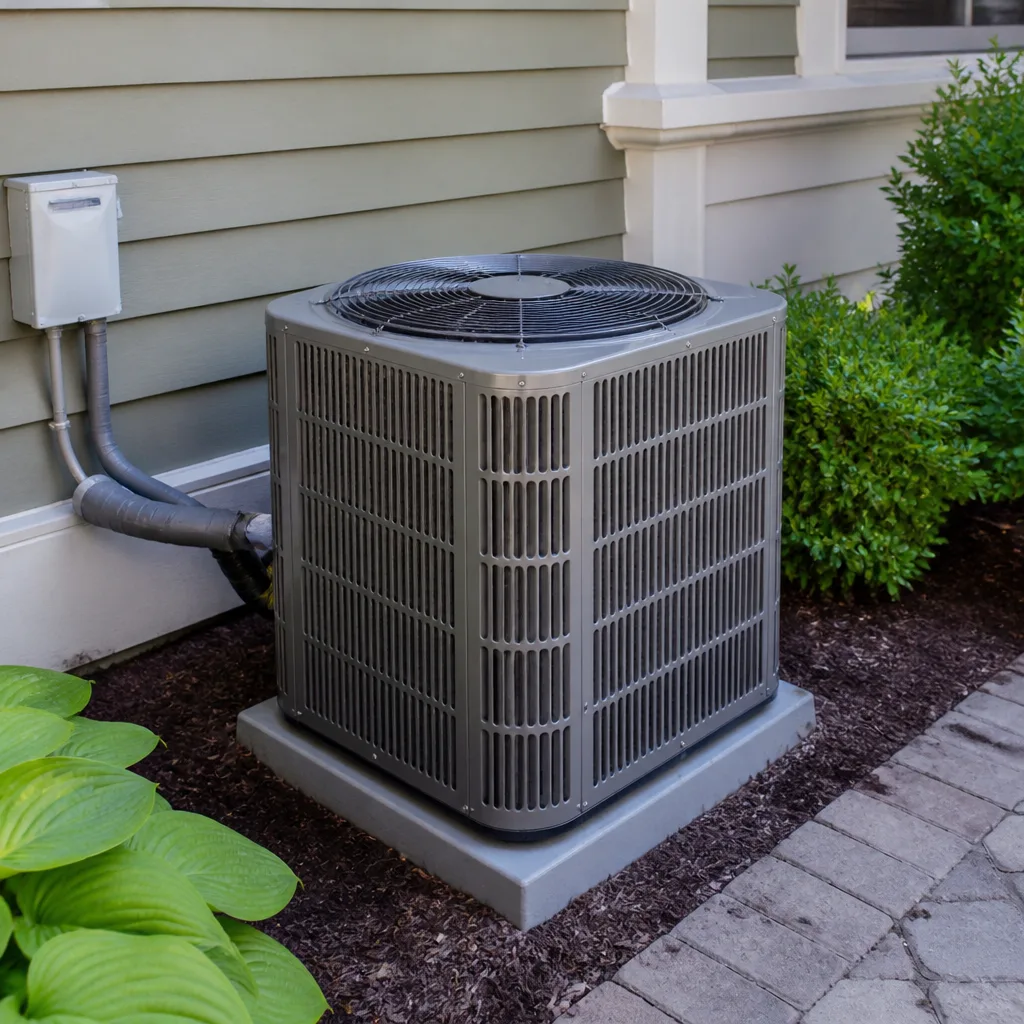 AC repair
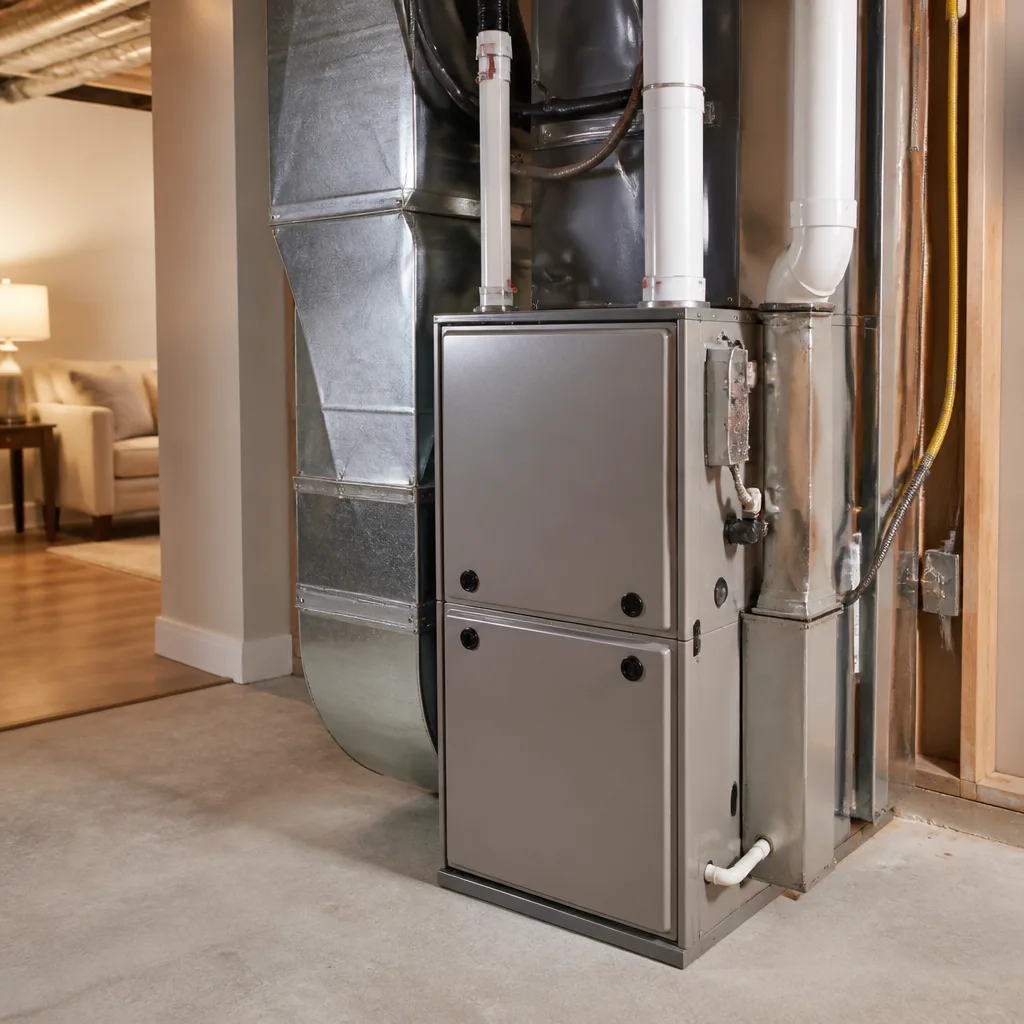 Furnace & heating
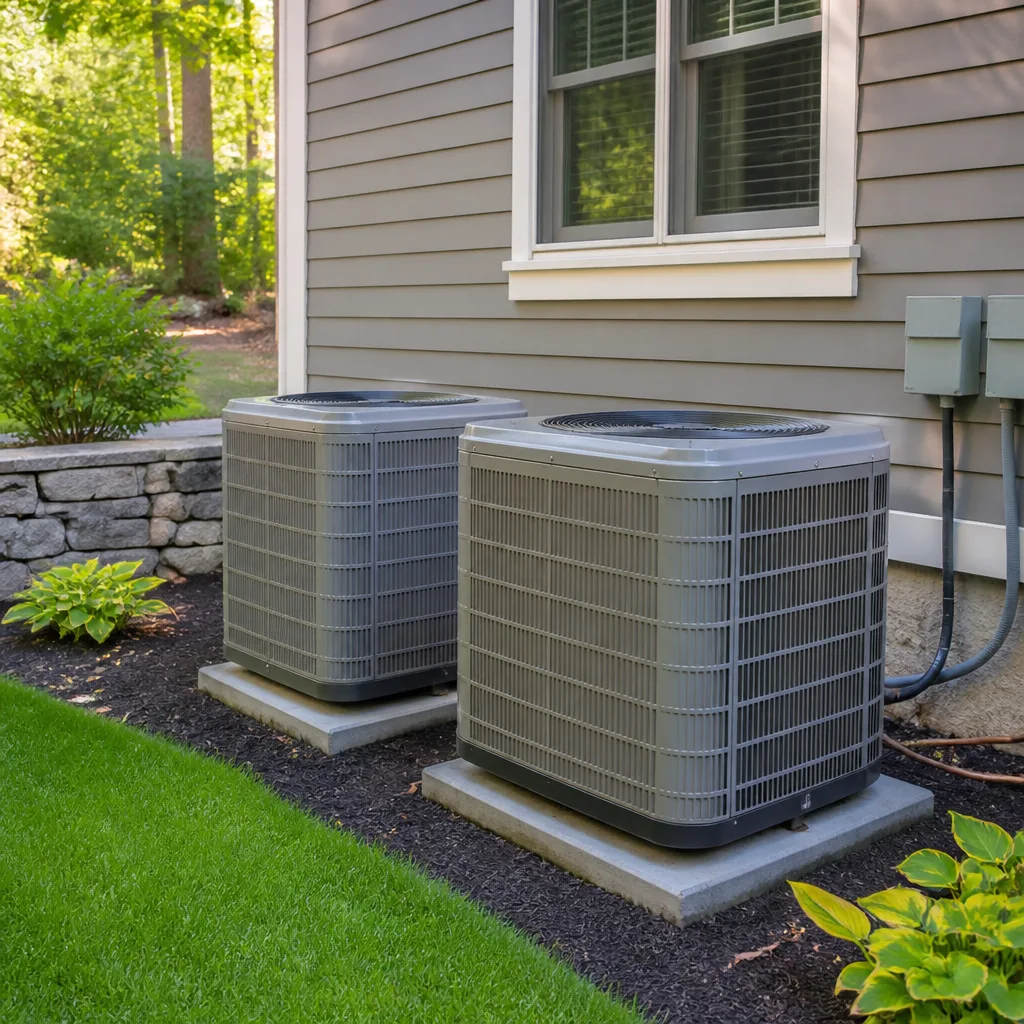 Heat pumps
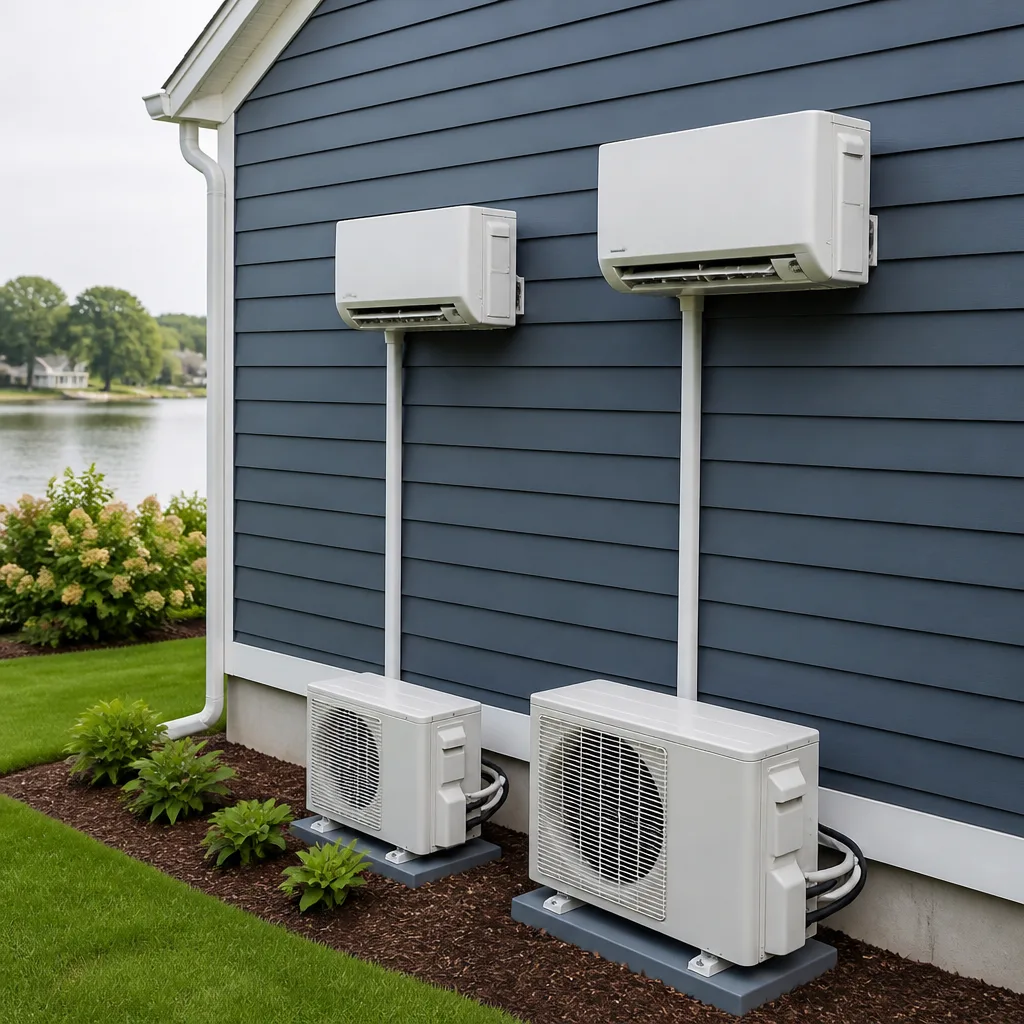 Ductless mini splits
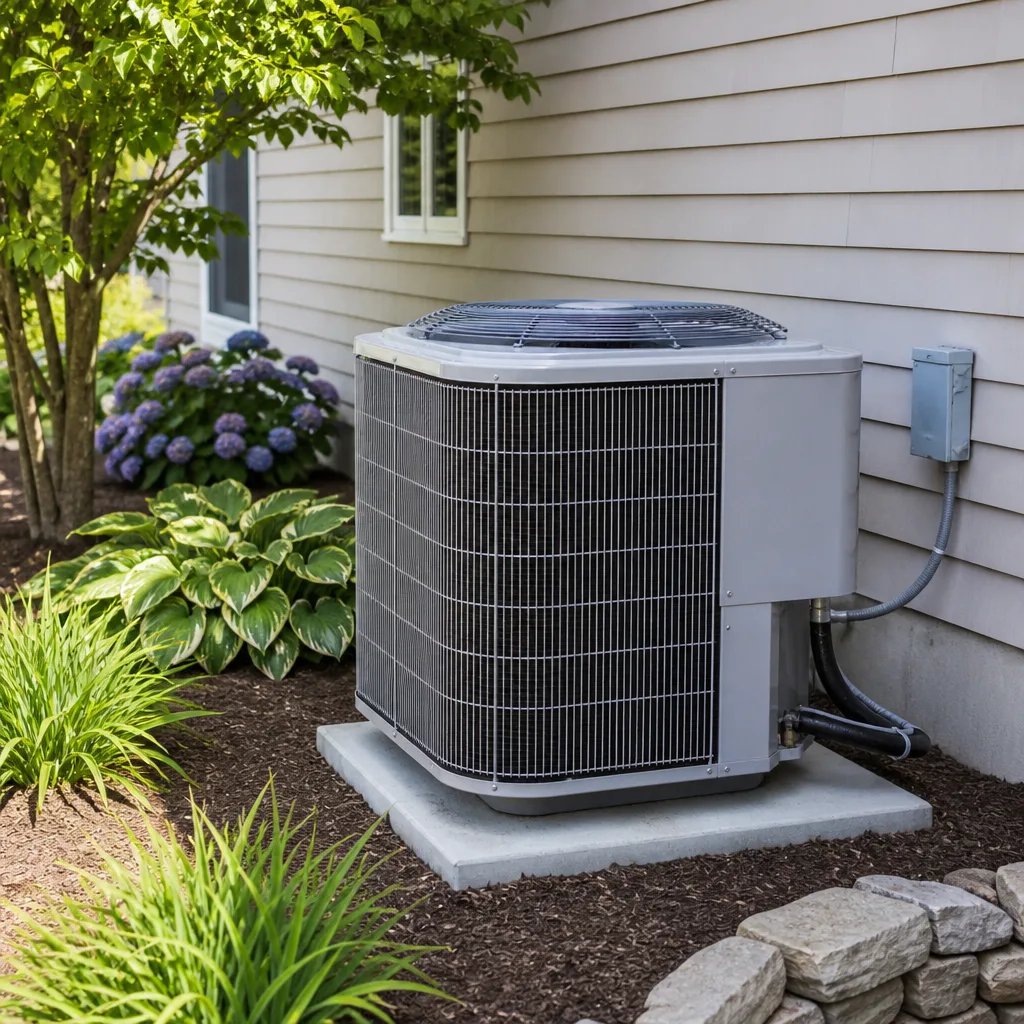 Carrier
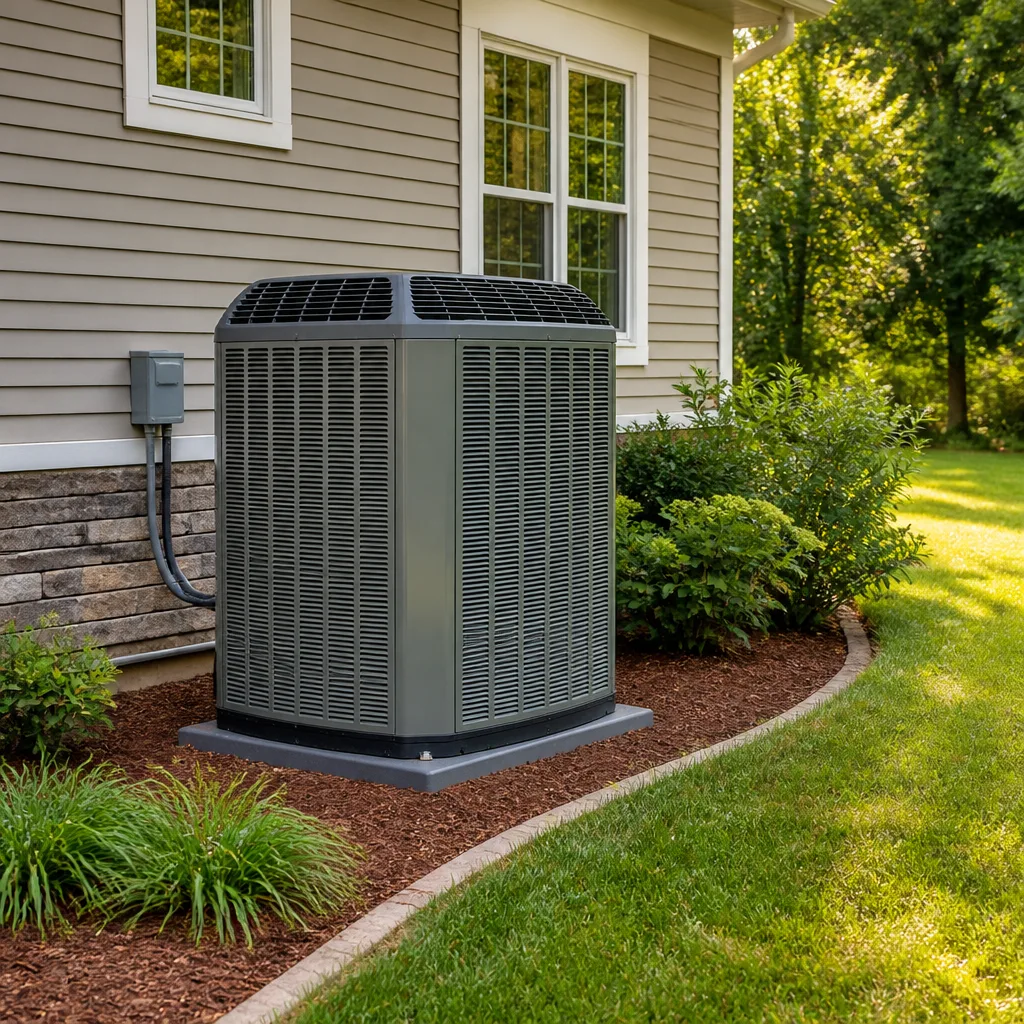 Trane
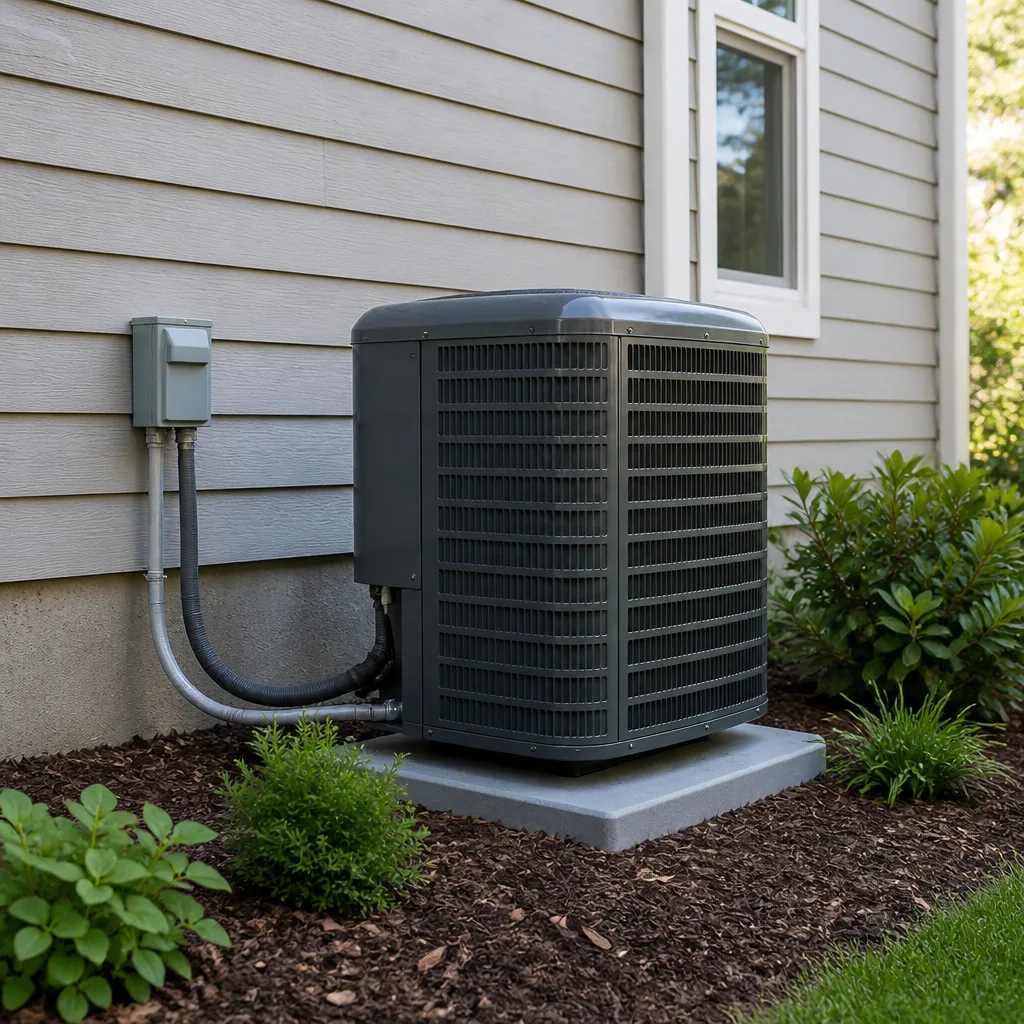 Goodman
Seasonal tune-up and full diagnostic on your Carrier, Trane, or Goodman system - readings shown to you before any repair is proposed
Diagnosis first, numbers second - you approve the repair price before a single part goes in.
Get your free estimateHVAC Permits, Codes & Inspections in San Mateo, CA: What You Need to Know
Here’s the part most homeowners learn too late: in San Mateo County, a permit problem on your heating and cooling equipment usually surfaces at the worst possible moment, when a buyer’s inspector starts asking questions during escrow. The work itself may have run fine for years. Nobody complained. Then a title search, a disclosure form, or a records pull at the building department turns up a furnace or AC install that was never signed off, and suddenly you’re the one explaining it. This guide walks through which HVAC jobs need a permit in San Mateo, what Title 24 compliance actually asks of you, how the inspection timeline really runs, and what to do if you inherit someone else’s unpermitted work.
Quick Answer
In San Mateo, most HVAC work needs a permit: new AC installation, furnace replacement, duct changes, and any alteration to the mechanical system all require one from the city’s building department. A true like-for-like swap of identical equipment may qualify for a simpler path, but that determination belongs to the building department, not your contractor’s word. The permit covers the work and triggers a final inspection, and skipping it can create a disclosure headache when you sell.
Styles & brands we work with
- AC repair
- Furnace & heating
- Heat pumps
- Ductless mini splits
- Carrier
- Trane
- Goodman
Table of Contents
- Which HVAC jobs need a permit in San Mateo?
- Title 24 compliance and your new AC installation
- How long does the permit and inspection process take?
- Why permit requirements vary across San Mateo
- How to verify your contractor actually pulled the permit
- What happens if you buy a home with unpermitted HVAC work
- Common mistakes to avoid
- Frequently asked questions
Which HVAC jobs need a permit in San Mateo?
The short answer: most of them. San Mateo follows the California Mechanical Code with local amendments, and the code treats heating, cooling, and ventilation equipment as regulated mechanical systems. When you change equipment, move it, add capacity, or alter the ductwork or venting tied to it, the building department wants to see it. That’s not red tape for its own sake. The inspection is where an independent reviewer confirms the equipment is installed safely, vented correctly, and matches what the code and the energy standards call for.
Here’s how the jobs usually sort out:
- New AC installation: Permit required. Any new cooling system, whether a split system, a packaged unit, or a heat pump, needs a mechanical permit and typically an electrical one if the circuit changes.
- Furnace replacement: Permit required. A new furnace means new venting, new gas connections, and a combustion air check, all of which the inspector will look at.
- Ductwork changes: Permit required when you add, remove, resize, or reroute ducts. A straight repair to a single section may fall outside that, but ask.
- Refrigerant line or electrical alterations: Permit required. Anything that changes the electrical panel load or the refrigerant circuit is regulated.
- Like-for-like replacement: This is the gray area. A true swap of identical equipment can sometimes avoid a full permit, but the definition of “like-for-like” is narrow and the building department makes the call. Don’t let a contractor tell you it’s exempt without confirming with the city.
- Straight repair: Replacing a capacitor, a blower motor, a contactor, or a thermostat usually doesn’t need a permit. Repairing or replacing a failed component isn’t an alteration of the system.
If you’re unsure which category your job falls into, the safest move is to call the San Mateo building department directly and describe the work. Their answer is the one that counts. We plan every AC installation with the permit requirement already sorted, so there’s no surprise halfway through the job.
Title 24 compliance and your new AC installation
Title 24 is California’s energy code, and it’s the part of a new AC installation that catches homeowners off guard. It isn’t a suggestion. It’s a set of energy performance standards that applies to new cooling equipment, duct changes, and the building envelope around them, and the inspector will ask for documentation that your install meets it.
What that looks like in practice:
- Equipment efficiency ratings that meet the current code minimum for your climate zone. San Mateo sits in a mild zone, but the code minimum still applies.
- Duct sealing and insulation requirements when ducts are altered or replaced, documented in the permit paperwork.
- A compliance form (the Title 24 certificate of compliance) that your contractor or designer prepares and submits with the permit.
- Field verification for certain measures, which can mean a third-party rater confirming the work matches the paperwork.
This is where a specialist helps. A general contractor who dabbles in HVAC may not know which Title 24 forms apply to a duct change versus a straight equipment swap, and that gap slows the inspection. When we install a Carrier, Trane, or Lennox system in San Mateo, the compliance paperwork is part of the job, not an afterthought. A brand-agnostic approach helps here too, because equipment gets matched to what the home and the code require rather than to whatever a dealership happens to push.
One practical note: Title 24 compliance doesn’t end at the permit. Keep the compliance documents with your home records. When you sell, a buyer’s inspector may ask for them, and having them on hand removes a whole category of questions from the conversation.
How long does the permit and inspection process take?
Realistic timelines, not brochure ones. In San Mateo’s building department queue, a residential mechanical permit for a straightforward furnace or AC replacement typically runs a few business days to a couple of weeks from application to issuance, depending on the current workload and whether the submittal is complete on the first pass. The inspection itself usually gets scheduled within a few business days of the request, though that stretches during peak season when everyone is replacing equipment before summer.
Here’s how a typical job moves, step by step:
- Scoping and compliance paperwork. Your contractor confirms the equipment, prepares the Title 24 documentation, and assembles the permit application. A clean submittal is the single biggest factor in a fast turnaround.
- Application and issuance. The building department reviews and issues the permit. Incomplete paperwork sends the application back to the queue, which is where most delays come from.
- Scheduling the install. Equipment gets ordered and the install date is set. For AC installation and furnace replacement, this is load-calculated and scheduled work, not same-day work.
- The install. The crew completes the mechanical, electrical, and venting work, and the permit card gets signed off as the job progresses.
- Inspection request. Once the work is done, the contractor calls for the inspection. This is where the paperwork and the installed equipment need to match.
- Final sign-off. The inspector confirms the work, signs the card, and the permit closes. That sign-off is the document that protects you at resale.
One thing worth knowing: some jobs need a rough-in inspection before the equipment is closed up, then a final inspection after. Your contractor should tell you which applies to your job. If they can’t answer that question, that’s a signal.
Why permit requirements vary across San Mateo
San Mateo isn’t one uniform jurisdiction. A single-family house in Baywood or Hayward Park may have a different path than a condo in the downtown core, and an older home near Central Park that still runs on a legacy duct system can raise questions a newer build won’t. Building department staff look at the age of the structure, the existing mechanical systems, and whether the work touches anything else regulated.
What that means for you:
- Age of the home matters. A mid-century furnace with original venting may need additional inspection attention when it’s replaced, because the venting and combustion air pathway often has to be brought up to code.
- Condos and townhomes may need HOA coordination on top of the city permit, especially for outdoor unit placement and noise. That’s a separate approval from the building department.
- Duct systems in older San Mateo homes vary widely, from attic runs to crawlspace layouts. A duct alteration permit reflects what the inspector will actually be looking at.
- Additions and remodels can pull HVAC work into a larger permit. If you’re doing a kitchen remodel and a furnace swap in the same year, talk to the building department about whether they can be combined.
The broader point: if you’re in San Mateo, the answer to “do I need a permit?” depends on the specific house. That’s why we confirm the requirement before the job starts rather than after.
How to verify your contractor actually pulled the permit
Promises aren’t permits. A contractor telling you they’ll “take care of the permit” means nothing until the permit exists in the building department’s system with your address on it. The verification is something you can do yourself, and you should.
- Ask for the permit number. A real permit has a number, and your contractor should be able to give it to you before the work starts.
- Check the building department’s online portal. San Mateo County and the city publish permit records. Search by address and confirm the permit is listed, active, and describes the work you’re having done.
- Confirm the contractor is listed on the permit. The permit should show the licensed contractor who is doing the work. If the name doesn’t match who showed up, ask why.
- Watch the inspection get scheduled. A permit that never gets an inspection isn’t finished. Make sure your contractor calls for the final inspection and gives you a copy of the signed card when it’s done.
- Keep the paperwork. The permit, the compliance documents, and the inspection sign-off all belong in your home records. They’re your proof at resale.
Why do some contractors avoid permits? Mostly because it’s faster and cheaper in the short term. The cost lands on you later, at disclosure, at inspection, or when a buyer’s lender asks questions. We pull permits as standard practice, and we plan the furnace repair side of the business the same way, because a repair that touches regulated components needs the same care as an install.
What happens if you buy a home with unpermitted HVAC work
This is the scenario that motivates most of the calls we get about permits. A buyer’s inspector finds a furnace or AC system that was replaced without a permit, and the disclosure conversation begins. The good news: unpermitted HVAC work is often fixable through retroactive permitting, and it’s common enough that the building department has a path for it.
Here’s how it usually goes:
- You discover it. Usually through a title search, a disclosure form, or an inspector’s note during a sale. Sometimes through a homeowner pulling records after a repair.
- The building department reviews. You or your contractor submit a retroactive permit application describing the existing work. The department may ask for documentation, and in some cases a field inspection to confirm the equipment is safe and code-compliant.
- Inspection and correction. If the work passes, the permit closes. If it doesn’t, corrections are required, which might mean bringing venting, electrical, or ductwork up to code.
- Documentation. Once signed off, you have a permit record that clears the disclosure issue and lets the sale proceed.
If you’re in escrow and this comes up, get a licensed HVAC contractor involved early. The right move is to have the system evaluated and the retroactive permit process scoped before you agree to anything, so you know what you’re taking on. Buying a home in San Mateo with unpermitted HVAC isn’t a deal-breaker, but it’s a conversation you want to have with real information in front of you.
See the difference
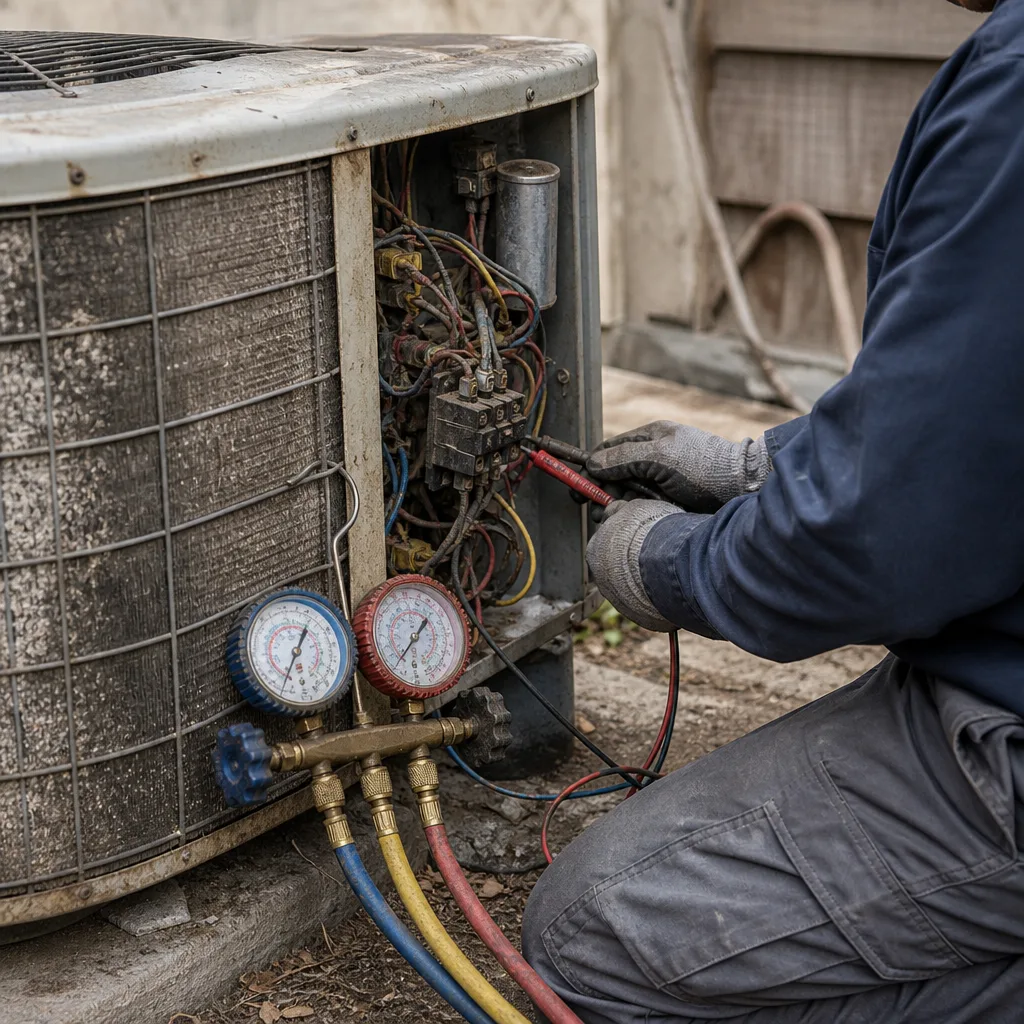 Before
 After
 Before
 After
 Before
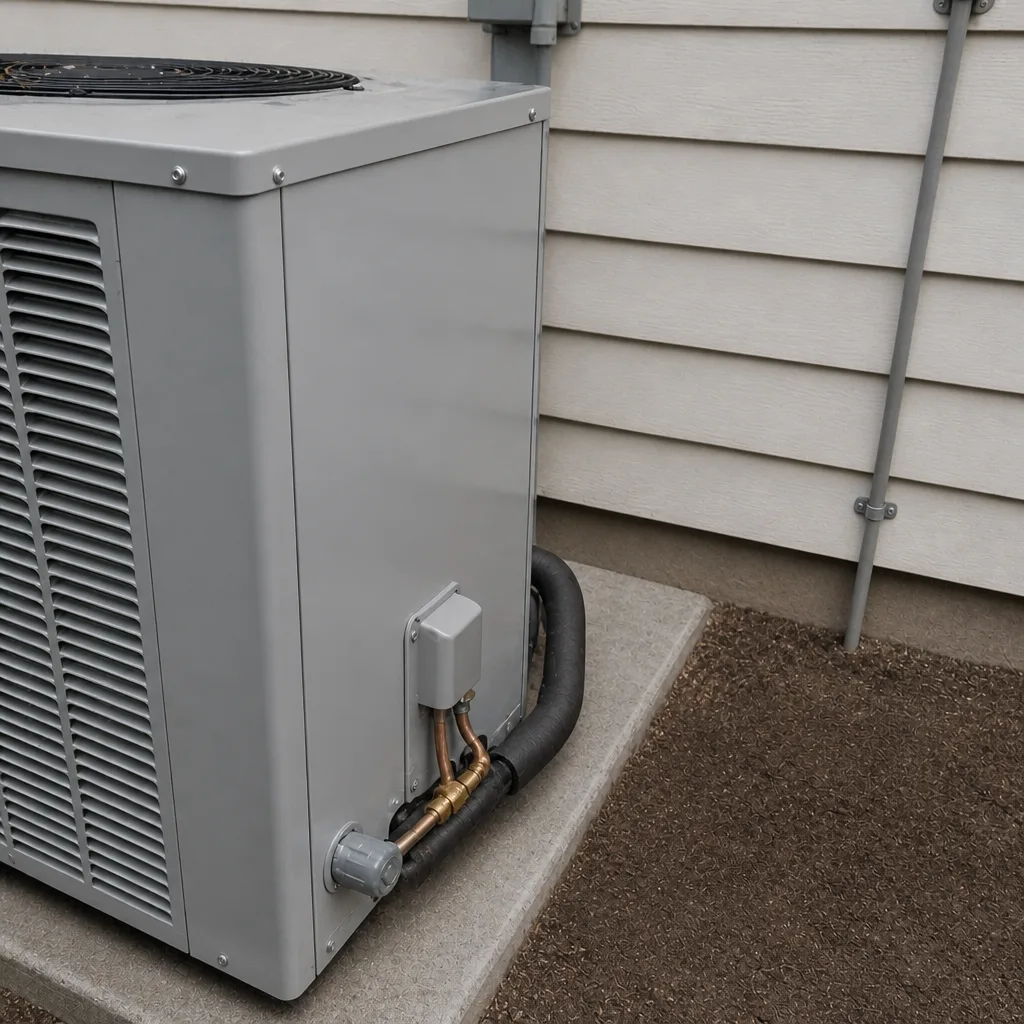 After
Common Mistakes to Avoid
- Taking “we don’t need a permit for that” at face value. The like-for-like exemption is narrow, and the building department, not your contractor, decides whether it applies. Confirm before the work starts.
- Letting a contractor start before the permit is issued. Work done before a permit exists can complicate the inspection and, in some cases, require rework or a retroactive process. Get the permit number first.
- Skipping the Title 24 documentation. A new AC install without the compliance paperwork can stall the inspection and create a records gap you’ll have to explain later. The documents are part of the job.
- Not keeping the inspection sign-off. The signed permit card is your proof. Store it with your home records, because it’s the first thing a buyer’s inspector will ask about.
- Ignoring the age of the home. An older San Mateo house with legacy ducting and venting often needs more inspection attention than a newer build. Plan for it.
- Combining jobs without checking. If you’re having a furnace replaced during a larger remodel, ask the building department whether the HVAC work can go under the main permit. It can save time and confusion.
- Choosing a contractor who avoids permits entirely. It usually means they’re optimizing for speed and cost at your expense. The disclosure risk lands on you, not them.
When to Call a Professional
Some permit questions you can answer with a phone call to the building department. Others need a specialist on site. Call us when you’re facing a furnace or AC replacement and want the permit and Title 24 paperwork handled correctly from the start, when an inspector has flagged existing equipment, when you’re in escrow and need a system evaluated for unpermitted work, or when you’re not sure whether a repair crosses into permit territory. A failed system in the middle of a heat wave or a cold snap is a health concern, not just an inconvenience, so speed matters too. AC Repair San Mateo offers free estimates in San Mateo, and our technicians have up to 9 years of experience across nine major brands. Call (866) 260-3183. We answer 24/7. Fast dispatch from 7am to 7pm, Sunday through Friday.
Frequently Asked Questions
Yes, in most cases. A furnace replacement involves new venting, gas connections, and combustion air considerations, all of which fall under the California Mechanical Code and require a permit in San Mateo. A true like-for-like swap may qualify for a simpler path, but confirm with the building department before work starts. Call (866) 260-3183 for an exact quote, and estimates are free.
Title 24 is California’s energy code, and it sets minimum efficiency and duct performance standards that apply to new AC installation and duct changes. Your contractor prepares compliance documentation as part of the permit, and the inspector checks that the installed work matches it. Skipping the paperwork can stall your final sign-off. If you’re planning a new system, call (866) 260-3183 and we’ll walk through what your job needs.
Typically a few business days to a couple of weeks from a complete application to issuance, depending on the department’s workload, plus a few more business days to schedule the inspection. Incomplete paperwork is the main cause of delay. Call (866) 260-3183 for a free estimate and a clear plan for your project’s timeline.
You can usually resolve it through retroactive permitting, which means submitting an application for the existing work and having it inspected. If the system passes, the permit closes and the disclosure issue is cleared. If corrections are needed, you’ll know what they are before you commit. Call (866) 260-3183 to have the system evaluated and the path scoped.
Ask for the permit number before work starts, then check it in the city or county’s online permit portal by address. Confirm the contractor named on the permit matches who’s doing the work, and make sure the final inspection is scheduled and signed off. A permit with no inspection isn’t finished. Call (866) 260-3183 if you want a second set of eyes on the paperwork.
Straight repairs generally don’t require a permit. Replacing a failed component like a blower motor, capacitor, or thermostat is a repair, not an alteration of the system. Once you’re changing equipment, ductwork, or the electrical circuit, the permit requirement usually applies. Call (866) 260-3183 and we’ll tell you which category your job falls into, and estimates are free.
The Bottom Line
Permits for HVAC work in San Mateo aren’t a formality. They’re the record that protects you at resale, the mechanism that gets your install inspected, and the reason Title 24 compliance matters for a new AC system. Most heating and cooling jobs need one, the like-for-like exemption is narrow, and the building department, not your contractor, makes that call. Verify the permit number yourself, keep the inspection sign-off, and if you inherit unpermitted work, know that retroactive permitting is a real path. Plan for the paperwork before the install, not after, and the whole process runs smoother.
If you’re ready to move on a furnace replacement or an AC installation and want the permit and compliance work handled correctly, call AC Repair San Mateo at (866) 260-3183 for a free estimate. We answer 24/7. Fast dispatch from 7am to 7pm, Sunday through Friday. We work on the brand you already have, from American Standard to Lennox, and one call covers both your heating and cooling needs.
Written by the team at AC Repair San Mateo.