
Last updated November 16, 2026
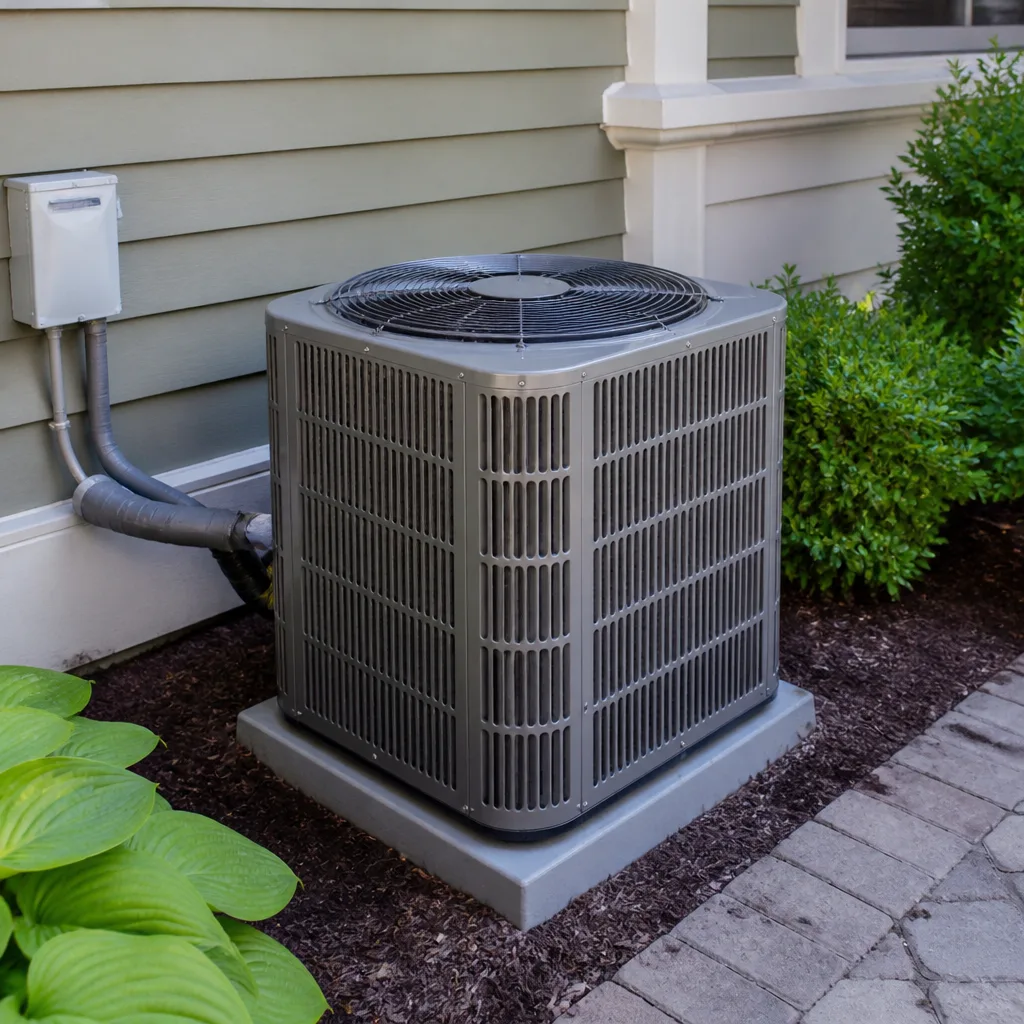 AC repair
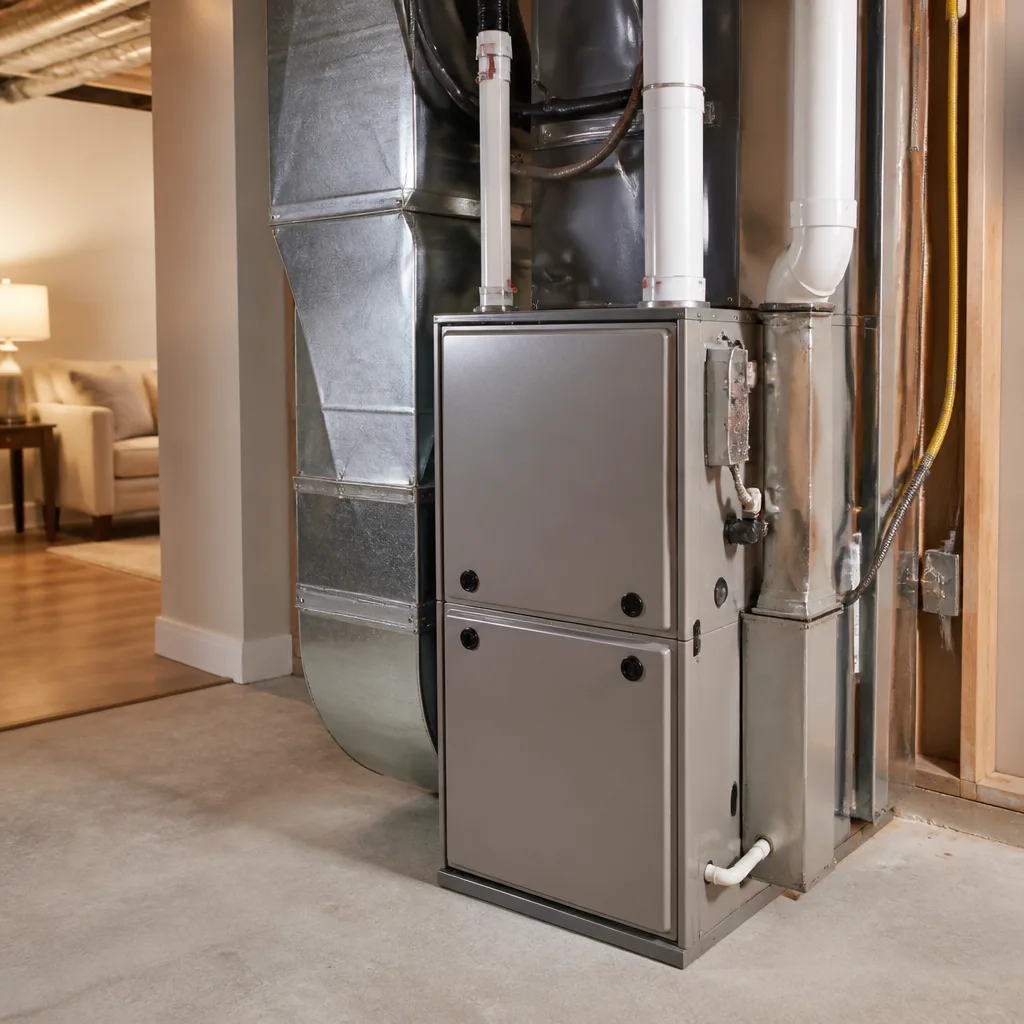 Furnace & heating
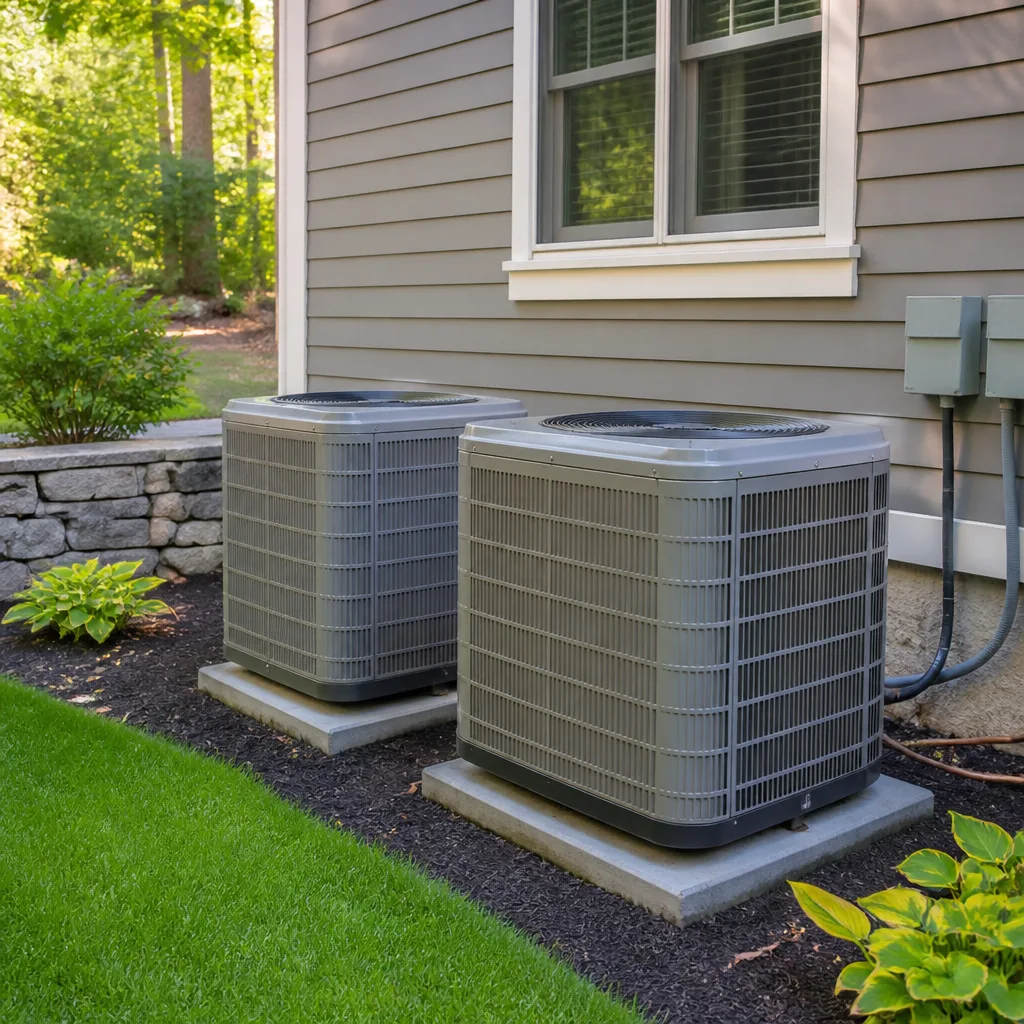 Heat pumps
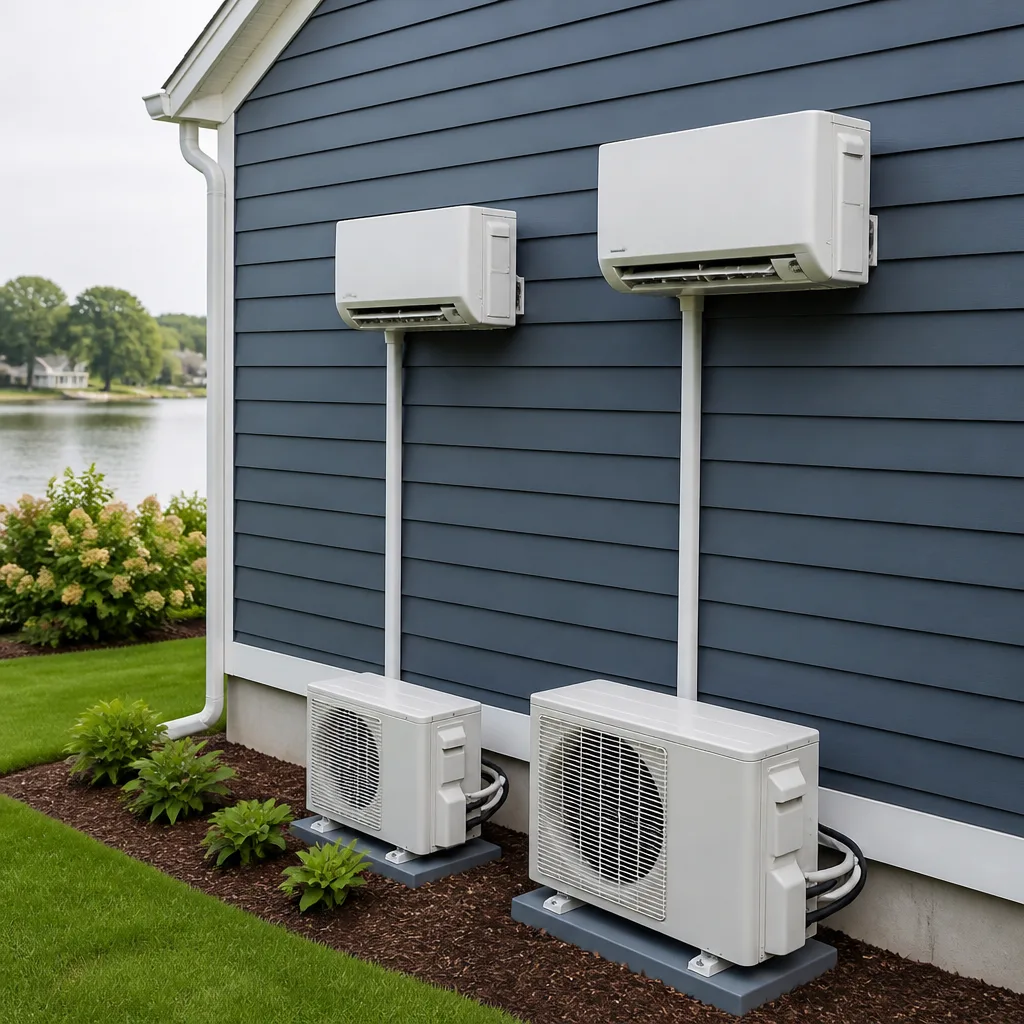 Ductless mini splits
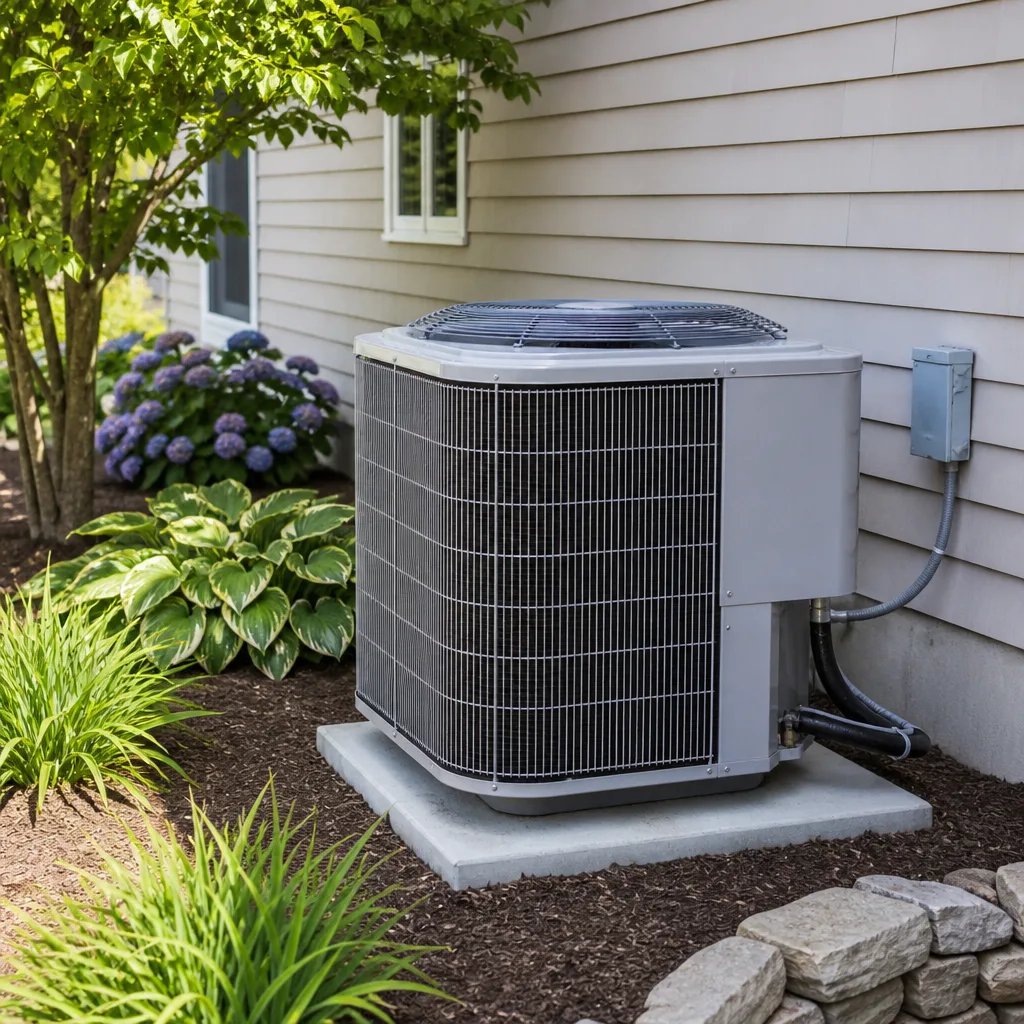 Carrier
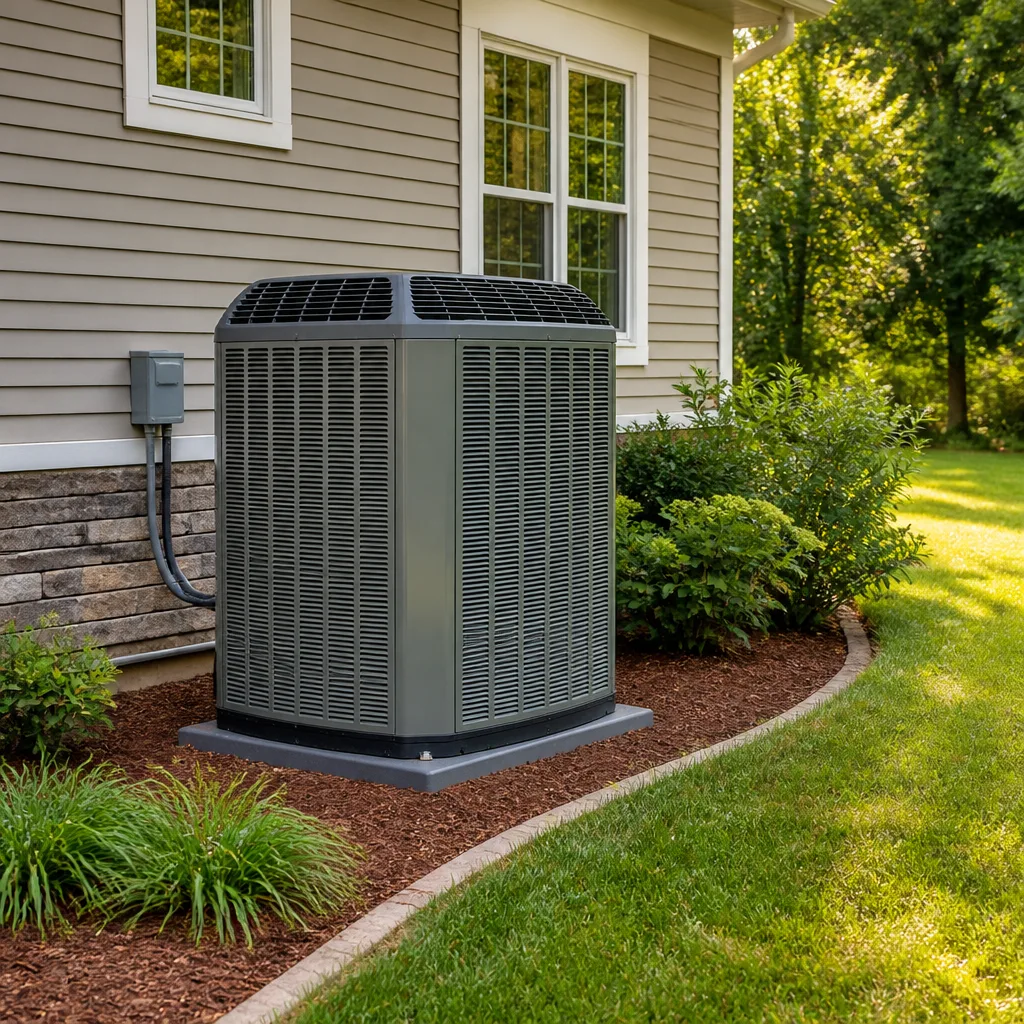 Trane
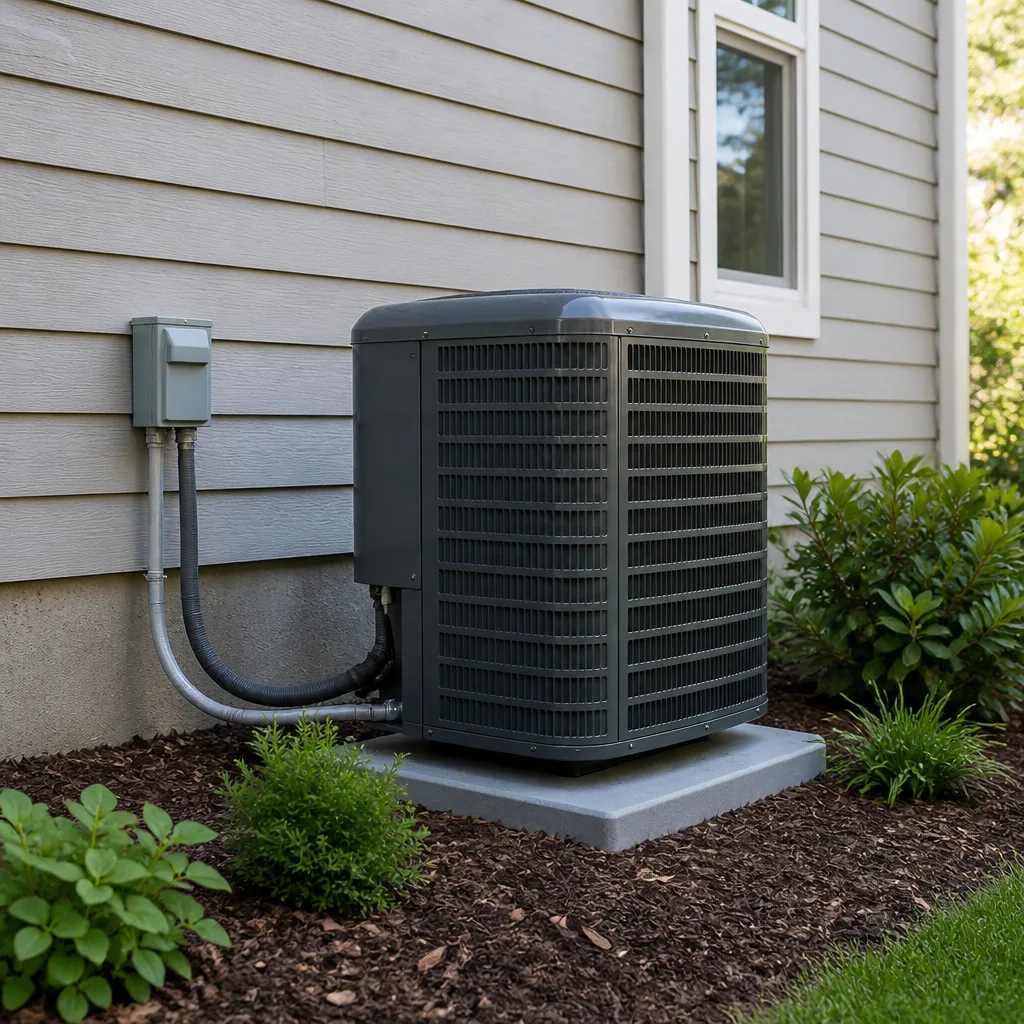 Goodman
Seasonal tune-up and full diagnostic on your Carrier, Trane, or Goodman system - readings shown to you before any repair is proposed
Diagnosis first, numbers second - you approve the repair price before a single part goes in.
Get your free estimateChoosing the Right HVAC Brand: A Buyer’s Guide for San Mateo
The brand that ranks first in national satisfaction surveys can still leave you waiting a week for a part. In San Mateo, that gap between reputation and reality is the whole game. A premium label with thin local parts distribution turns a one-day fix into seven nights of space heaters. And a mid-tier brand with deep Peninsula supply can have you back to normal before dinner. Brand names matter, but not the way most buying guides pretend. This guide is about matching equipment to the climate you actually live in, checking the support infrastructure behind the logo, and asking your contractor the questions that separate an honest recommendation from a sales script. You’ll learn which factors deserve your attention and which are mostly marketing.
Quick Answer
The “best” HVAC brand in San Mateo depends on three things: local parts availability, a product line built for mild coastal-side summers and heat-pump winters, and how much real experience your contractor has with that brand. Carrier, Bryant, Daikin and American Standard all have solid distribution and service networks across San Mateo County. The right pick is the one your technician can diagnose, repair and supply parts for quickly, matched to your home’s load and your budget. There’s no universal winner, and anyone who tells you otherwise is selling a dealership agreement, not a system.
Styles & brands we work with
- AC repair
- Furnace & heating
- Heat pumps
- Ductless mini splits
- Carrier
- Trane
- Goodman
Table of Contents
- Why Brand Choice Is a Support Decision, Not a Popularity Contest
- Matching Equipment to San Mateo’s Climate
- Parts Distribution on the Peninsula: A Factor Nobody Talks About
- The Heat Pump Landscape in San Mateo
- Why Your Contractor’s Experience Beats a Theoretically Better Brand
- Warranty Reality Check
- Questions to Ask Before You Commit
- Common Mistakes to Avoid
Why Brand Choice Is a Support Decision, Not a Popularity Contest
When homeowners in San Mateo start shopping for a new system, the first instinct is to compare brands on a spec sheet. SEER2 numbers, decibel ratings, warranty years. Those figures are real, and they matter at the margins. But they tell you almost nothing about what happens at 4pm on a hot September afternoon when your condenser stops and you need a technician with the right part in reach. That’s the moment brand choice actually shows up.
Here’s the part that rarely makes it into brand comparison articles: an HVAC system is only as good as the network behind it. Every manufacturer runs a supply chain, a distributor footprint and an authorized service network. Those networks are not equally dense in every market. A brand that’s everywhere in the Midwest may have a single regional warehouse serving the entire Bay Area. That’s not a knock on the equipment. It’s a fact about logistics, and it decides how long your home sits uncomfortable.
A few practical things follow from this:
- The brand on the box is only half the system. The other half is the contractor’s ability to source parts and get answers from the manufacturer’s technical support.
- Popularity and serviceability aren’t the same thing. A brand can be popular nationally and still be a slow repair in San Mateo County.
- Contractor familiarity is a real asset. A technician who’s worked on a specific brand hundreds of times diagnoses faster and orders the right part on the first try.
That’s why we work on nine major brands: Carrier, Trane, Lennox, Goodman, Rheem, York, Daikin, Bryant and American Standard. We’re not tied to any one of them, so the recommendation you get is about your home and your budget, not a dealership quota.
Matching Equipment to San Mateo’s Climate
San Mateo sits in a mild climate with modest heating loads and cooling that’s mostly about a handful of warm stretches each year. That profile changes which equipment features actually earn their price. It also means some of the numbers that dominate national brand comparisons barely apply to your house.
Take SEER ratings. Higher SEER means more efficiency under test conditions, and there’s nothing wrong with buying efficiency. But in a climate where your AC runs a fraction of the hours it would in Fresno or Phoenix, the return on a very high SEER system is smaller than the marketing suggests. What matters more here is how the system behaves during the long stretches when it’s not working hard at all: the shoulder seasons, the mild days, the low-demand hours.
That’s where two features start to matter more than the headline efficiency number:
- Variable-speed compressors. Instead of cycling on and off at full blast, a variable-speed system modulates output to match the load. In a mild climate, that means longer run times at low output, steadier temperatures, quieter operation and better humidity control than a single-stage unit that slams on and off.
- Humidity-sensing thermostats and controls. San Mateo’s mild, moisture-carrying air means comfort is often about humidity, not just temperature. A control that measures and manages humidity can make a modest system feel better than a high-end system running a basic thermostat.
Heating side: winter lows here rarely push a furnace to the edge of its capacity, so oversized equipment is a common problem. An oversized furnace short-cycles, which is noisy, uneven and hard on components. The right size comes from a proper load calculation, not from copying the sticker on the old unit. When we size a system for a San Mateo home, the load calculation drives the brand and model choice, never the other way around.
Parts Distribution on the Peninsula: A Factor Nobody Talks About
Ask a homeowner which brand has the best parts distribution on the Peninsula and you’ll usually get a blank look. It’s an odd question. It’s also one of the most useful things you can learn before you buy. Lead times vary widely by brand in this market, and a brand with premium equipment can still leave you waiting two to three times longer for a part than a brand with a dense local distributor network.
How do you check something like this without being in the trade? You can’t, not directly. But you can ask your contractor, and you can read their answer. Here’s what a good answer sounds like:
- “For this brand, the nearest distributor is [location], and a common part is usually a day away.” Specific geography beats vague reassurance every time.
- “For this model, the compressor ships from the regional warehouse.” That’s the kind of detail that tells you the contractor actually knows the supply chain, not just the catalog.
- “If this brand is slow, here’s the model I’d steer you toward instead for a similar price.” A contractor with a brand-agnostic model can make that trade-off honestly. A single-brand dealership can’t.
Here’s the flip side: some brands have excellent local support because they’re widely serviced in the area. Carrier, Bryant and American Standard all have established service infrastructure across San Mateo County, which means parts access and technician familiarity are generally strong. Daikin has grown its residential footprint substantially and continues to build out its local network. None of that makes the other brands bad. It makes them different, and the differences show up when something breaks.
One more point in this section. The service side matters here as much as the parts side. When your AC goes out in a warm stretch, you don’t just need a part; you need someone who can diagnose the system quickly and get you scheduled. If you need AC Repair San Mateo, same-day service and a free estimate are the standard, not the exception.
The Heat Pump Landscape in San Mateo
Heat pumps have moved from niche to mainstream in California, and they tend to be the most interesting part of any brand comparison for San Mateo homeowners. The reason is simple: a heat pump does the whole job here. Mild winters mean the heating side never gets stressed, and moderate summers mean the cooling side runs well within standard capacity. A modern heat pump can handle both ends of San Mateo comfort without breaking a sweat.
But heat pump product lines aren’t all built for the same conditions. Some are engineered for cold climates, with compressors and controls designed to pull heat out of 10-degree air. Others are tuned for mild-climate operation, running at lower compression ratios and prioritizing efficiency at the temperatures you actually see. For San Mateo, the mild-climate line is usually the better match. A cold-climate unit isn’t harmful, but it’s paying for capability you’ll never use, and it may come with trade-offs in noise or modulation behavior.
Which brands offer strong mild-climate lines? A few stand out:
- Daikin. A deep heat pump heritage and a wide range of inverter-driven product lines. Its mild-climate models are worth a look for San Mateo homes considering a full system replacement.
- Carrier and Bryant. Both offer variable-speed heat pump lines with strong controls and service networks. Bryant shares engineering with Carrier and tends to come in at a slightly different price point, which can matter when budget is a factor.
- American Standard. Solid heat pump options with a reputation for durability, especially in the mid-tier product lines.
The brand matters here, but the line matters more. Two heat pumps from the same manufacturer can perform very differently depending on whether they’re built for cold climates or mild ones. Ask specifically which line a recommendation comes from, and why it fits San Mateo. If you install a heat pump as part of a broader system upgrade, coordinating it with the right air handler and controls is part of the job. That’s the kind of pairing we handle when we do AC installation alongside a heating upgrade.
Why Your Contractor’s Experience Beats a Theoretically Better Brand
Here’s a scenario that plays out often: a homeowner does the research, picks a brand that scores well in reviews, and hires a general contractor who installs it twice a year. The system goes in. Six months later it underperforms. The brand wasn’t the problem. The install was. Modern HVAC systems are sensitive to details like charge, airflow, line sizing and control configuration. A technician who’s installed hundreds of a given model knows those details instinctively. One who’s installed a couple learns them on your equipment.
That’s the gap between theory and practice. On paper, one brand may have a slightly higher efficiency rating, a slightly better warranty, a slightly quieter outdoor unit. In practice, a system installed and serviced by someone who knows that brand cold will usually outperform a “better” brand installed by someone who doesn’t.
This is why it’s worth asking directly. A few questions that separate real experience from glossy brochures:
- “How many of this model have you installed this year?” A specific number, or a clear “we don’t install many of that one,” is a better answer than “plenty.”
- “What’s the most common failure point on this model, and how do you handle it?” A technician who works on the brand will have an answer. One who doesn’t will change the subject.
- “Would you put this in your own home?” Not a trick question. A good contractor can tell you which brands and lines they’d choose for a house like yours, and which they’d skip.
- “If I picked a different brand, what would change?” An honest answer will cover parts lead times, service experience and the cost difference, not just the sticker price.
We work across nine brands, so we have no incentive to steer you to one over another. Heating and cooling is all we do. That focus means every technician on every call is a heating-and-cooling specialist, not a generalist rotating through plumbing and electrical jobs. If your furnace has stopped, we can diagnose it fast, and that’s what furnace repair should feel like when you’re cold and waiting.
Warranty Reality Check
Warranties look straightforward on a spec sheet and turn out to be a lot less so in practice. The big variables are who does the work, whether the equipment was registered, and whether the warranty covers labor or only parts. Getting clear on those three points before you buy saves you from nasty surprises later.
Here’s what to check:
- Registration requirements. Most manufacturer warranties require the equipment to be registered after installation, often within a set window. Some require an authorized or registered installer to do the work in order to keep coverage intact. Ask whether the warranty requires a registered installer, and whether your contractor qualifies.
- Parts versus labor. Many warranties cover the part that fails but not the labor to replace it. That labor can be a meaningful cost, especially on repairs to more complex components. A parts-only warranty is not a scam, but it’s not full coverage either. Understand what’s on the hook and what’s not.
- Local authorized service networks. Some brands restrict warranty service to their authorized network in your area. If the nearest authorized tech is a long drive from San Mateo, the repair could take longer than it needs to. Check that the brand you’re considering has a service network covering San Mateo County.
- Transferability. If you might sell the house, ask whether the warranty transfers. Some do, some don’t, and it can matter at resale.
- Installation quality affects coverage. A warranty won’t cover a failure caused by improper installation. Poor charge, undersized ductwork or a mismatched air handler can void claims. This is another reason contractor experience matters more than brand reputation.
A warranty is a promise about what happens after something fails. Read it the same way you’d read any other promise: carefully, and with an eye on what’s not covered. If you’re not sure where your current system’s warranty stands, an honest assessment is the starting point.
Questions to Ask Before You Commit
If you take one section of this guide with you to a sales conversation, take this one. The right questions make brand comparisons easier and force the conversation toward facts instead of adjectives. Here’s a checklist.
- “What’s the parts lead time for this brand on the Peninsula?” Look for a specific geographic answer, not “usually quick.”
- “Which line within the brand fits my home’s load calculation, and why?” If the contractor can’t explain it in plain language, push back.
- “Is this a mild-climate line or a cold-climate line, and which makes more sense for San Mateo?” The answer should lean toward mild-climate unless there’s a specific reason not to.
- “Does the warranty require a registered installer, and are you one?” Get it in writing if you can.
- “What’s the typical price range for this equipment and installation?” Compare across brands, not just models. The range is a better guide than a single quote.
- “If I wanted to spend less, what would you change and why?” A good contractor has a real answer. So does an honest one.
- “If I wanted to spend more, what would I actually get?” This is where variable-speed compressors, humidity-sensing controls and better matched air handlers come into the conversation, and where you can weigh whether the upgrade is worth it for your house.
- “What’s your process if the system breaks in the first year?” A clear answer signals a contractor with real service infrastructure behind the install.
If you’re comparing brands in San Mateo and want a straight read on which one fits your home, that conversation should start with your load calculation and your budget, not a brand pitch. Our technicians have up to 9 years of experience, and every one of them works across nine major brands, which means the recommendation you get is about your house, not a dealership requirement.
Common Mistakes to Avoid
Here are the traps we see most often when homeowners compare brands, and how to sidestep each one.
- Picking on national rankings alone. A brand’s national satisfaction ranking is a marketing number, not a service guarantee. Check local parts availability and service network coverage before you put weight on it.
- Ignoring parts lead times. A one-day repair and a one-week repair feel wildly different in a warm stretch or a cold snap. Ask about lead times for common parts before you commit.
- Chasing the highest SEER. In San Mateo’s mild climate, the efficiency upside of the very highest SEER tiers is smaller than the marketing suggests. Look at variable-speed modulation and humidity control instead.
- Buying a cold-climate heat pump for a mild-climate home. Not harmful, but usually not the best use of your money. Match the line to the conditions you actually experience.
- Skipping the load calculation. Oversized equipment short-cycles and underperforms. Any recommendation should start with a real load calculation, not a sticker match.
- Not reading the warranty. Registration requirements, parts-only coverage and authorized-network restrictions are common. Read them before the equipment goes in, not when something fails.
- Hiring outside your trade. A general contractor who installs HVAC twice a year will probably do a fine job on the visible parts of the install and miss the details that matter long-term. A specialist team avoids that risk.
See the difference
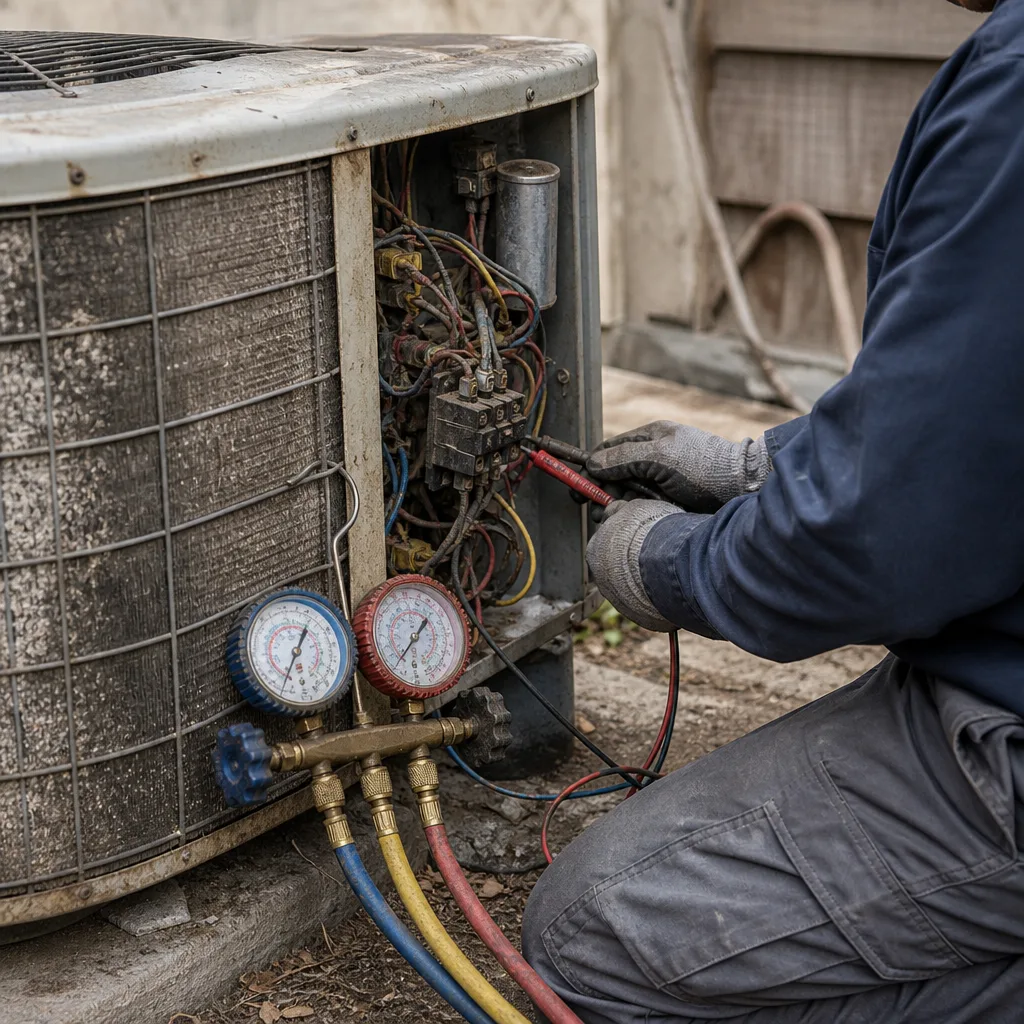 Before
 After
 Before
 After
 Before
 After
When to Call a Professional
You should call a professional whenever the equipment is failing and you’re not sure why. That covers a system that won’t cool, a furnace that won’t heat, an outdoor unit that’s noisy or short-cycling, ice forming on the refrigerant lines, or a thermostat that won’t hold settings. Refrigerant work, electrical components inside the unit and anything involving the compressor are not DIY territory; the risks are real and a trained technician is the right call. You should also call if you’re weighing a replacement, because an honest assessment before any recommendation is the only way to get a clear answer. AC Repair San Mateo offers free estimates in San Mateo. Call (866) 260-3183. We answer 24/7. Fast dispatch from 7am to 7pm, Sunday through Friday.
Frequently Asked Questions
There isn’t a single “best” brand for San Mateo, because the right choice depends on your home’s load, your budget and the local parts network behind the brand. Carrier, Bryant, Daikin and American Standard all have solid service infrastructure in San Mateo County and are worth considering. The recommendation we give is driven by your situation, not by a dealership agreement. Call (866) 260-3183 for an exact quote; estimates are free.
The installer matters more than the brand, and by a wide margin. A mid-tier brand installed and serviced by an experienced technician will usually outperform a premium brand installed by a generalist. Modern systems are sensitive to charge, airflow and control setup, and experience is what gets those right. Our technicians have up to 9 years of experience across nine major brands. Call (866) 260-3183 to talk through your system.
Parts lead times vary because each manufacturer runs a different supply chain and distributor network. A brand with a dense regional warehouse and local distributor can supply common parts in a day, while a brand with thinner regional coverage can take several times longer. It’s a logistics fact, not a quality judgment, and it’s one of the most useful questions to ask before you buy. If you’re stuck waiting on a part, call (866) 260-3183 and we’ll walk you through options.
Heat pumps are an excellent fit for San Mateo because mild winters and moderate summers sit comfortably within a modern heat pump’s range. What matters is choosing a mild-climate product line rather than a cold-climate one, since cold-climate units are built for conditions you won’t see here. Daikin, Carrier and Bryant all offer strong mild-climate heat pump lines. Call (866) 260-3183 for a free estimate on a heat pump replacement.
Many manufacturer warranties cover parts only and leave the labor to you, and some require registration or a registered installer to stay valid. Read the warranty carefully before the equipment goes in, and ask whether your contractor qualifies under its terms. A parts-only warranty isn’t a scam, but it isn’t full coverage either. Call (866) 260-3183 if you want an honest read on what your current warranty covers.
We’re closed on Saturdays, so a weekend failure gets booked into the next opening, Sunday through Friday, 7am to 7pm. We answer 24/7, so you can call and get on the schedule without waiting. Call (866) 260-3183.
The Bottom Line
Brand choice in San Mateo is a system decision, not a popularity contest. The right brand is the one your contractor can diagnose, service and supply parts for quickly, matched to your home’s actual load and your budget. Prioritize local parts distribution, a mild-climate product line, and a technician with real experience on the equipment. Skip the very highest SEER tier if it squeezes your budget; put that money into variable-speed modulation and humidity control instead. Read the warranty before the equipment goes in. And ask the questions that separate real experience from a sales pitch. Nine major brands, one specialist team, honest assessment first. Call (866) 260-3183 for a free estimate.
Written by the team at AC Repair San Mateo.