
Last updated November 16, 2026
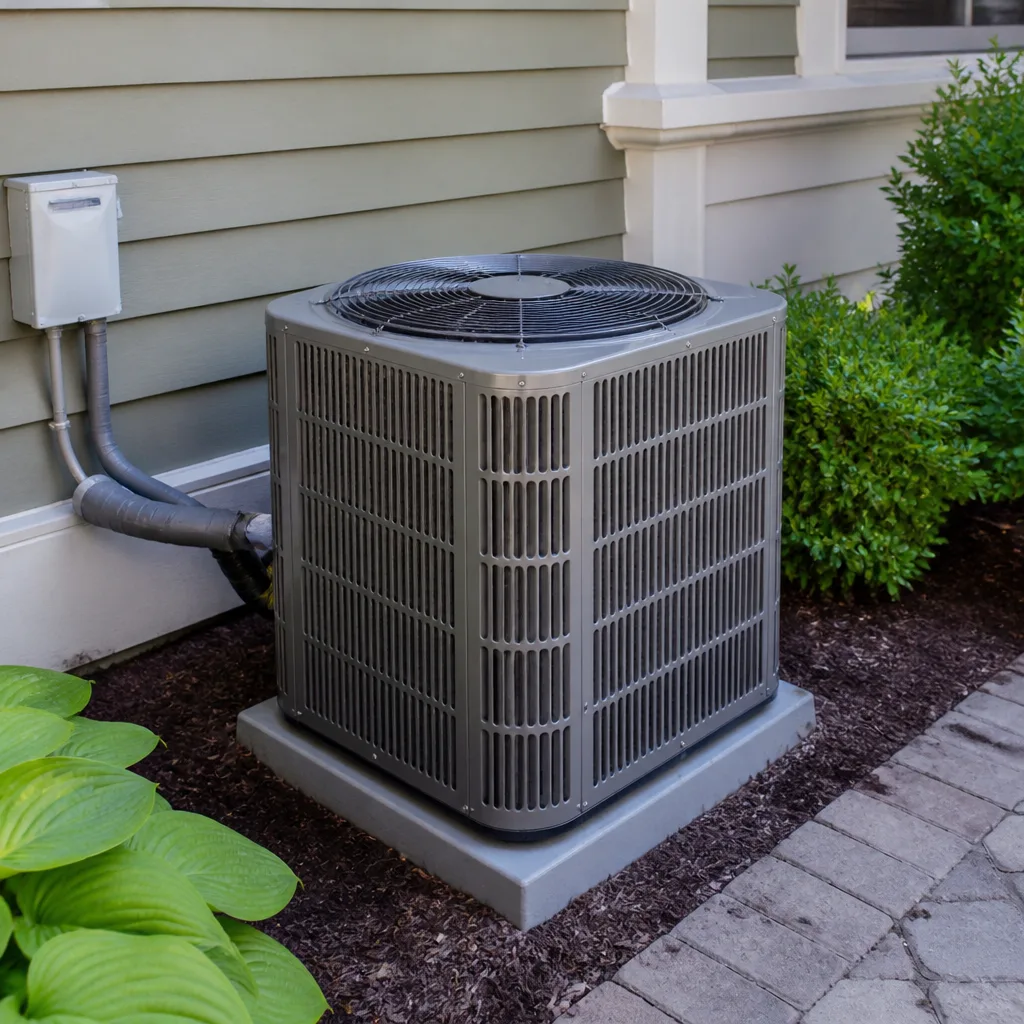 AC repair
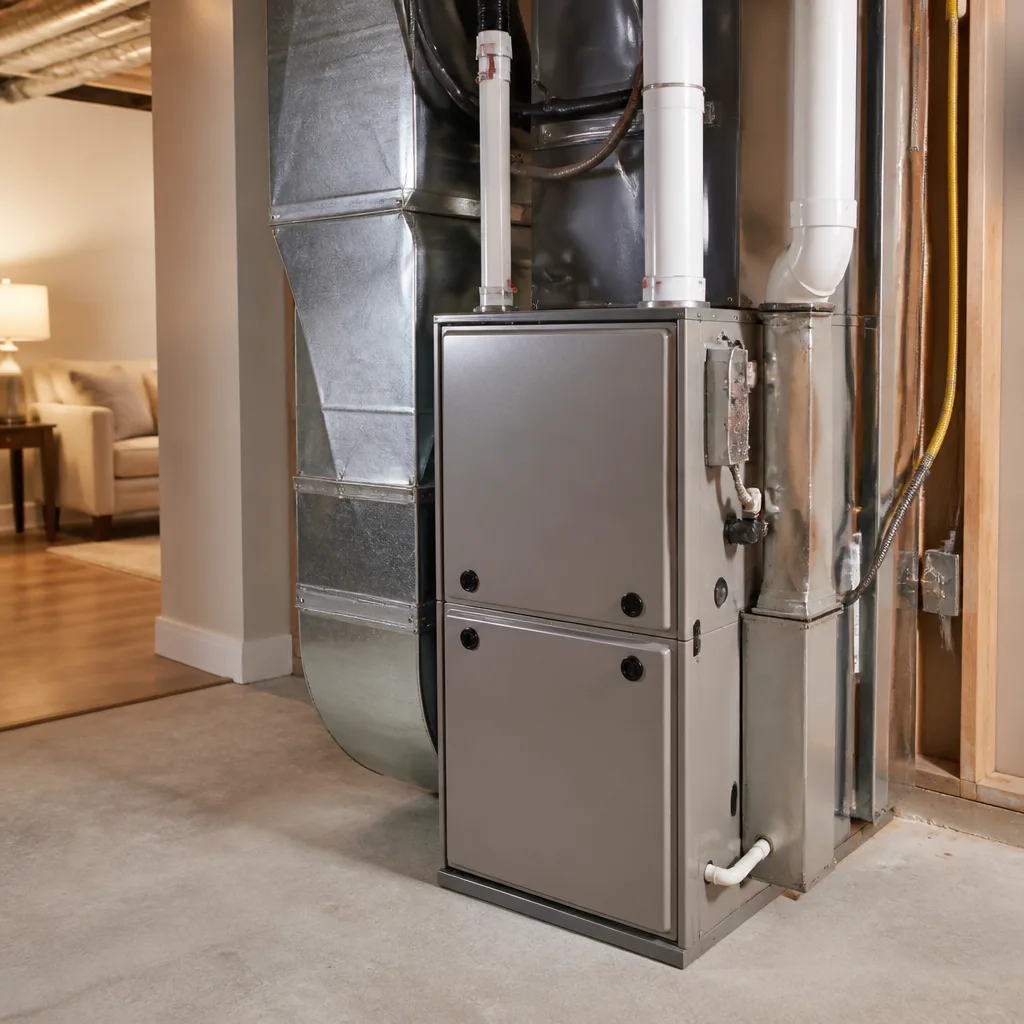 Furnace & heating
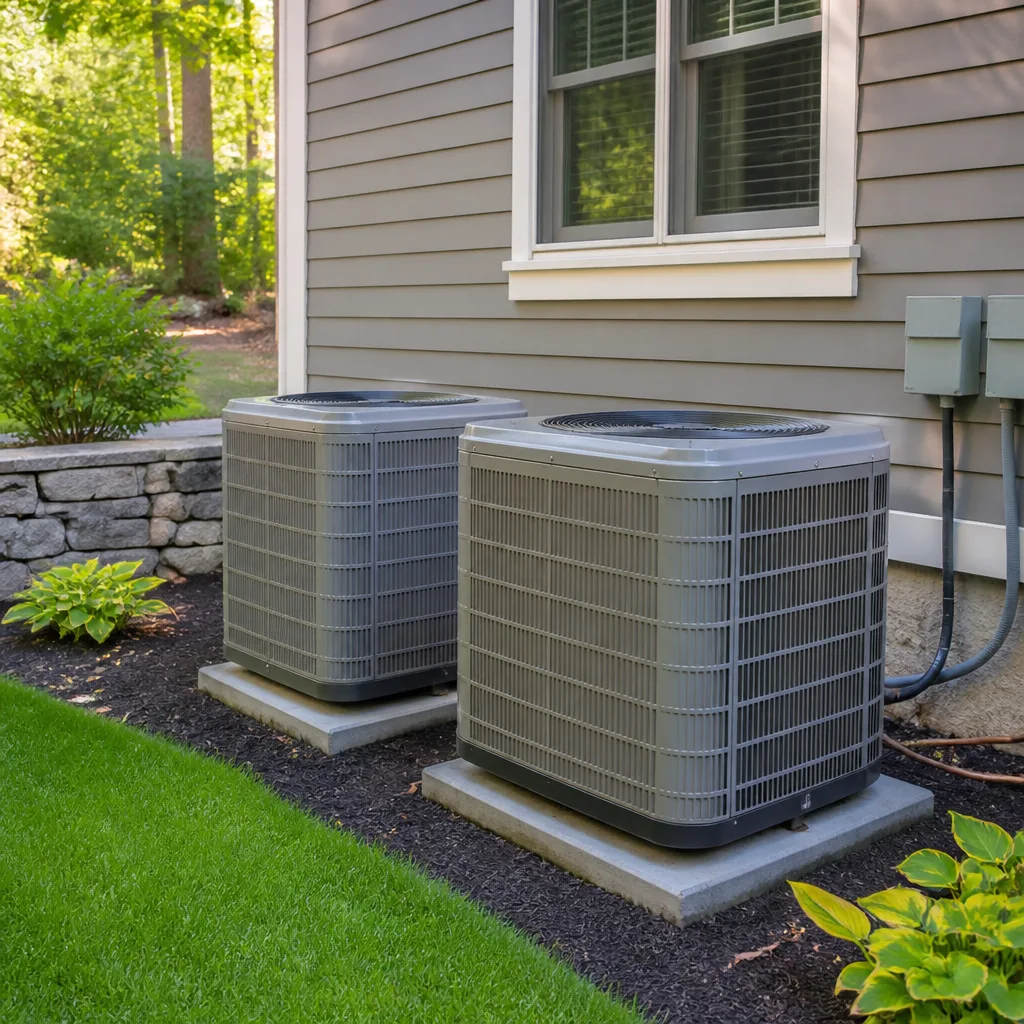 Heat pumps
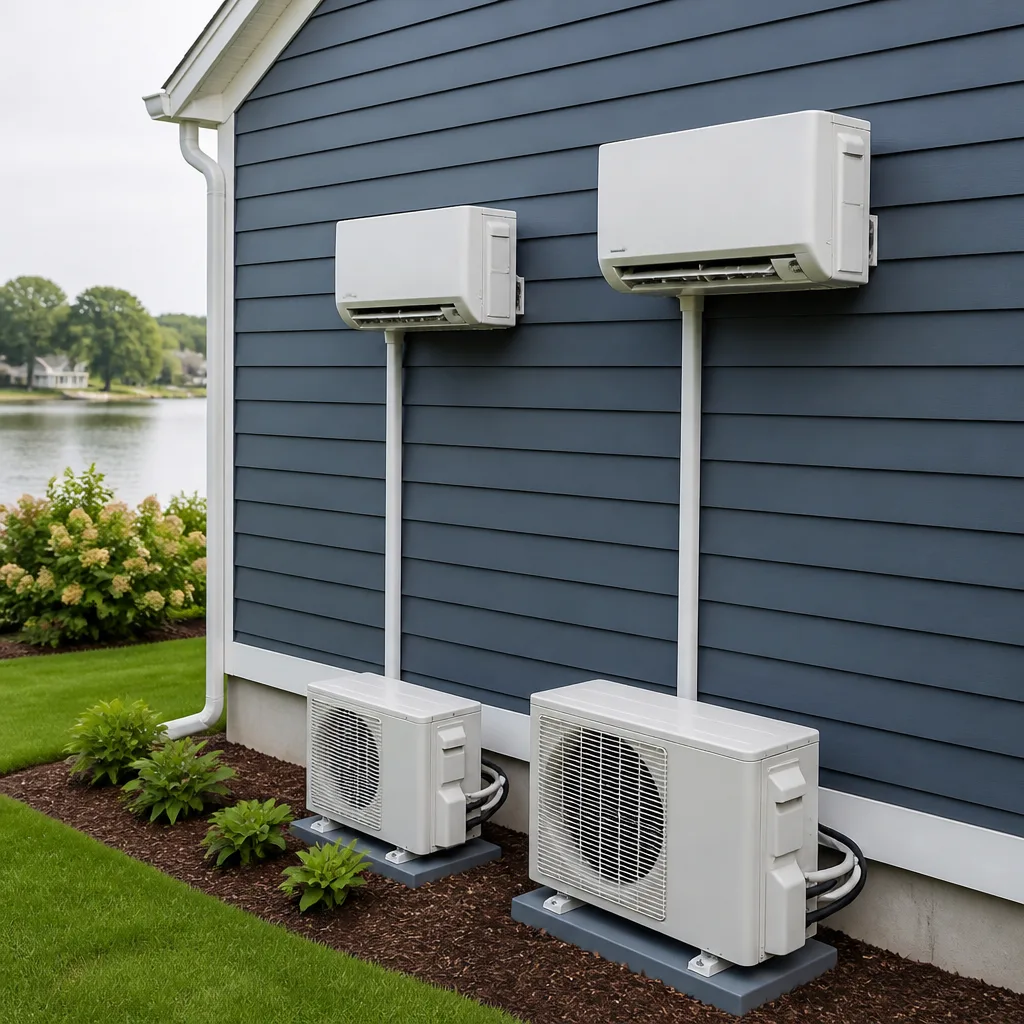 Ductless mini splits
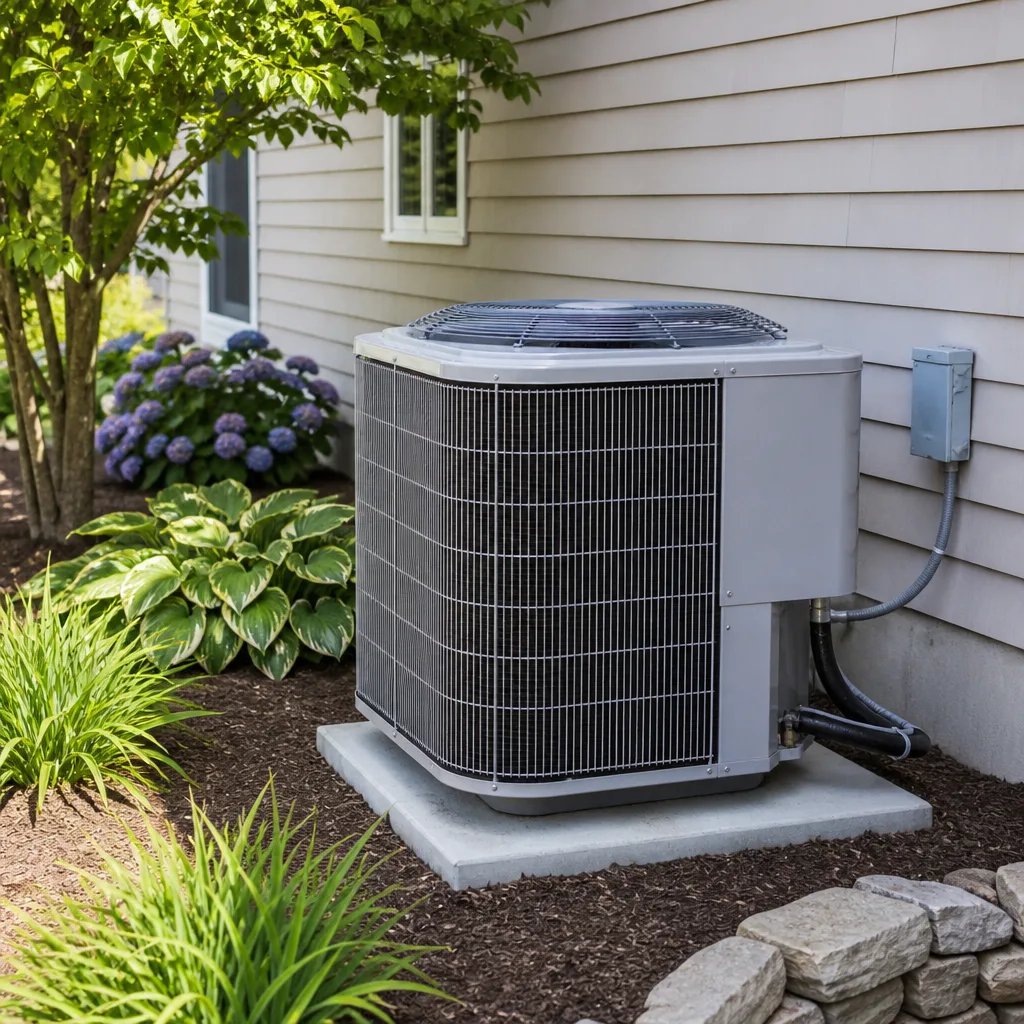 Carrier
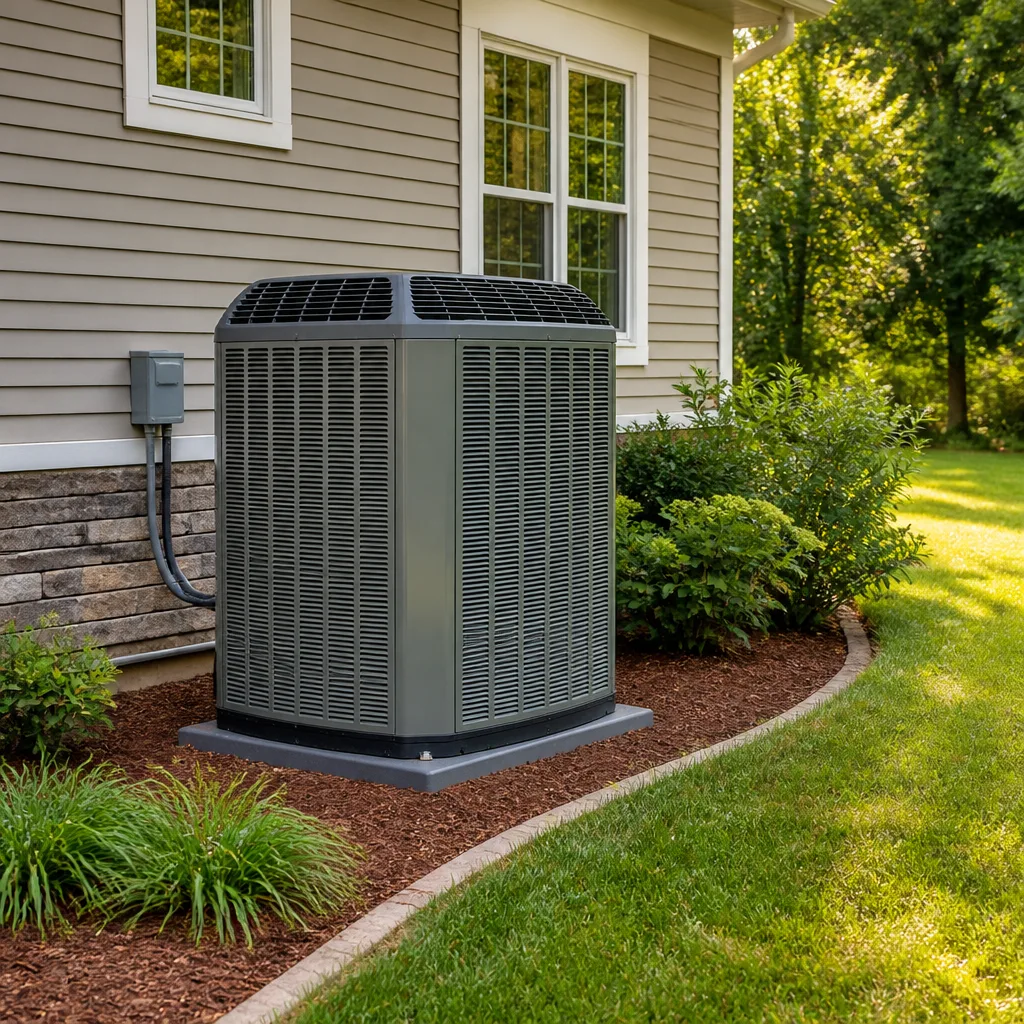 Trane
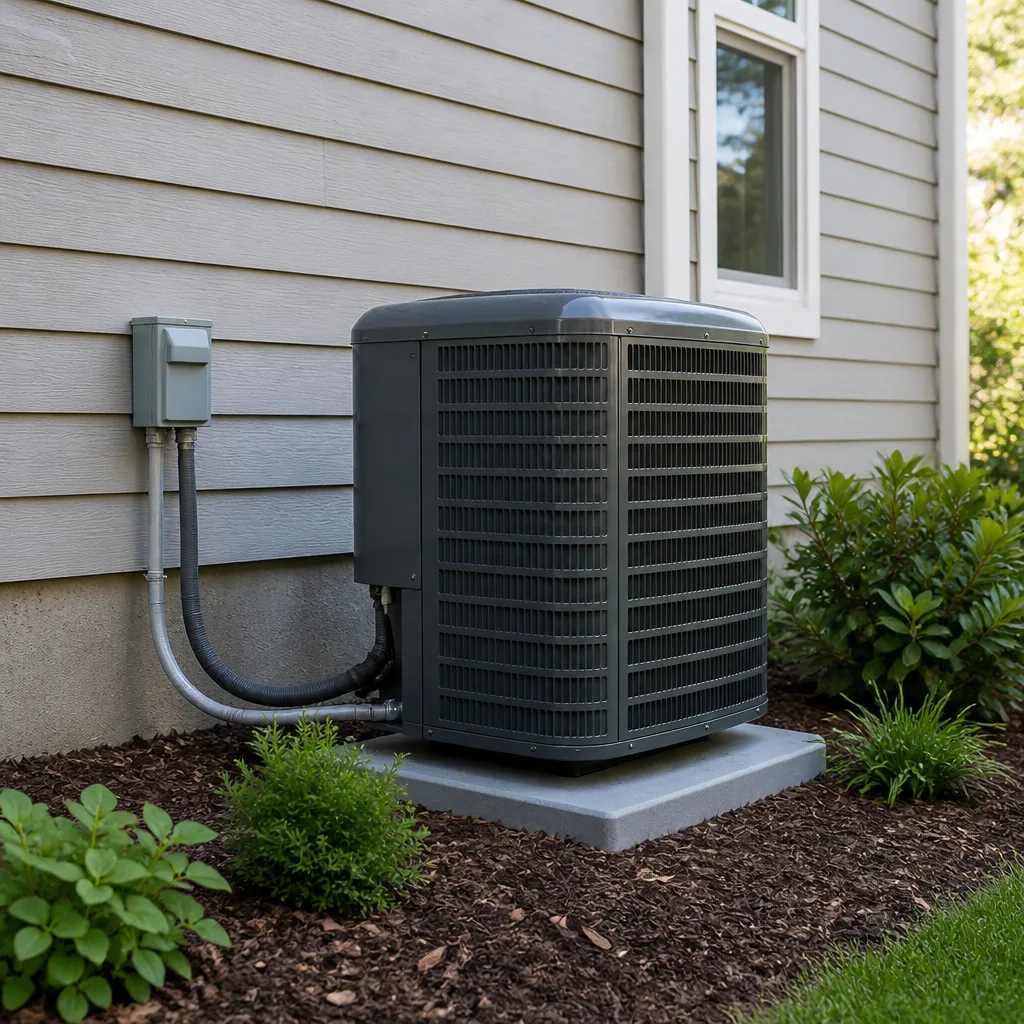 Goodman
Seasonal tune-up and full diagnostic on your Carrier, Trane, or Goodman system - readings shown to you before any repair is proposed
Diagnosis first, numbers second - you approve the repair price before a single part goes in.
Get your free estimateThe Complete AC Installation Guide for San Mateo Homeowners
Most AC systems installed in San Mateo are oversized. Not because contractors are careless, but because many of them are quietly applying load-calculation defaults built for Sacramento summers to a city where July fog can hold afternoon temperatures in the low 60s. When a system built for triple-digit heat lands in a bayside bungalow that rarely crosses 75, it short-cycles, dehumidifies poorly, and wears itself out years early. Choosing and installing air conditioning here takes an approach shaped by this city’s weather, not a template pulled from an inland climate. In this guide, we’ll walk through how the local microclimate affects sizing, what permits and Title 24 documentation actually require in San Mateo County, how to decide between ducted and ductless for older housing stock, and the red flags that separate a real Bay Area installation from a generic one. Bookmark it – it’s meant to be read more than once.
Quick Answer
AC installation in San Mateo should start with a room-by-room Manual J load calculation that accounts for bay fog, hillside exposure, and the age of your home’s envelope – not a rule of thumb based on square footage alone. A properly sized system, paired with a Title 24-compliant permit and, where required, HERS verification, will cost more up front than an off-the-shelf guess but will run quieter, last longer, and control humidity better in this climate. If a contractor won’t put the load calculation in writing, don’t schedule the install.
Styles & brands we work with
- AC repair
- Furnace & heating
- Heat pumps
- Ductless mini splits
- Carrier
- Trane
- Goodman
Table of Contents
- Why San Mateo’s Microclimate Makes Sizing the Whole Ballgame
- How Manual J Load Calculation Actually Works Here
- Permits, Title 24, and HERS Verification in San Mateo County
- Ducted vs. Ductless: A Decision Framework for 1950s-1970s Homes
- What to Verify Before Your Installer Arrives
- How to Read an Installation Quote
- Brand Selection Without Brand Loyalty
- Red Flags in a San Mateo AC Quote
Why San Mateo’s Microclimate Makes Sizing the Whole Ballgame
The single biggest factor in how an AC system performs is how closely its capacity matches the actual cooling load of your home. San Mateo makes that match unusually difficult because the city doesn’t have one climate – it has several, packed close together.
A home on the bay-facing flats in the North Central or Hayward Park area may sit under fog most July afternoons and need very little cooling capacity to stay comfortable. The same afternoon, a house on the western hillside up toward Laurelwood or Baywood can run ten or more degrees warmer as the marine layer burns off below the ridge. Elevation, tree cover, roof pitch, and the direction your biggest windows face all shift the number. A contractor sizing by square footage alone will miss every one of those differences.
Here’s why it matters in practice:
- Oversizing fails in this climate. A system that’s too large cools the air before it removes enough humidity. You get a clammy, cold-feeling room and a compressor that switches on and off constantly.
- Short-cycling wears equipment out. Every compressor start is a hard start. Frequent cycling shortens the life of the compressor and the contactors.
- Undersizing fails on the warm days. The handful of afternoons when the fog stays offshore and the hillside homes hit the high 80s are exactly when an undersized unit can’t keep up – and that’s when you’ll notice.
- Fog itself is not your friend indoors. In a tightly built or renovated home, the cool, damp air that keeps outdoor temperatures mild can push indoor humidity past a comfortable range unless your system is designed for it.
The right approach starts with a room-by-room calculation, then a written report you can read before signing anything. That report should list the design conditions used (indoor and outdoor temperatures assumed), the infiltration rate assumed for your windows and doors, and the resulting tonnage per zone. If those numbers aren’t in the paperwork, the calculation either wasn’t done or was pulled from a regional default that doesn’t describe San Mateo. Ask to see it.
How Manual J Load Calculation Actually Works Here
The Manual J load calculation is the industry-standard method for estimating how much cooling a home needs, based on the building’s actual construction, orientation, and window area – not square footage. It’s the foundation of a correctly sized system.
A proper Manual J for a San Mateo home considers:
- Orientation and shading. A west-facing wall of glass in the hills heats up more than an east-facing one of the same size. Tree cover matters too, and so does the slope of the lot.
- Envelope age and air sealing. A 1950s ranch with single-pane windows and no insulation under the floor loses and gains heat very differently from a 1990s remodel with new windows and updated insulation.
- Design temperature, indoor and out. The contractor chooses a design outdoor temperature based on local weather data. Choose a Sacramento default and the tonnage comes out inflated.
- Infiltration. How leaky the house is. Old San Mateo homes can be surprisingly drafty even on a still day, and that leaky air becomes part of the cooling load.
- Internal gains. People, appliances, and lighting. Less significant in residential, but still part of the number.
Once the load is calculated, the contractor selects equipment whose rated capacity at the design conditions equals or slightly exceeds that load. That last point is where the local knowledge pays off: the same equipment that’s right-sized for a bay-facing flat in San Mateo can be significantly oversized for the same home one mile up the hill in the hillside neighborhoods on the west side. A good technician will run the calculation on site, not at the kitchen table with a phone calculator.
We work on systems from Lennox, Goodman, and Rheem, among others, so when we walk into a home we’re not trying to bend the calculation toward one brand’s catalog. The load calculation tells us what capacity fits, and then the equipment gets chosen around it.
Permits, Title 24, and HERS Verification in San Mateo County
An AC install in San Mateo County is a permitted job, and the paperwork is not optional. Residential HVAC replacements and new installations typically require a permit from the local building department, and many jurisdictions also require Title 24 compliance documentation showing that the installed system meets state energy-code requirements. Depending on the scope of the work, your project may also require HERS verification – a third-party energy inspection done by a certified rater after the installation is complete.
What that means for your timeline:
- Permit review. Submitting drawings and equipment cut sheets takes time, and the building department’s schedule isn’t yours to control.
- Approval before installation. Most installers won’t install before the permit is issued, because the job has to be inspected after the fact.
- HERS coordination, when required. The contractor schedules the rater; you shouldn’t have to. If a HERS verification is part of the scope, the installation isn’t really finished until the rater signs off.
- Final inspection. The building inspector confirms the equipment, ducting, and electrical work match what was permitted.
These steps add weeks, not days, to a project – and they’re worth it. Unpermitted HVAC work can cause problems at resale, complicate insurance claims, and later result in code-compliance issues when a future repair or replacement is done. If a contractor offers to install without a permit “to save time,” that’s your cue to find someone else.
Anyone offering AC installation in this county should be able to walk you through exactly which jurisdiction issues your permit, what the Title 24 compliance documentation looks like, and what the HERS sign-off involves. Ask them to show you a sample of each before you sign.
Ducted vs. Ductless: A Decision Framework for 1950s-1970s Homes
A large share of San Mateo’s housing stock was built between the 1950s and the 1970s, and many of those homes never had central air conditioning. That’s the heart of the ducted-versus-ductless decision here: you’re not replacing a duct system, you’re often deciding whether to build one from scratch or avoid it altogether.
Here’s how we think through it:
- Does the home already have usable ducts? If the ducts are present, sized correctly, and in good condition, a ducted system is the most straightforward route. If they’re undersized or leaking badly, you’re looking at duct replacement alongside the AC install, which erodes the cost advantage.
- Is there attic or crawlspace space to run new ducts? Homes with low-slope roofs and tight attics can make duct runs hard. Homes with accessible attic space and a central return can often be ducted cleanly.
- How many rooms really need cooling? If only two or three rooms get uncomfortable on the warm afternoons, a multi-zone ductless system often makes more sense than conditioning the entire house.
- Is there a finished attic, vaulted ceiling, or historic detail you don’t want to disturb? Ductless wall units avoid opening up ceilings, which matters in homes with exposed beams or original plaster.
- How does the homeowner want to control temperature? Ductless systems give you room-by-room control and are typically more efficient to run when only part of the house is occupied. Ducted systems give you whole-home uniformity with a single thermostat.
In our experience, homes on the hillside that face warmer summer afternoons often benefit from ductless in the rooms that actually overheat, while bay-facing homes in the North Central area often need only modest capacity and can be served well by a small ducted system if the ducts already exist. Neither answer is universal – the correct one depends on the house in front of you.
If your furnace is nearing the end of its service life, this is also the moment to plan a coordinated replacement rather than installing AC today and swapping the furnace a year from now. Matching cooling equipment to a furnace with the right airflow and blower capacity is easier when the two are chosen together, and it eliminates the mismatched systems that show up all over the city. Our furnace repair team regularly works alongside AC installation for exactly this reason.
What to Verify Before Your Installer Arrives
A good installation starts before the crew turns up. A few items need to be checked in the days before your install date, because they determine whether the job goes smoothly or stalls partway through.
- Electrical panel capacity. A central AC needs a dedicated 240-volt circuit from the main panel. Plenty of older San Mateo homes have panels with limited spare capacity, especially if a prior remodel added a spa, an EV charger, or an electric range. Have an electrician confirm there’s room for the new circuit before the AC crew arrives; if not, that panel work has to happen first.
- Attic clearance for the air handler. A ducted system’s air handler needs room to fit and to be serviced afterward. Tight attics in older homes can squeeze the space, and the installer needs to know that on the front end. Confirm access (a hatch and walkable surface) and the physical dimensions the unit will need.
- HOA rules for condo-heavy neighborhoods near downtown. If you’re in a condo or townhome in or around downtown San Mateo, your HOA almost certainly has rules about where a condenser can go, how it’s screened, and whether it can be mounted on a balcony or roof. Get written HOA approval in hand before you order equipment. Reversing a decision after the unit has been ordered gets expensive.
- Site for the condenser. Outdoor units need airflow clearance and shade where possible. Where the condenser sits on your lot affects both efficiency and noise. It also matters for code setbacks.
- Landscaping and access. Crews need a path for the equipment and for their tools. Trimming back vegetation and clearing a path to the attic and to the condenser location saves time on install day.
Walking through this checklist in advance is one of the practical differences between an install that finishes on schedule and one that gets pushed back a week while an electrical question is sorted out. If your contractor hasn’t raised these items before your scheduled date, ask them to.
How to Read an Installation Quote
A written estimate on a residential AC install should answer questions you didn’t know to ask. When we prepare one, we include the load calculation results, the equipment model numbers, the scope of electrical work, permit and HERS coordination, and the total installed price. If your quote is a single line item with one number, ask for the detail.
Here’s a rough sense of typical cost ranges in San Mateo for planning purposes. These are estimates only; the written estimate sets the final price:
- Ducted split-system AC installation (equipment plus labor, new install): typically $6,500 to $12,000 for a mid-size single-family home, depending on tonnage, whether new ductwork is required, and electrical scope.
- Ductless mini-split system (single zone): typically $3,500 to $6,500 installed.
- Ductless mini-split system (multi-zone, 3-4 rooms): typically $9,000 to $18,000 installed.
- Electrical panel work if a 240V circuit needs to be added: varies widely and is quoted separately by an electrician.
- Permit fees: set by the issuing jurisdiction and passed through at cost.
Those ranges cover the full job – equipment, labor, permit, and normal startup. They don’t include extensive duct replacement, panel upgrades, or unusual structural work. A quote that comes in dramatically below the ranges above is worth scrutinizing; it usually means less equipment, no permit, or no load calculation.
When you ask for a AC repair in San Mateo visit versus an install quote, the level of detail in the paperwork should look similar – a written diagnosis on one side, a written recommendation on the other. The work is different, the seriousness of the document is not.
Brand Selection Without Brand Loyalty
There are real differences between brands, but they’re smaller than most homeowners are led to believe, and they’re outweighed by the quality of the installation itself. A Carrier, Trane, or Lennox system properly sized and installed will generally outperform a lesser-known brand installed poorly, and a Goodman, Rheem, or York system installed with a good Manual J and correct refrigerant charge will beat a premium brand dropped in with a guessed tonnage. The installation drives the outcome.
That’s why our recommendations come from the calculation and your home’s requirements, not from a single-brand dealership agreement. We work across Carrier, Trane, Lennox, Goodman, Rheem, York, Daikin, Bryant, and American Standard, and our technicians have up to 9 years of experience diagnosing all of them. When there’s a clear reason to prefer one brand – availability, parts support, a specific feature you want, or the way the equipment pairs with an existing furnace – we’ll tell you why. When there isn’t, we won’t invent one.
Three practical things to ask about whichever brand ends up on your quote:
- Parts availability locally. Some brands are easier to source replacement parts for in the Bay Area than others. Ask how quickly a failed control board or blower motor could be replaced.
- How the AC matches the furnace. If you’re keeping your existing furnace, the AC’s coil and air handler need to match its capacity. Mismatched equipment loses efficiency the spec sheet promises.
- Warranty registration. Manufacturer warranties often require registration by the installing contractor, within a specific window. Confirm your contractor handles it and gives you a copy of the registration.
Red Flags in a San Mateo AC Quote
Most of the risk in an AC installation is set before the first wrench turns, up in the paperwork. Watch for these patterns in a quote for a San Mateo home:
- Flat-rate pricing with no load calculation mentioned. If the tonnage is on the quote but the Manual J isn’t, the size was guessed. That’s the number that will hurt you in this climate.
- No HERS rater coordination mentioned in the scope. Title 24 compliance and HERS verification should be in the estimate as line items if your project requires them. A quote that silently skips them will tack costs on later, or skip the sign-off entirely.
- Single-brand-only recommendations. If every quote is the same brand regardless of your home’s needs, the recommendation is being shaped by a dealer agreement, not by you.
- No mention of the electrical service. A quote that says nothing about a 240V circuit and your panel capacity is either assuming your panel is fine or hoping nobody checks.
- No permit in the scope. “We’ll do it without a permit to save time” is a warning, not a courtesy.
- Square-foot sizing only. “1,800 square feet equals a 3-ton unit” is the rule of thumb that fails in a fog belt.
- Oversized tonnage for a warm-day-only quote. If the sizing assumes Sacramento conditions and your home is in the bay fog belt, your equipment will short-cycle from day one.
None of those flags means the contractor is dishonest. Some of them mean the contractor just isn’t set up for Bay Area work – they’re running on defaults from other markets. But those defaults cost you in real performance and equipment life.
Common Mistakes to Avoid
- Sizing by square footage. It’s the single most common mistake, and in San Mateo it produces short-cycling systems that never quite control humidity. Insist on a room-by-room Manual J before any quote is signed.
- Skipping the permit to save time. Unpermitted installations can complicate resale, insurance claims, and future repairs. Do it by the book.
- Choosing equipment by brand marketing alone. The best-performing install is often a mid-range brand with an excellent installation, not a premium brand dropped in by guesswork.
- Installing ductless in a home that already has good ducts (or ducted when it doesn’t). Match the system to the house. In older San Mateo stock, look at the duct situation first.
- Ignoring the electrical panel. A dedicated 240V circuit is a hard requirement. Check the panel capacity before the install date so the schedule doesn’t slip.
- Choosing a condenser site for convenience rather than airflow. A condenser boxed in by a fence and shaded by nothing will underperform and run louder than it needs to.
- Not coordinating a furnace replacement with the AC install. Mismatched equipment across two separate installs is one of the most common sources of complaint we see on the heating side after AC work.
See the difference
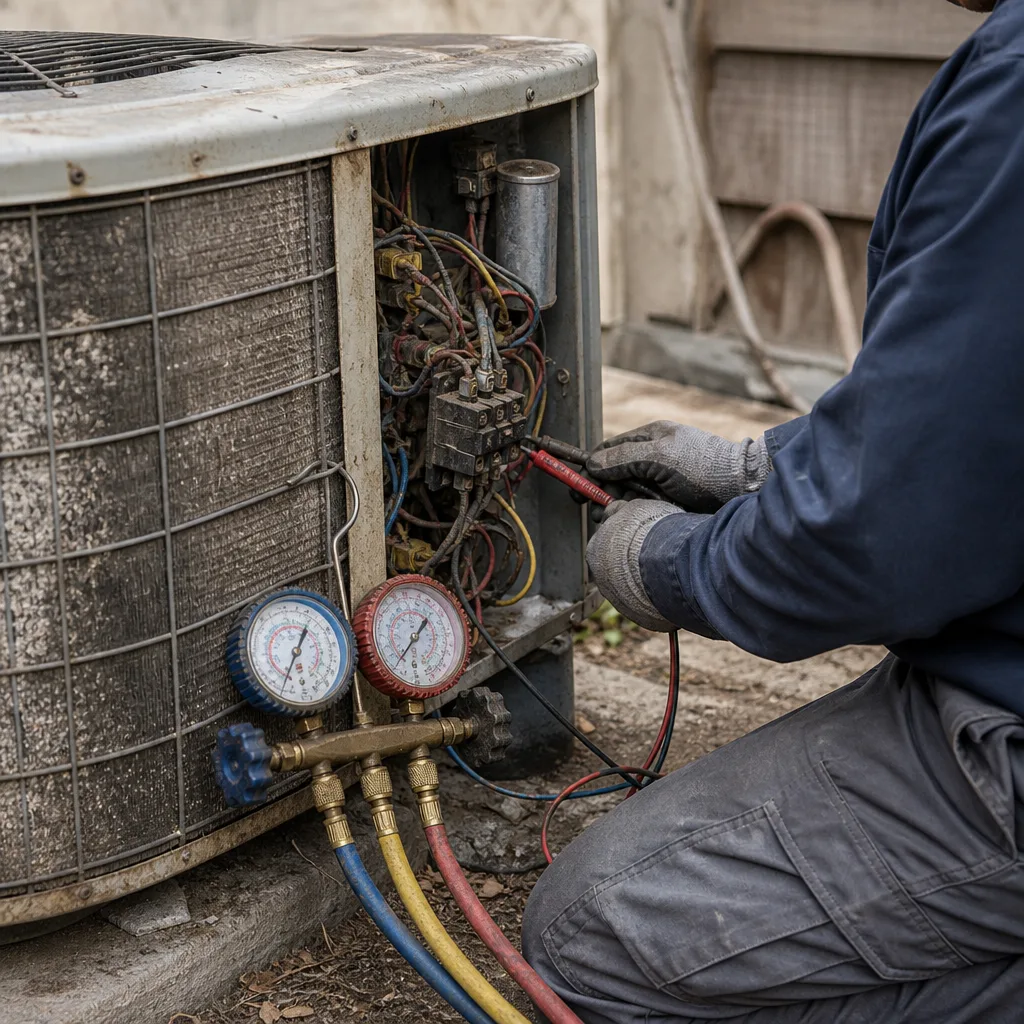 Before
 After
 Before
 After
 Before
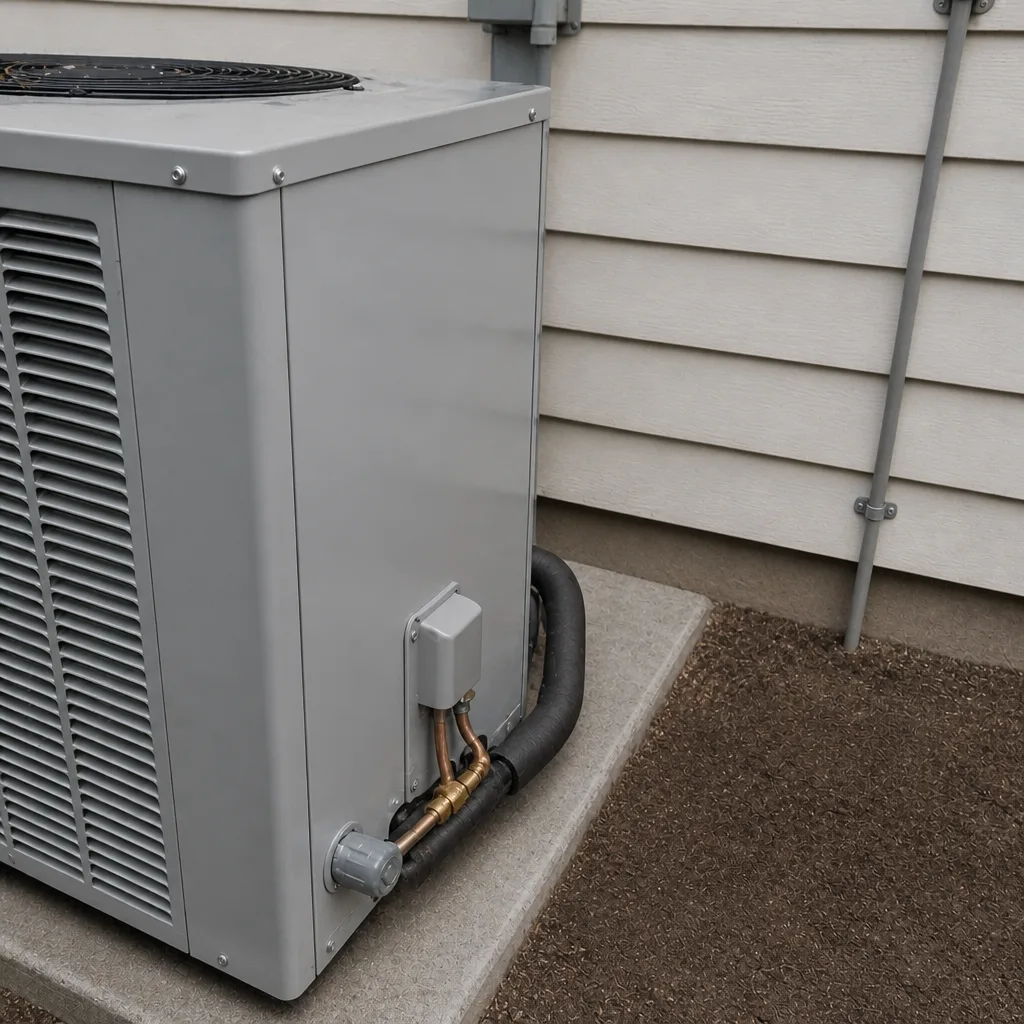 After
When to Call a Professional
Any work that involves a permit, an electrical connection, or refrigerant lines should be done by a trained professional, full stop. Refrigerant handling requires certification, and a 240-volt circuit is not a homeowner task. But there are specific scenarios where the decision isn’t “can I do this myself” – it’s “who should I call, and when.”
Call for a professional opinion when: your existing unit is more than ten to twelve years old and you’re weighing repair against replacement; your current system is short-cycling, running constantly without cooling, or making odd noises; your home is one of the many San Mateo properties built without central AC and you’re deciding between ducted and ductless; or you’re planning a furnace replacement and want the AC sized at the same time. If your AC fails in the middle of a hot spell and the house is becoming uncomfortable, that’s a same-day call. If your furnace quits in winter, don’t wait. We also handle that side of the house through San Mateo service for both heating and cooling.
AC Repair San Mateo offers free estimates in San Mateo – call (866) 260-3183. We answer 24/7. Fast dispatch from 7am to 7pm, Sunday through Friday.
Frequently Asked Questions
AC installation in San Mateo typically runs $6,500 to $12,000 for a ducted split system on a mid-size single-family home, and $3,500 to $6,500 for a single-zone ductless mini-split. Multi-zone ductless systems typically run $9,000 to $18,000 depending on how many rooms are covered. Electrical panel work, extensive duct replacement, and permit fees are quoted separately, and the written estimate sets the final price. Call (866) 260-3183 for an exact quote – estimates are free.
Yes. Residential HVAC installations in San Mateo County generally require a permit from the issuing jurisdiction, and many projects also require Title 24 compliance documentation and, where applicable, HERS verification by a certified rater. Your installer should coordinate all of it and include it in the scope. Ask to see a sample of the documentation before you sign.
Because San Mateo’s weather varies dramatically from one neighborhood to the next – bay fog can keep bay-facing homes in the low 60s while hillside homes run ten or more degrees warmer on the same afternoon. An AC sized for Sacramento summers short-cycles in a fog-belt home, which wears out the compressor prematurely. A room-by-room Manual J calculation, not square footage, is the only reliable way to size here.
The equipment installation itself typically takes one to two days of on-site work for a residential split system. The larger timeline is the permit and inspection process, which can add several weeks from the day you sign to the day the job is inspected and closed out. HERS verification, when required, adds time after installation. A contractor who says the whole thing will be done in three days total is skipping steps.
It depends on what the house already has. If good ducts are already in place, a ducted system is usually the simplest route. If the home was built without central AC and the attic is tight or the layout is unusual, a multi-zone ductless system often makes more sense – especially when only a few rooms actually overheat. The decision should follow a load calculation, not a preference.
Yes, and it’s usually the better call. Coordinating an AC installation with a furnace replacement lets us match the cooling equipment to the furnace’s airflow and blower capacity, which prevents the mismatched-system problems that show up when the two are chosen independently. One call covers both sides. Call (866) 260-3183 to schedule a free assessment.
The Bottom Line
AC installation in San Mateo is a sizing problem before it’s an equipment problem. Get the Manual J right, honor the permit and Title 24 process rather than working around it, choose ducted or ductless based on the house you actually have, and verify electrical capacity and attic access before install day. Then pick equipment by fit and budget, not by brand marketing. The system that cools a bay-facing San Mateo home comfortably may be significantly smaller than the one that cools the same-size home on the hills – and a contractor who can’t explain why is a contractor still learning this city’s weather.
We’re here when you’re ready. Call (866) 260-3183 for a free estimate – a real load calculation, a written quote, and a recommendation built around your home, not a brand.
Written by the team at AC Repair San Mateo.