
Last updated November 16, 2026
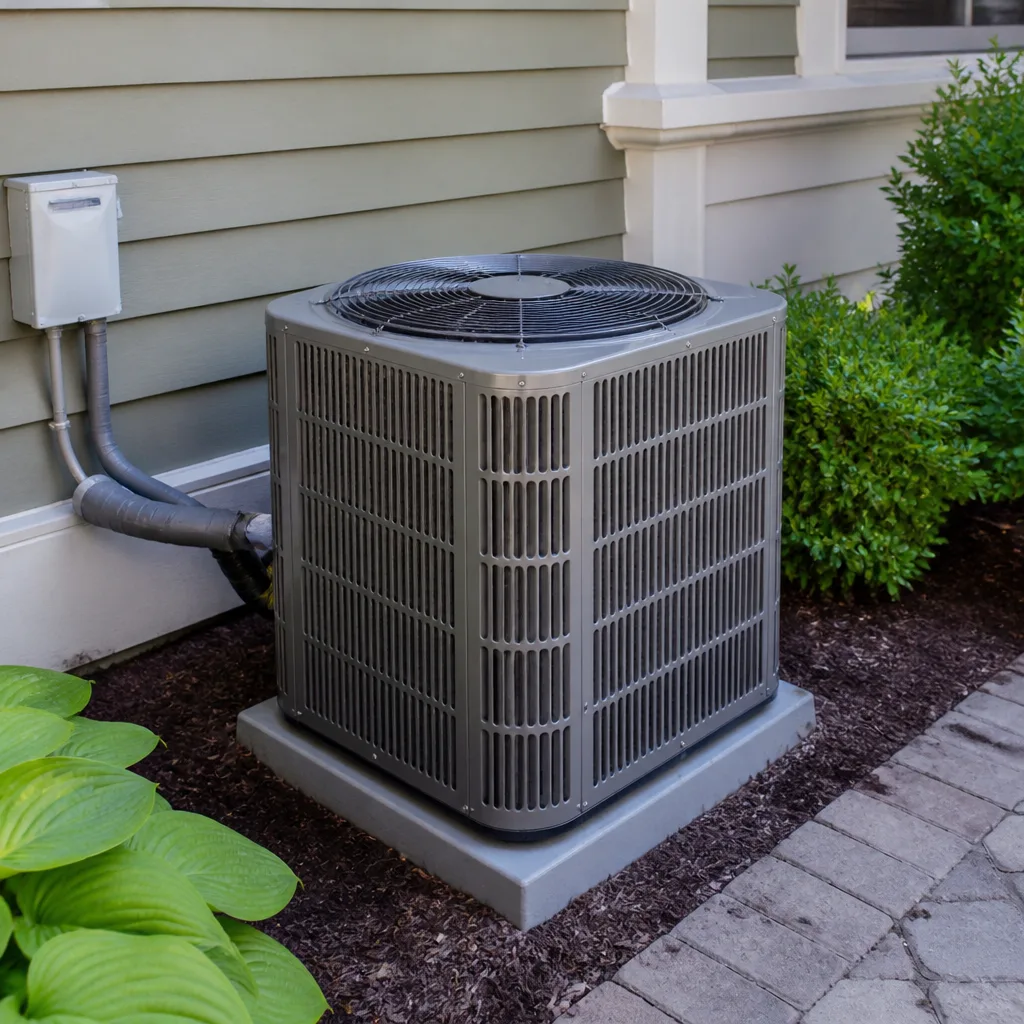 AC repair
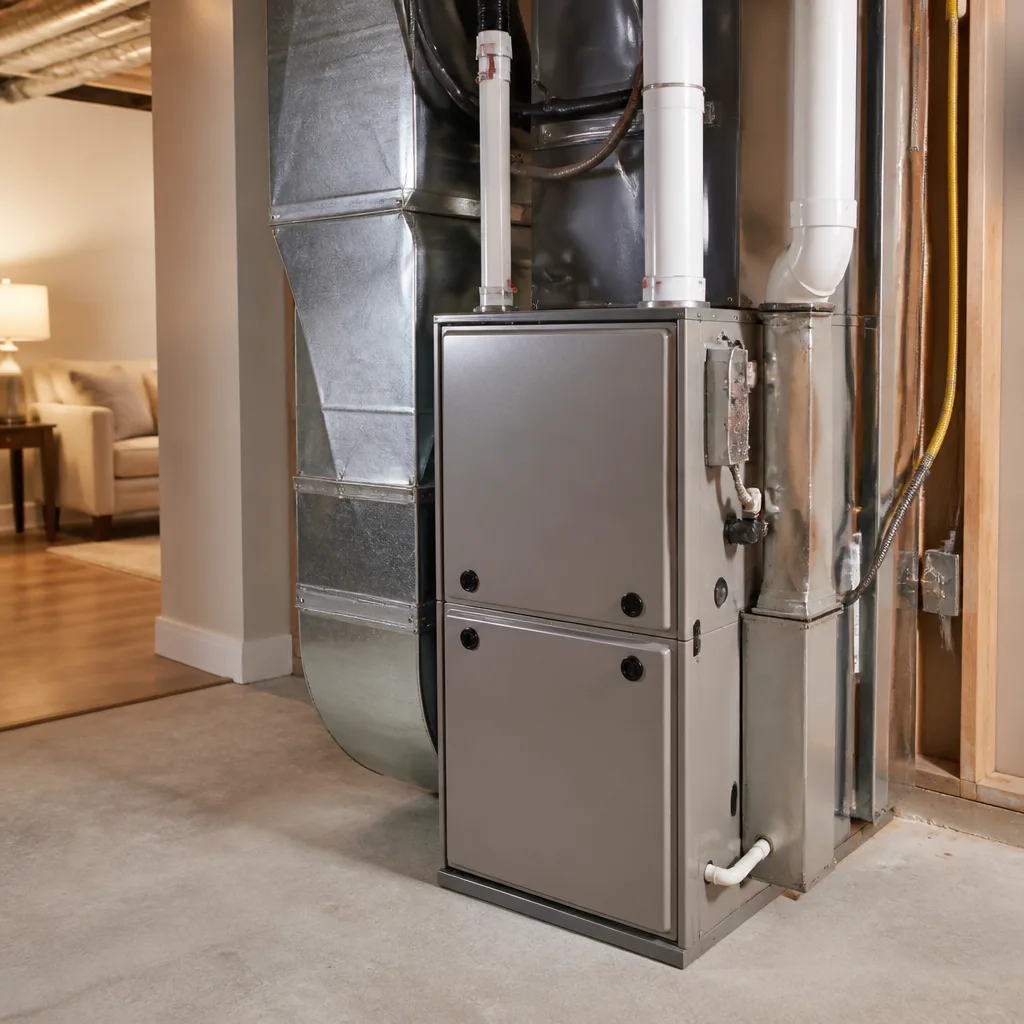 Furnace & heating
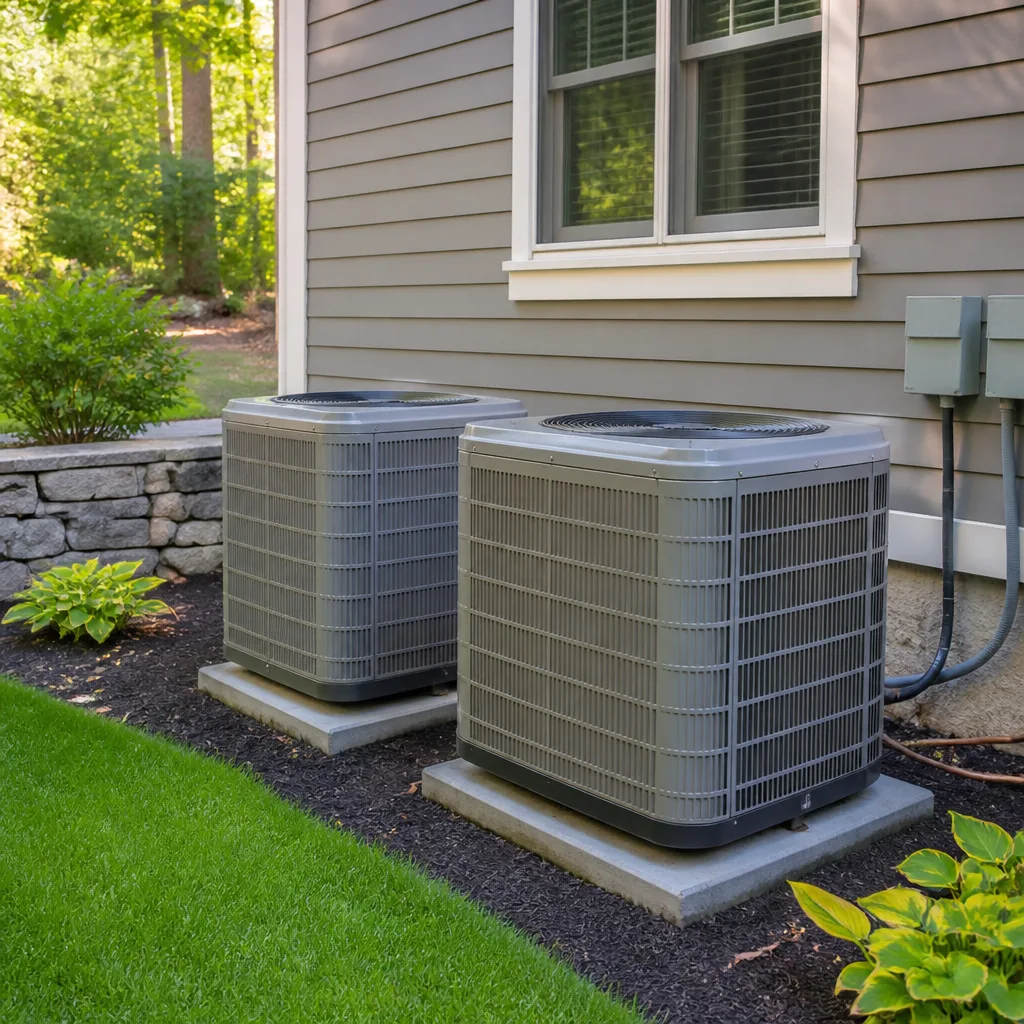 Heat pumps
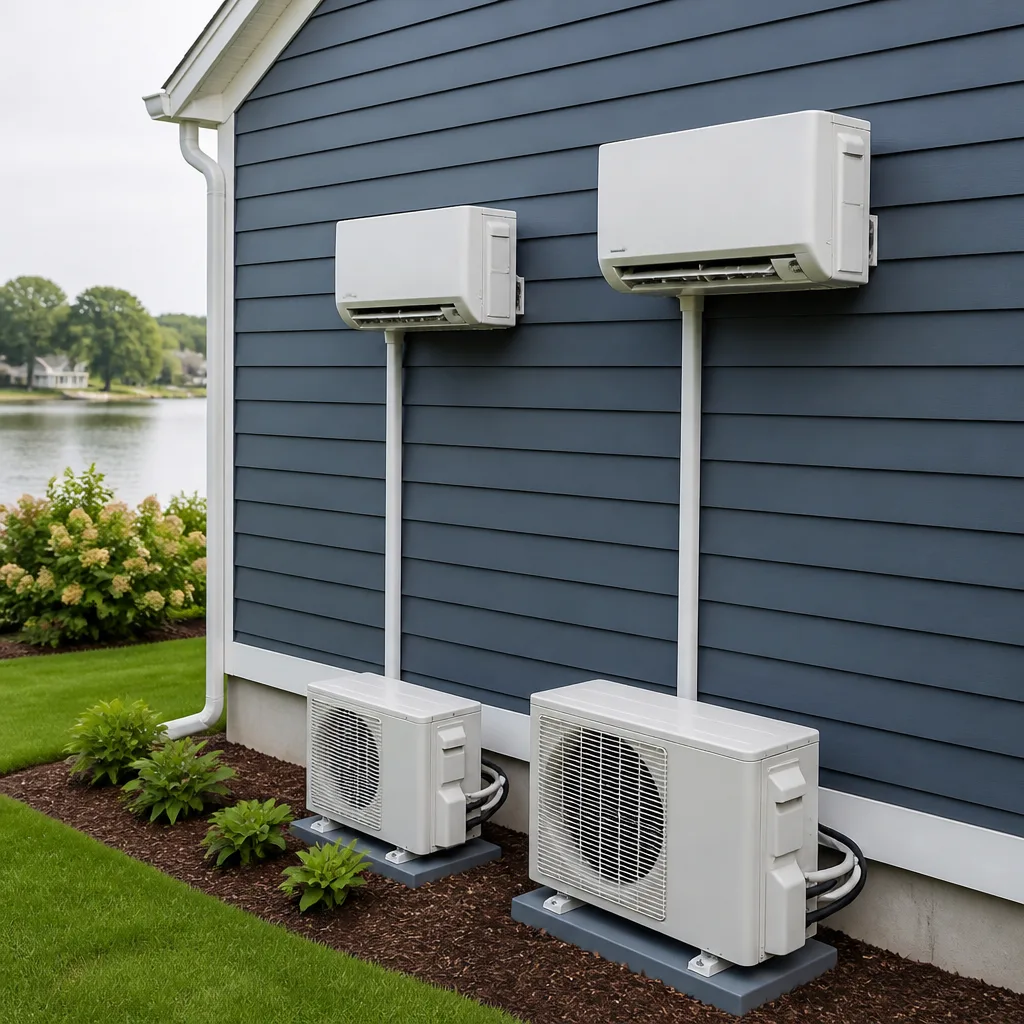 Ductless mini splits
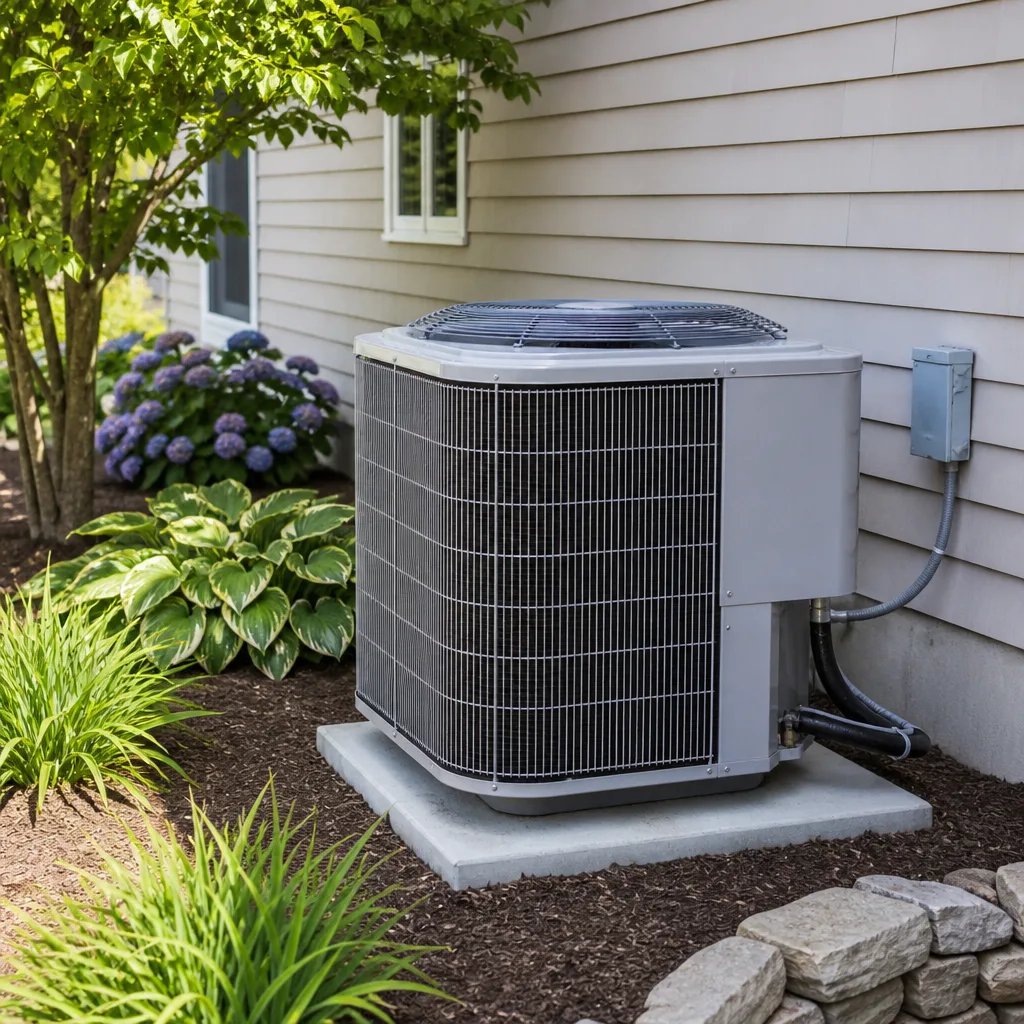 Carrier
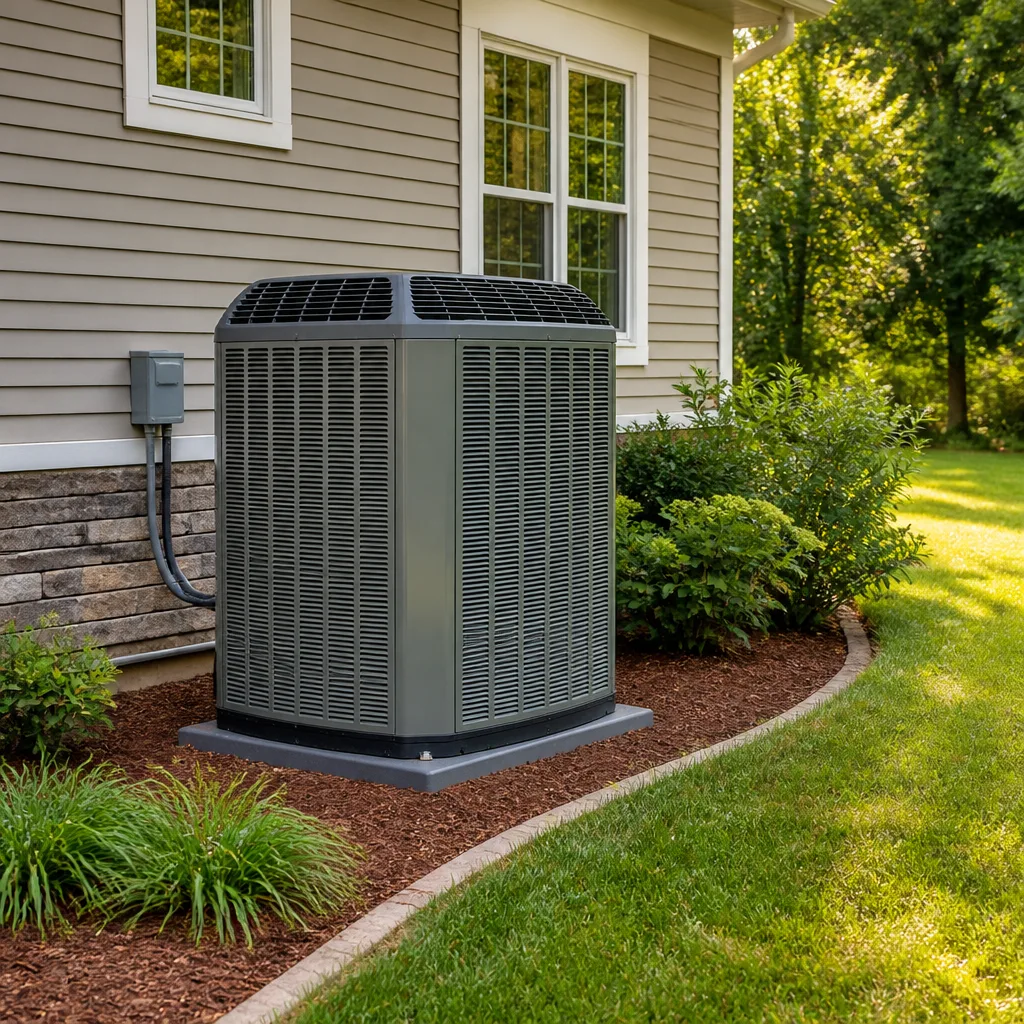 Trane
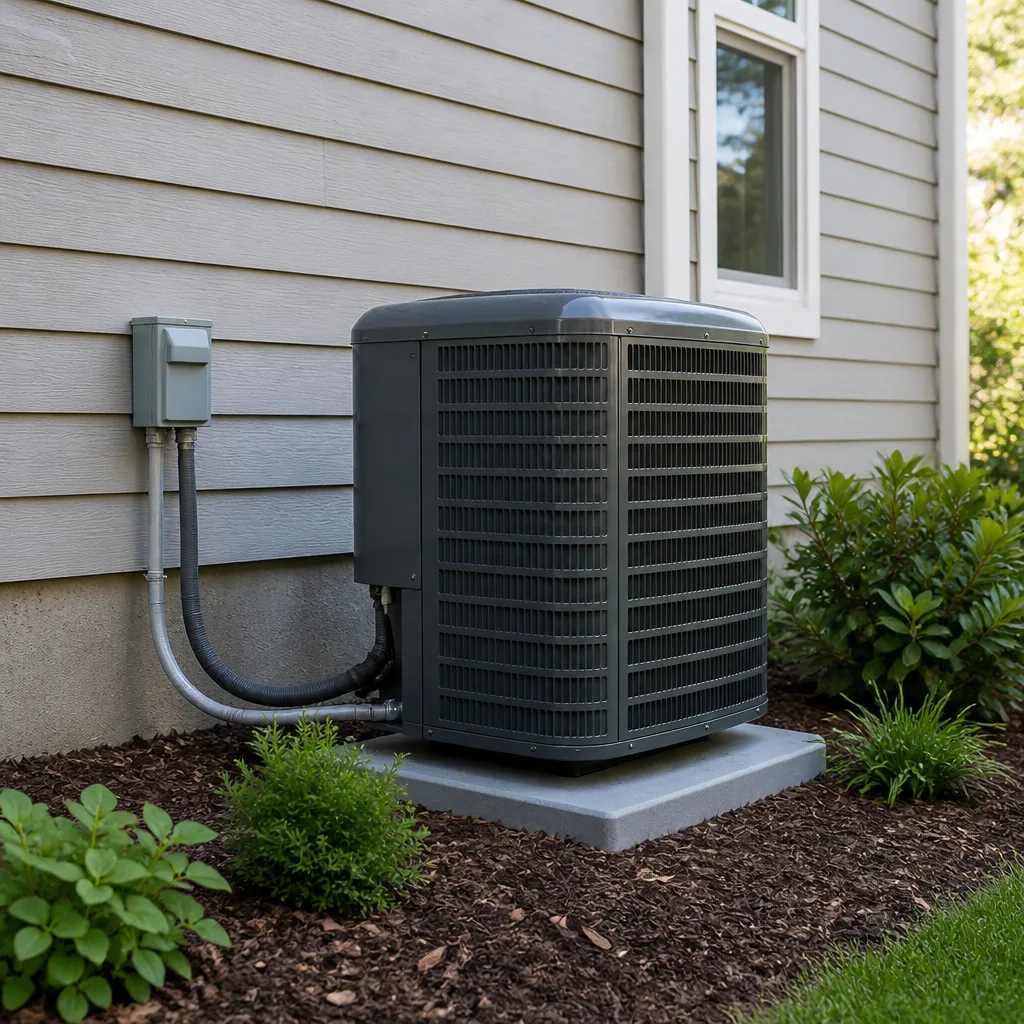 Goodman
Seasonal tune-up and full diagnostic on your Carrier, Trane, or Goodman system - readings shown to you before any repair is proposed
Diagnosis first, numbers second - you approve the repair price before a single part goes in.
Get your free estimateAC Installation Troubleshooting in San Mateo: Common Problems and How to Fix Them
Your new AC passed inspection, the contractor packed up, and the paperwork is filed. Three weeks later the upstairs bedroom still sits at 78°F and the system runs from morning until well after dark. Here’s the part most homeowners miss: that’s rarely a lemon of a machine. It’s usually an installation defect that performed fine on the day of the inspection and only revealed itself as a comfort complaint once the house actually lived with it.
In this guide we’ll show you how to tell a sizing problem from a refrigerant charge error using nothing but a thermometer and your own eyes, why new systems in older San Mateo homes can lose a big share of their cooling before it ever reaches a room, and what to document before your warranty window closes. If you’re dealing with an AC that isn’t behaving after a fresh install, or weighing AC installation options, this is the troubleshooting map we wish every homeowner had.
Quick Answer
Most post-installation AC problems in San Mateo are installation errors, not broken equipment: wrong sizing, a mischarged refrigerant circuit, leaking ductwork, or a badly placed thermostat. You can identify which one you’re facing by checking temperature deltas at the vents, looking for icing, and logging when and where the house stays warm. Document it in writing and call for a service visit before your installer’s warranty callback window lapses.
Styles & brands we work with
- AC repair
- Furnace & heating
- Heat pumps
- Ductless mini splits
- Carrier
- Trane
- Goodman
Table of Contents
- Is it a sizing problem or a refrigerant charge error?
- Why is the new system losing cooling before it reaches the room?
- Where should the thermostat be in an open-floor-plan home?
- What should I gather before the 30-day callback window closes?
- When is the problem outside the installer’s scope?
- How to run the thermometer test yourself
- Common mistakes to avoid
- Frequently asked questions
Is it a sizing problem or a refrigerant charge error?
The difference between these two is the single most useful thing a homeowner can learn, because they lead to completely different conversations with your installer. A sizing problem shows up as a system that runs constantly and never quite reaches the setpoint. A refrigerant charge error shows up as warm air, icing, or both, on a system that cycles on and off more or less normally.
Sizing is the seasonal bet the installer made about how much cooling your home needs against the hottest afternoon San Mateo throws at it. When a system is undersized, it can’t keep up, and the house drifts a few degrees warm no matter how long it runs. When it’s oversized, the opposite happens: it blasts cold for a short burst, satisfies the thermostat, shuts off, and leaves the rooms humid and uneven. Both read as “constant running” to a homeowner.
Charge errors look different. You’ll notice:
- Warm air from some vents and cold from others
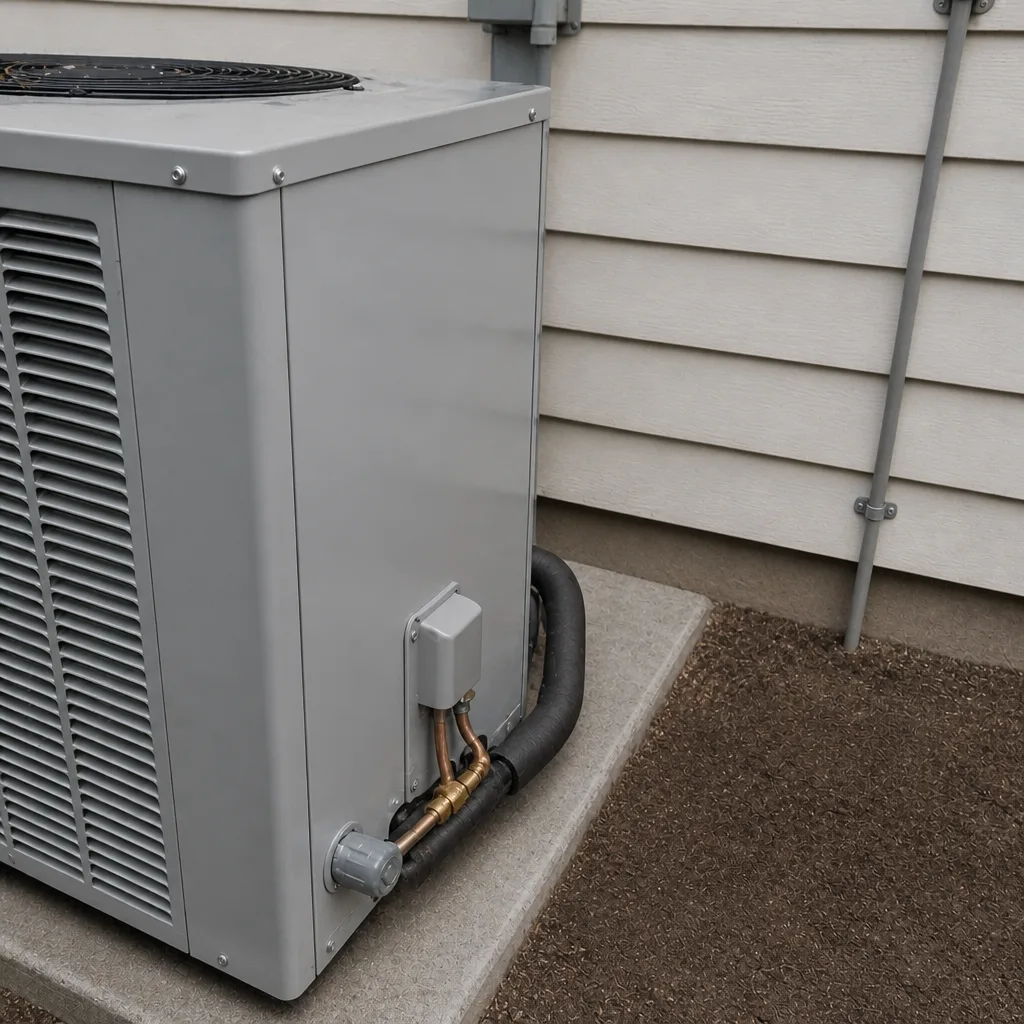
- Visible ice or frost on the refrigerant lines at the outdoor unit
- Ice on the copper line where it enters the house
- The outdoor fan running but the compressor short-cycling
- Air that feels cold at the vent but never cools the room
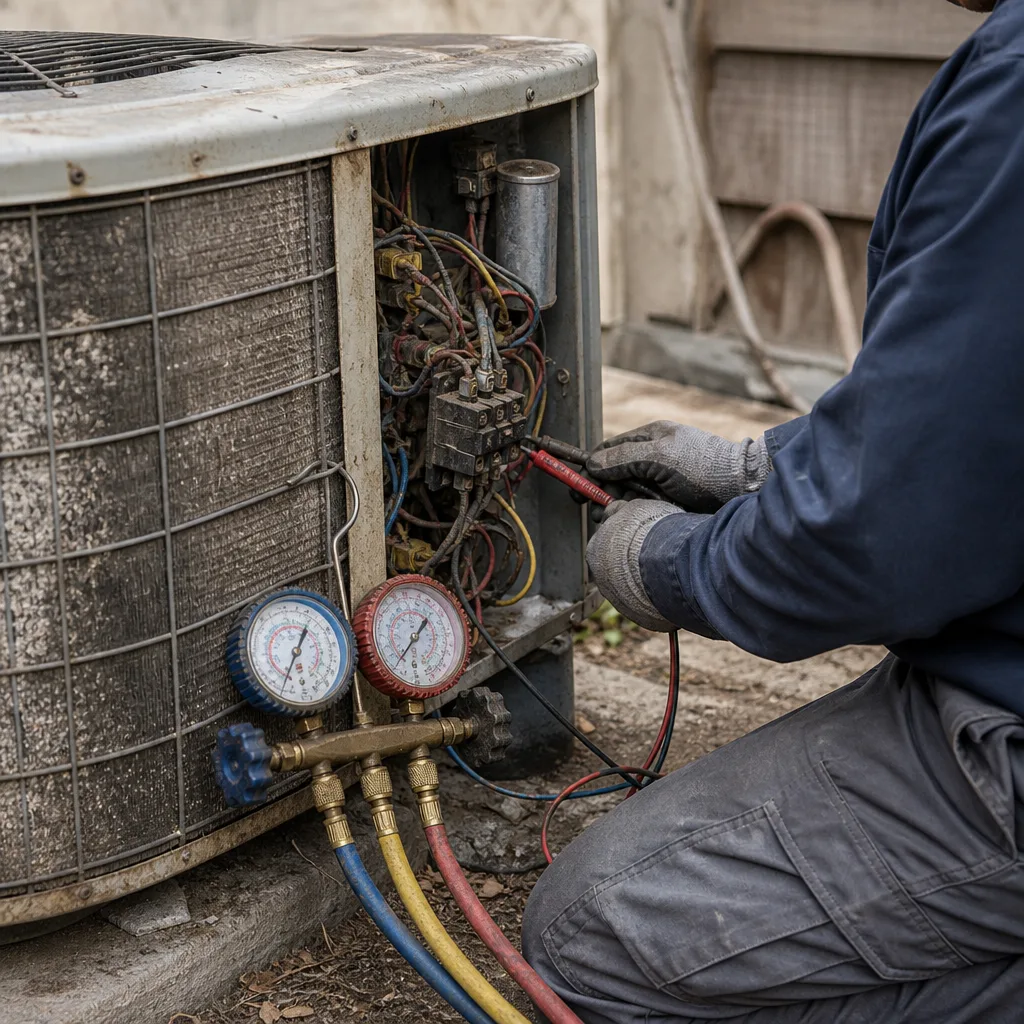
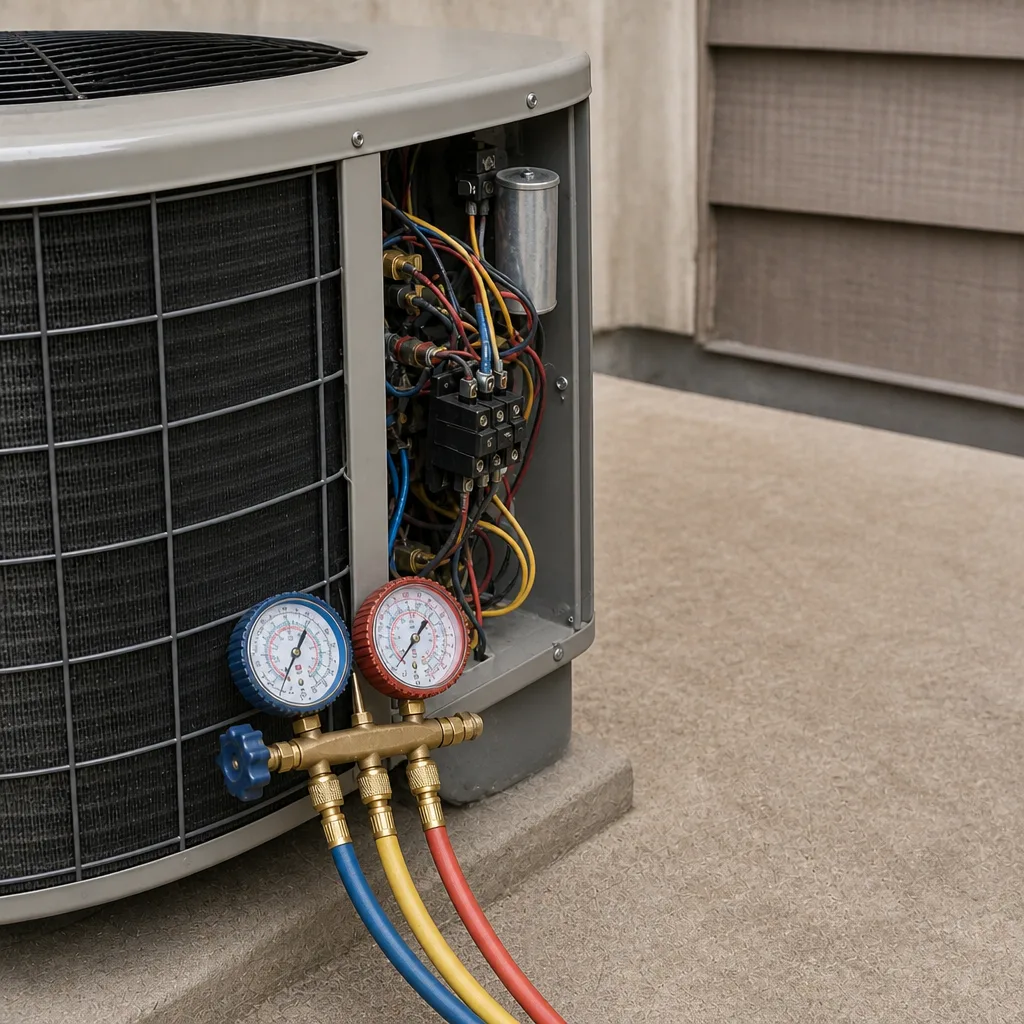
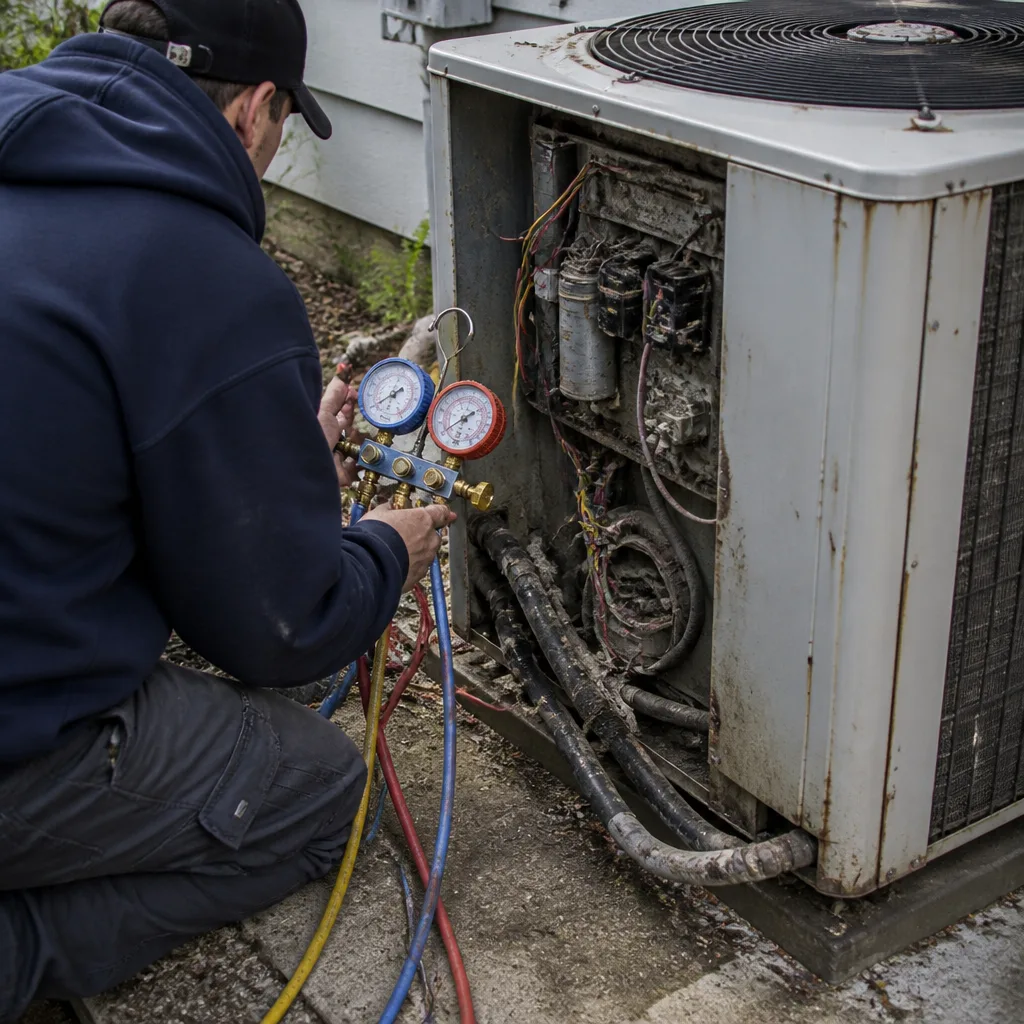
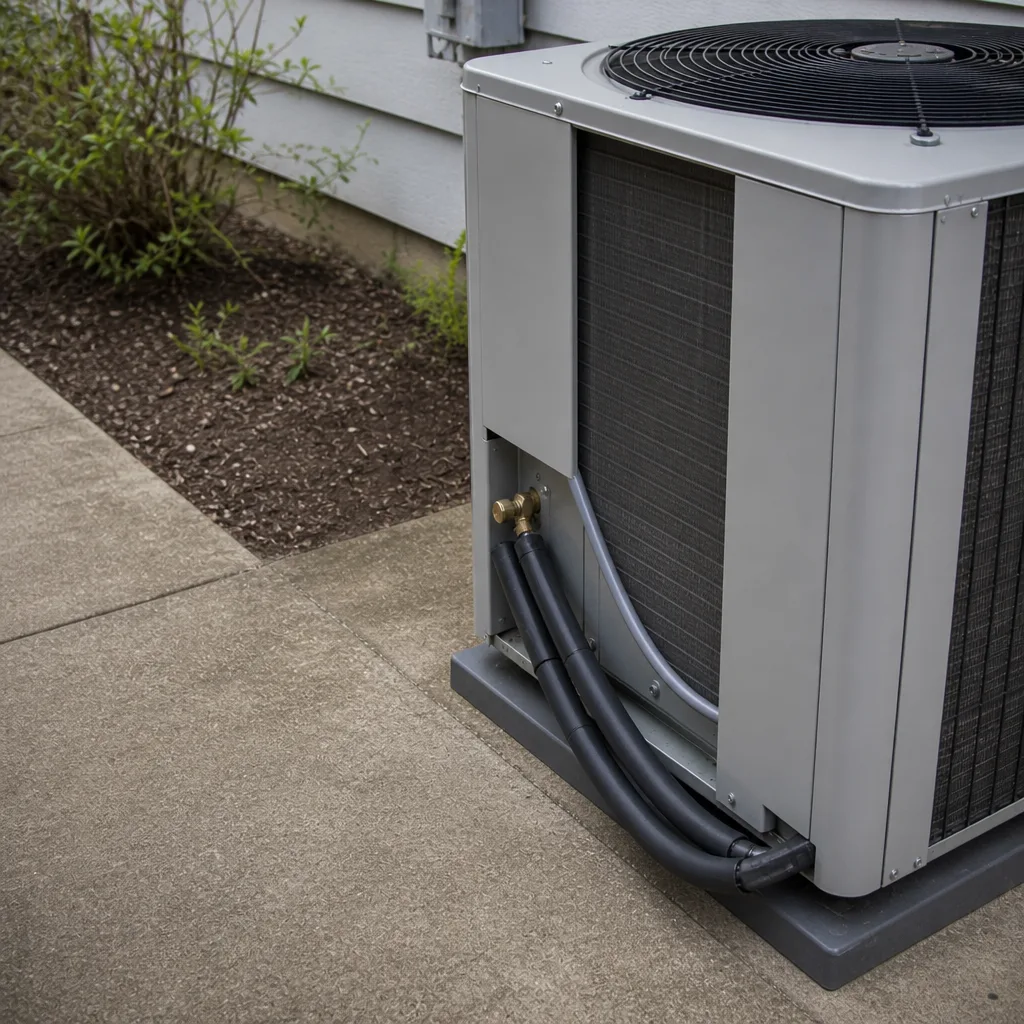
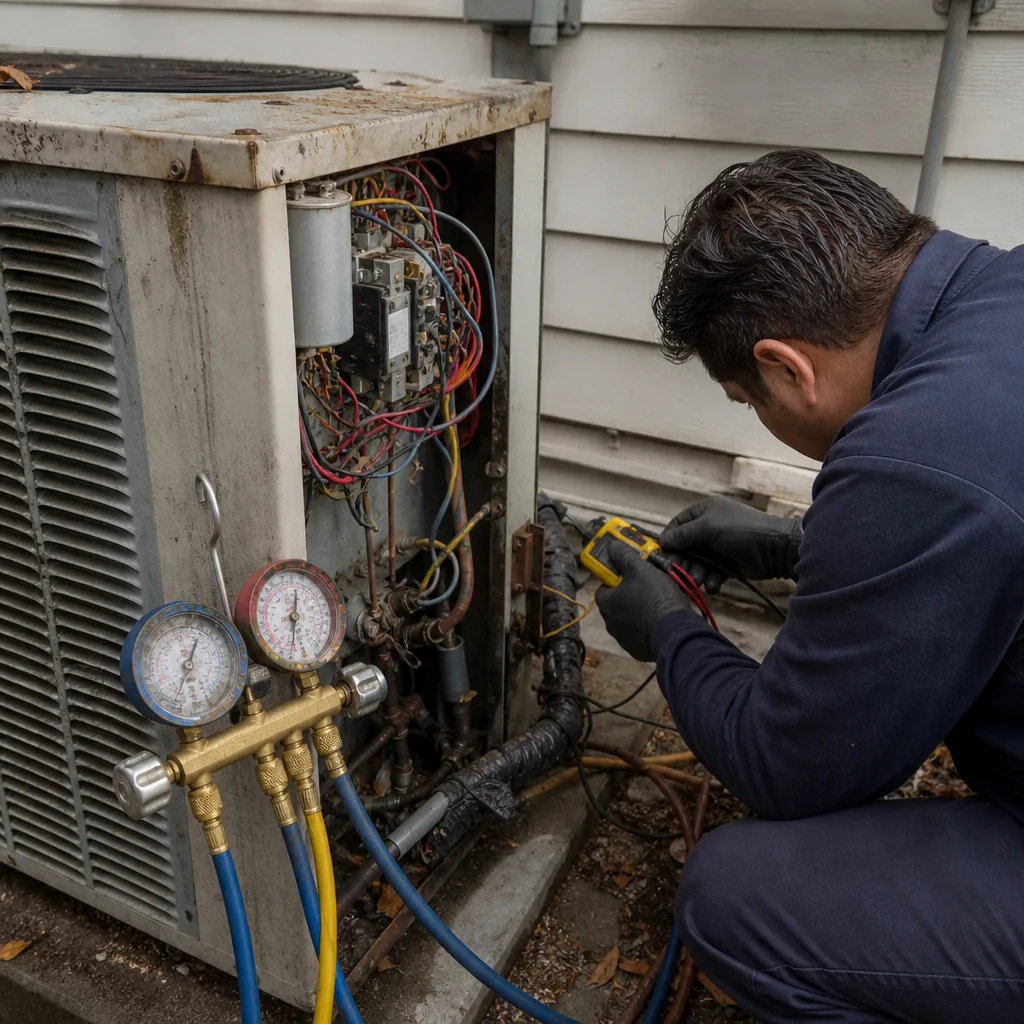
In our experience working San Mateo installs, charge errors are the more common of the two after a fresh installation. They’re also the more urgent, because ice on the lines stresses the compressor every hour the system runs. If you’re seeing any of those symptoms, stop running the system and get a technician out. A charge error is not something to troubleshoot yourself; the refrigerant circuit is a closed, pressurized system that requires gauges and training.
Why is the new system losing cooling before it reaches the room?
This is the silent culprit behind a lot of new-install complaints: ductwork leakage. On a brand-new install that reused or retrofitted the existing ducts in an older San Mateo home, a large share of the cooling can be lost before the air ever arrives at the register. The numbers vary with the house, but the effect is real and it looks exactly like an undersized system.
Here’s the mechanism. A new condenser is sized for the home’s calculated load. The duct system is an older one that was built for the previous equipment, sometimes decades ago, sometimes with loose joints, disconnected flex runs, or a return that’s starved. Cool air leaks into the attic, the crawl space, or the wall cavity and never reaches the room. The system works harder and longer to pull the house down, and the thermostat may never see the temperature the room actually feels.
You can spot a duct problem without tools:
- Put your hand near the register. If cold air is weak or diffuse, airflow is being lost upstream.
- Check the room is actually sealed. A door with a gap at the bottom, an open window, or a leaky attic hatch lets cooled air escape as fast as it’s delivered.
- Listen at the doors between rooms. A distinct whistling or rushing sound suggests pressure imbalance and duct loss.
- Feel the return grille. A weak return starves the system, and the return is often the most undersized part of an older install.
If a new Trane, Lennox, or Goodman system goes in and the house still feels half-cooled, the equipment isn’t the problem. The ductwork is. A proper post-install troubleshooting call should include a duct check, not just a refrigerant check.
Where should the thermostat be in an open-floor-plan home?
Thermostat placement is a quiet killer of new-install comfort, and it bites hardest in Bay Area open-floor-plan remodels. Put the stat near the kitchen or in a south-facing hallway and the system will misread the whole house. It cools based on a sensor that’s baking in afternoon sun or fighting oven heat, so the rooms that need cooling stay warm while the stat reads “satisfied.”
The classic placement errors in San Mateo homes:
- South- or west-facing interior wall: afternoon sun turns the wall into a false heat source. The stat reads high and the system runs, but the shaded rooms get over-cooled trying to satisfy the stat.
- Near the kitchen: a stat within a few feet of the range or oven reads cooking heat and runs the compressor unnecessarily.
- In the direct path of a supply register: the stat gets blasted with the cold air it’s trying to measure and shuts off early, leaving the rest of the house warm.
- In a hallway interior wall by a door: the door draft and return pressure throw the reading off.
- On the return-air side of a bedroom door: the stat reads the room, not the house, and the open-floor-plan rooms drift.
The fix is usually relocation to an interior wall away from kitchens, appliances, and direct sun, sometimes paired with a remote sensor. The temptation is to crank the stat down to force the system; that doesn’t fix a misread, it just makes the compressor run longer. If your stat sits in any of those spots after a remodel, flag it during your callback visit.
What should I gather before the 30-day callback window closes?
Installers often have a callback window in the contract, commonly around 30 days, and after that a return visit can become a warranty service call or a billable diagnosis. What you gather before that window closes is what makes the visit productive. Don’t assume the installer remembers your job; assume the paperwork is the memory.
Gather these before you call:
- Installation date and the name of the contractor and technician.
- Permit number, if one was pulled. Most cities require a permit for a system replacement; if yours didn’t, that’s worth asking about directly.
- Model and serial numbers of both the indoor and outdoor units. They’re on the rating plate, and they tell the technician exactly what’s installed.
- A symptom log with timestamps and the outdoor temperature each time. “Warm at 3pm, 82°F outside, setpoint 74°F, system hasn’t shut off since 1pm” is worth more than “it doesn’t cool.”
- Room-by-room readings taken with a thermometer, so you can show where the house is warm and where it’s fine.
- Photos of any icing on the refrigerant lines, taken before it melts.
Bring the written log to the call, not your memory of it. If the tech shows up, reads a normal delta at the vent, and says “it’s working,” the log is what moves the conversation from opinion to evidence. During the visit, ask specifically what the indoor/outdoor split was, whether the charge was weighed in or added by gauge, and whether the duct system was checked. Those answers belong on the service ticket.
When is the problem outside the installer’s scope?
Some post-install problems get dismissed because they aren’t the AC’s fault, but they aren’t your fault either. Two come up again and again: an undersized electrical circuit and inadequate attic ventilation. The HVAC installer may install the equipment correctly and still not flag these, because neither is part of the cooling equipment itself.
On the electrical side, a new system can draw more starting current than the old one, and if the circuit or breaker wasn’t upsized to match, you’ll see nuisance trips, a compressor that cuts out on hot afternoons, or a breaker that needs resetting. That’s an electrical problem, not a refrigerant problem, and it needs a licensed electrician. We don’t do electrical work, so we tell homeowners to get it checked by a licensed electrician rather than keep resetting the breaker. Repeated breaker trips on a cooling system are a safety item and should not be ignored.
On the ventilation side, an under-ventilated attic traps heat and the cooling has to fight a hotter ceiling than the load calculation assumed. Symptoms are simple: the rooms stay warm, the system runs long, and the attic itself is baking. Proper attic ventilation may need a roofer or attic specialist; it’s outside the AC installer’s warranty scope and often outside their trade entirely.
Other out-of-scope items to watch for after a fresh install:
- A return-air path that’s undersized and was never modified
- Windows and doors with air leaks that defeat the new system
- A blocked condenser that’s hemmed in by a fence or landscaping
- A thermostat that needs a common wire the installer didn’t run
The honest framing we give homeowners: the equipment is our trade, and the electrical circuit and the attic are not. A specialist who tells you which part of the problem they can and can’t fix saves you a wasted visit.
How to run the thermometer test yourself
You can do a meaningful diagnostic with a thermometer, a notebook, and a few minutes at each register. Here’s the sequence:
- Set the thermostat to a temperature below the room’s, and let the system run for at least ten minutes so it settles.
- Measure the return air at the return grille with the thermometer.
- Measure the supply air at the register closest to the indoor unit. Write both numbers down.
- Subtract the supply from the return. A healthy system should show a meaningfully cooler supply than return. A small gap or a warm supply means the cooling isn’t reaching the room.
- Repeat at the farthest register and at the register in the room that stays warm. Compare the gaps. A large difference between the near and far register points at duct loss.
- Log the outdoor temperature at the same moment, since a hot afternoon will widen the gap.
Do the test in the middle of the afternoon, not at 8am, because the system’s failure mode shows up under load. Run it on a couple of different days and write the results down. If the gap is consistently small, that’s a charge or equipment problem. If the gap is fine up close but poor at the far register, that’s ductwork. If the gap is fine but the house is still warm, that’s thermostat placement or sizing.
Common Mistakes to Avoid
- Accepting “it’s working fine” as an answer. If the tech reads a normal delta and leaves without checking duct loss and thermostat placement, ask for both to be recorded on the ticket. A cold vent proves the system makes cold air; it doesn’t prove the house gets cooled.
- Cranking the thermostat to force the system. On an undersized or mischarged system, setting it lower only extends the run cycle. On a charge error, it drives the compressor harder while it’s already stressed. Leave it at a normal setpoint and fix the underlying problem.
- Skipping the permit. Most cities require a permit for a system replacement. If your installation didn’t pull one, ask why, and check with your city’s building department before work is signed off. It affects both code compliance and any future warranty conversation.
- Assuming a brand-new system can’t be the problem. The equipment is usually fine. The errors live in charge, sizing, ducts, and stat placement, which are all install-time decisions. A new Trane or Rheem is only as good as the install behind it.
- Waiting out the hot season to report it. Report symptoms in writing within the callback window, even if you can live with them for a few weeks. Once the window lapses, the visit can become a service call rather than a warranty return.
- Ignoring a breaker that trips. A cooling system on a starved electrical circuit is an electrical safety issue. Do not keep resetting it; get a licensed electrician to check the circuit.
- Blaming the AC for an attic heat problem. An under-ventilated attic sits outside the cooling equipment. If the ceilings are hot and the attic is baking, the fix may be ventilation, not refrigerant.
See the difference
 Before
 After
 Before
 After
 Before
 After
When to Call a Professional
Call a specialist when you see icing on the refrigerant lines, when the house stays warm after a fresh install despite a long run cycle, when you can’t get a room-by-room delta that makes sense, or when the thermostat trips repeatedly or the breaker trips. Also call if your installation’s callback window is approaching and you haven’t been able to resolve the complaint on your own evidence. Refrigerant work is not a DIY job; the circuit is pressurized and requires gauges and training, and a mistake there can damage the compressor.
For heating-side problems, the same logic applies: a furnace that fires but doesn’t heat the house needs diagnosis, not fiddling. If you’re dealing with a failing furnace rather than a new AC, we also handle furnace repair, so one call covers both sides of the system. AC Repair San Mateo offers free estimates in San Mateo, and our technicians have up to 9 years of experience. Call (866) 260-3183. We answer 24/7. Fast dispatch from 7am to 7pm, Sunday through Friday.
Frequently Asked Questions
Constant running without reaching the setpoint usually points to either an undersized system or a refrigerant charge error. Check for icing on the outdoor lines (charge error) versus normal-looking lines and a persistent warm house (sizing or duct loss). A small temperature gap between return and supply confirms it’s not delivering cooling. Call (866) 260-3183 for an exact diagnosis; estimates are free.
If the register closest to the indoor unit blows strongly cold but the far rooms are weak and warm, the problem is ductwork. If the near register is also weak or warm, it’s charge, sizing, or the unit itself. Run the thermometer test in the afternoon and log both readings. A free estimate can confirm which side of the system is failing.
Yes, especially in open-floor-plan homes where the thermostat sits near a kitchen, in a sun-facing hallway, or in the direct path of a supply register. The stat reads a false temperature and the system satisfies the wrong room. Relocation is usually a modest fix and worth raising during your callback visit. Call (866) 260-3183 to book an assessment.
No. A correctly sized and charged system should hit its setpoint the first afternoon it runs under load. If it’s still struggling after a full weekend, that’s a diagnosable install defect, not a break-in period. Document the symptoms with timestamps and outdoor temperatures before calling.
Two common ones: an undersized electrical circuit that trips repeatedly (needs a licensed electrician, not an HVAC tech), and inadequate attic ventilation that traps heat above the living space. Neither is part of the cooling equipment, so it’s easy for an installer to skip them. Ask directly whether the circuit and the attic were checked.
Most cities require a permit for a system replacement, and San Mateo is no exception. Ask your installer for the permit number, and if there isn’t one, check with the city’s building department before you sign off. A permit also protects you if you ever need to sell the home or make a warranty claim. Call (866) 260-3183 if you want the installation checked against the permit record.
The Bottom Line
Most post-installation AC complaints aren’t equipment failures; they’re installation errors that pass inspection and surface as comfort problems weeks later. Sizing, charge, duct loss, and thermostat placement account for the lion’s share, and each has a distinct signature you can spot with a thermometer and a written log. The window to raise it in writing is short, so document the symptoms with timestamps and outdoor temperatures before the callback window closes. If the problem is outside HVAC scope, like an undersized circuit or a hot attic, a good specialist will tell you so instead of guessing. If you’re anywhere in San Mateo and your new system isn’t behaving, or you need AC repair in San Mateo, call (866) 260-3183 for a free estimate.
Written by the team at AC Repair San Mateo.