
Last updated November 16, 2026
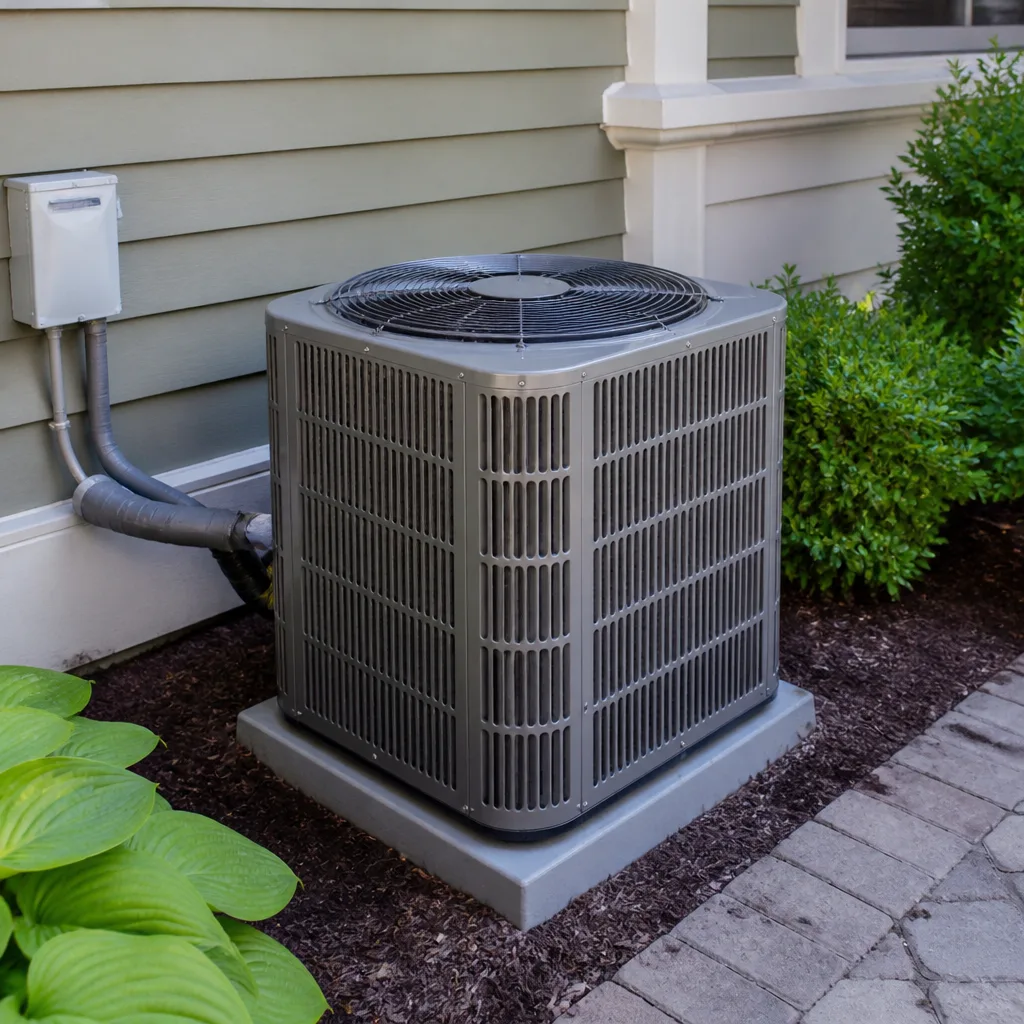 AC repair
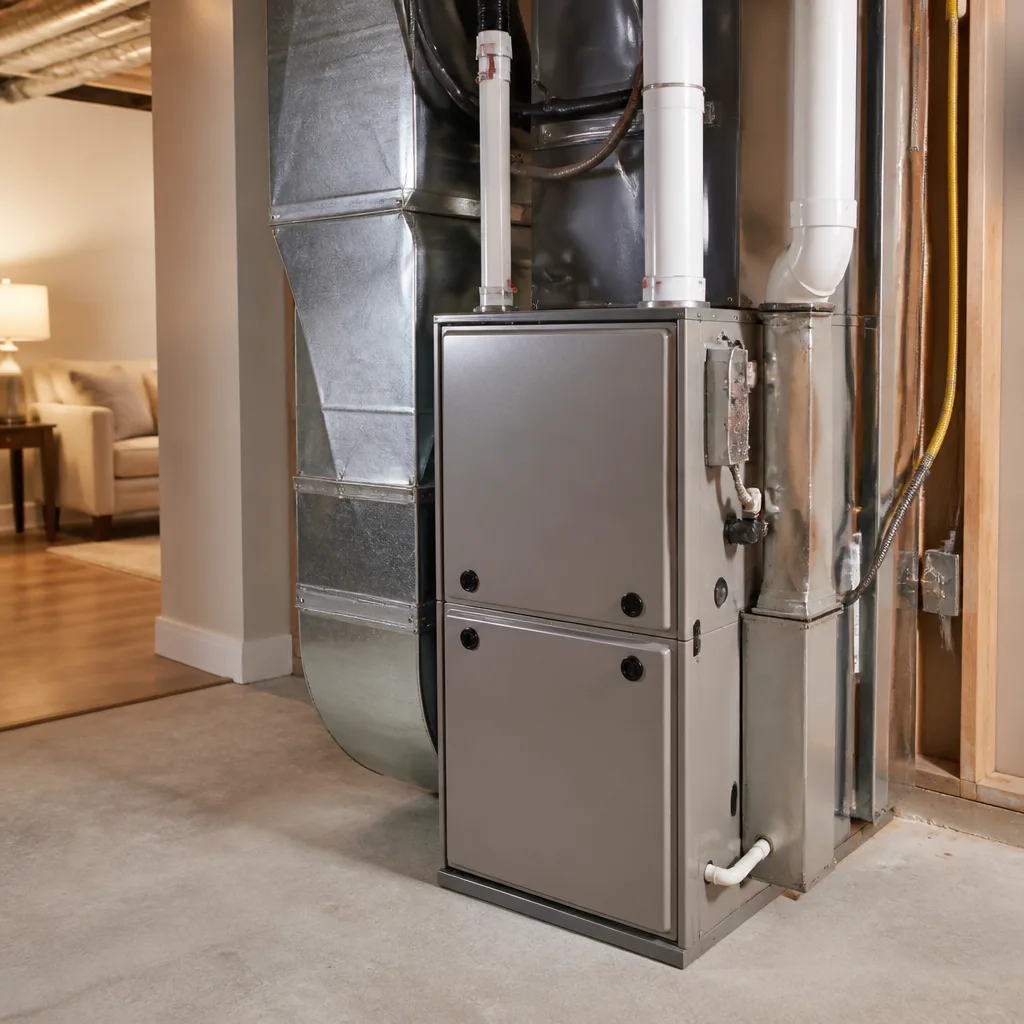 Furnace & heating
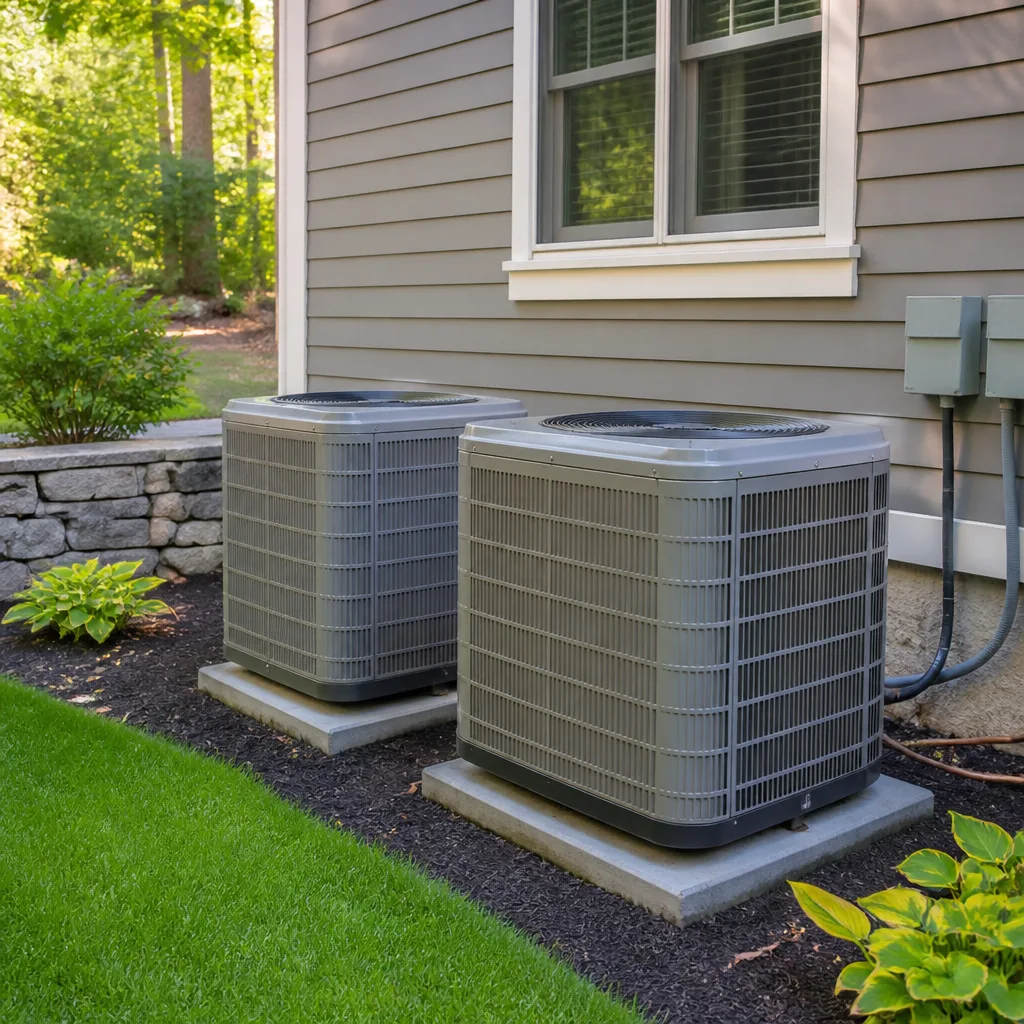 Heat pumps
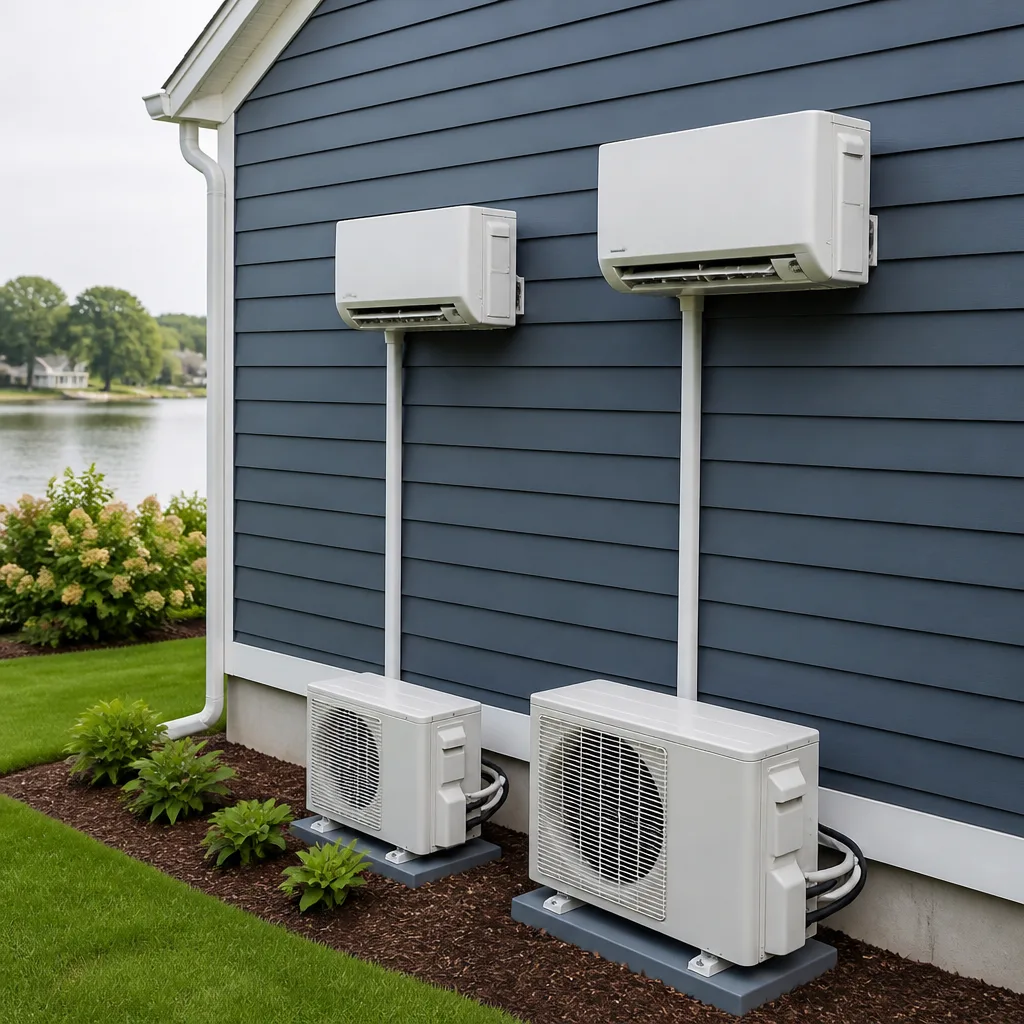 Ductless mini splits
 Carrier
 Trane
 Goodman
Seasonal tune-up and full diagnostic on your Carrier, Trane, or Goodman system - readings shown to you before any repair is proposed
Diagnosis first, numbers second - you approve the repair price before a single part goes in.
Get your free estimateHVAC Warning Signs: A San Mateo Homeowner’s Reference Guide
A short-cycling air conditioner in San Mateo gets blamed on refrigerant more often than any other cause, and that blame is usually wrong. When a coastal home runs in dehumidification mode through a 65°F August afternoon, the system cycling on and off every few minutes is more likely telling you about airflow or an oversized unit than a slow leak. That distinction matters, because one points to an inexpensive fix and the other can lead to a compressor replacement. This guide walks through what each HVAC warning sign actually means mechanically, which ones signal immediate failure risk, which signal gradual efficiency loss, and how to describe what you’re hearing and seeing so a technician can diagnose the system in front of them instead of guessing. You’ll also learn how to read your utility bill as an early indicator and how to tell a refrigerant problem from bearing wear from a duct pressure issue.
Quick Answer
The most serious HVAC warning signs in San Mateo are ice on the indoor or outdoor coil in mild weather, a compressor that runs constantly without cooling, musty or burning smells, and rhythmic metallic noises. These can mean compressor damage is already underway. Gradual signs like a 15 – 20% jump in your PG&E bill, longer run times, or uneven room temperatures usually point to efficiency loss you can monitor for a week or two. When in doubt, a free estimate tells you which category your system is in before you spend anything.
Styles & brands we work with
- AC repair
- Furnace & heating
- Heat pumps
- Ductless mini splits
- Carrier
- Trane
- Goodman
Table of Contents
- How to Read a Warning Sign: The Diagnostic Logic Most Guides Skip
- Immediate Failure Risk vs. Gradual Efficiency Loss
- Coastal Warning Signs: Condensate, Coil Icing, and Musty Odors
- Using Your PG&E Bill as a Leading Indicator
- What the Sounds Mean: Refrigerant vs. Bearings vs. Duct Pressure
- Which Signs to Monitor and Which Need Same-Day Service
- Brand-Specific Nuances Worth Knowing
- Common Mistakes to Avoid
How to Read a Warning Sign: The Diagnostic Logic Most Guides Skip
A warning sign is a symptom, not a diagnosis. That sounds obvious until you read most HVAC guides, which present a list of signs with no explanation of what each one tells a technician. When we arrive at a home in San Mateo, the first thing we do is translate the symptom into a mechanical system: which component is failing, and what’s the causal chain from there. A homeowner who understands that chain can describe the problem accurately and can also recognize when a recommendation doesn’t match the evidence.
Here’s the logic in three steps:
- Symptom. What you observe: warm air from the vents, a noise, ice, a smell, a bill spike.
- Mechanism. What could produce that symptom: low refrigerant charge, restricted airflow, a failing capacitor, a blower problem, a control board fault.
- Test. Which measurement confirms or rules out each mechanism: static pressure, superheat and subcooling, amp draw, temperature split across the coil.
When a technician skips step 2 and jumps from symptom to a parts recommendation, you should ask what test confirmed the diagnosis. A low refrigerant charge and a clogged filter can produce nearly identical cooling complaints. One calls for a leak search and recharge; the other calls for a filter change and possibly a blower check. The difference in cost and urgency is enormous. This is why our technicians work on the brand you already have rather than pushing toward one they sell. A York or Daikin system with a restricted return gets the same airflow test as anything else, and the answer comes from the measurement, not the badge on the cabinet.
Immediate Failure Risk vs. Gradual Efficiency Loss
The urgency framing matters more than almost anything else in this guide, because it’s what drives your budget decisions. Some warning signs mean the compressor could seize in days. Others mean the system is quietly wasting 10 cents on every dollar you spend, and you have weeks to plan. Sorting a symptom into the right category keeps you from paying for emergency work you didn’t need, and equally from waiting on a problem that destroys a system.
Signs that signal immediate failure risk
- Ice on the indoor coil or the outdoor unit in mild weather (above 60°F). This often points to low refrigerant or restricted airflow, and running the system in this state risks liquid refrigerant returning to the compressor.
- The compressor runs constantly but produces no cool air. Could be a capacitor, contactor, or worse, a failing compressor.
- A burning or acrid electrical smell. Stop the system and call. This is a potential safety issue, not a maintenance item.
- Loud metallic clanking or grinding, especially at startup. Bearings or internal compressor parts are involved.
- Tripping the breaker repeatedly. This points to a failing compressor, a shorted motor, or a wiring fault. Electrical panel and high-voltage work should only be handled by a trained professional.
Signs that signal gradual efficiency loss
- Run times that creep longer over a season while temperatures stay the same.
- Uneven cooling between rooms, or one floor never quite keeping up.
- A utility bill that climbs 15 – 20% with no change in usage habits.
- Mild musty odors that come and go.
- Condensate pooling under the indoor unit.
Those gradual signs are worth monitoring for a week or two while you gather observations. The immediate signs are not worth waiting on. A compressor is the single most expensive part in a residential system, and the damage from running through an ice-up or a locked rotor isn’t reversible. If you’re not sure which category you’re in, call (866) 260-3183. We answer 24/7. Fast dispatch from 7am to 7pm, Sunday through Friday. A free estimate settles the question with a measurement rather than a guess.
Coastal Warning Signs: Condensate, Coil Icing, and Musty Odors
San Mateo’s climate creates a specific set of HVAC warning signs that inland guides don’t cover well. Our summers hover in the 60s and low 70s rather than pushing into the 90s, and our winters are mild. That sounds easy on a system, and in some ways it is. But it also means the equipment runs differently here: shorter cooling cycles, longer shoulder seasons where the system barely works, and a lot of indoor humidity that a system in a drier climate never sees.
Excessive condensate
A system pulling moisture out of warm, humid air produces condensate, and in San Mateo homes that moisture load can be steady even when the outdoor temperature looks mild. Pooling water under the indoor unit, a drain pan that never fully empties, or a musty smell near the air handler all point to condensate that isn’t draining. The cause is often a clogged drain line, a clogged trap, or algae growth in the line. Left alone, a backed-up drain can damage the cabinet, the surrounding floor, or in an attic install, the ceiling below.
Coil icing in mild weather
Ice on a coil when it’s 68°F outside is not normal, and it’s one of the clearest diagnostic signals a technician can get. Restricted airflow from a dirty filter or a return that’s undersized produces the same low-pressure condition a refrigerant leak does. In our experience, the airflow side of that equation is checked far less often by generalists who treat HVAC as a side trade. Low refrigerant and low airflow look identical at the thermostat, but they call for completely different repairs. The test is pressure and temperature measurement at the coil.
Musty odor patterns
Musty smells that show up when the fan starts and fade as it runs point to biological growth on the evaporator coil or in the drain pan. Smells that stay constant might be duct issues. Smells that spike in fall when you first switch to heat point to dust burning off the heat exchanger, which is normal for the first run or two but not on an ongoing basis. If a musty odor persists, something is wet that should be dry, and the condensate system is the first place to look.
Homeowners in neighborhoods like Hillsdale, Baywood, and Central Park deal with these condensate and odor issues more often than the temperature-driven failures you’d expect from hotter parts of the state. Our AC Repair San Mateo work leans heavily on moisture and airflow diagnosis for exactly this reason.
Using Your PG&E Bill as a Leading Indicator
Your utility bill is the earliest warning signal a homeowner has, and it usually arrives before you notice anything physical. A system losing efficiency spends more energy to hit the same indoor temperature, and that shows up in the meter before it shows up as a complaint. The trick is knowing what a spike actually points to.
What a 15 – 20% unexplained spike usually means
If your bill climbs 15 – 20% with no change in habits, weather, or rate structure, the most common causes are, in rough order of likelihood:
- Dirty filter or restricted return. Reduced airflow forces the system to run longer to move the same amount of air. The cheapest fix on this list, and often the actual cause.
- Degraded condenser coil. A coil packed with debris rejects heat less efficiently, so the compressor works harder and draws more amps.
- Failing capacitor or contactor. A weak capacitor makes the compressor and fan motors hard to start, which shortens life and raises amp draw.
- Partial refrigerant loss. Less refrigerant in the circuit means less cooling capacity for the same run time. A slow leak is the usual culprit.
- Duct leakage. Conditioned air that escapes before it reaches your rooms is money spent on the outdoors.
How to read the pattern
A sudden one-month spike often points to a component failure. A gradual climb over three or four billing cycles usually points to efficiency decline that built up slowly: a dirty coil, a worn blower, an aging system approaching the end of its useful life. A bill that spikes at the same time every year is usually weather, not the HVAC system. Comparing the same month year over year tells you whether the change is the equipment or the season. If the pattern doesn’t narrow down, a technician can measure actual amp draw and temperature split against spec, which tells you whether the system is running as designed or not. You can read more about our furnace repair side for the heating-season version of the same analysis.
What the Sounds Mean: Refrigerant vs. Bearings vs. Duct Pressure
Sound is one of the most useful diagnostic signals an HVAC system gives you, and one of the least understood. Here’s a plain-language audio reference. Record a short video on your phone when you hear a noise, and it’ll help any technician, including ours, narrow down the cause before arrival.
Sounds that point to refrigerant issues
- Hissing at the indoor or outdoor unit. Often a leak at a fitting or a Schrader valve. A continuous hiss at the metering device can also be normal refrigerant flow, which is why the technician listens, gauges up, and confirms.
- Bubbling or gurgling. Usually refrigerant moving through the lines when charge is low, or a sign of a leak in progress. Not the same as the quiet rush of normal flow.
- Clicking at the contactor. The contactor clicking repeatedly without the compressor starting often means the system is trying to start and failing. That’s an electrical issue as often as a refrigerant one.
Sounds that point to bearing wear or mechanical failure
- Grinding or squealing from the outdoor fan. Fan motor bearings on the way out.
- Rhythmic clanking from the compressor. Internal hardware. Shut it down and call.
- A scraping sound at startup. The blower wheel or fan blade is hitting the housing, which can happen when a bearing fails.
- Rattling from the cabinet. Often a loose panel, but sometimes vibration from a failing motor mount. Worth having checked.
Sounds that point to duct pressure problems
- A whistling at supply or return registers. The vent is undersized or the static pressure is too high, and air is squeezing through a tight opening.
- A rushing or whooshing that changes when you close a door. Classic return-air starvation. The system can’t get enough air to move.
- A popping or booming when the system starts. Duct pressure flexing sheet metal or flex duct, usually a sign of static pressure problems.
In our experience, the duct pressure category gets missed most often, because the noise doesn’t sound “mechanical.” A whistle at a bedroom vent in a San Mateo home is often the first clue that a system is starving for return air, which then drives the coil icing we talked about earlier. One root cause, three separate symptoms across the noise, comfort, and utility bill categories.
Which Signs to Monitor and Which Need Same-Day Service
Here’s the practical decision rule. A sign belongs in the monitor group if the system is still producing conditioned air, there’s no ice, no burning smell, no breaker tripping, and no loud mechanical noise. Give it a week, note the pattern, keep the filter clean, and see if it settles. A sign belongs in the call-today group if any of those exceptions apply. Ice, burning smell, breaker trips, a compressor that won’t start, or clanking from inside the outdoor unit all point to damage that can accelerate. Same-day service exists for exactly this.
To make that decision, run through this sequence:
- Check the filter. A dirty filter is the single most common cause of the gradual symptoms on this list. Replace it and see if the symptom persists for 24 hours.
- Look at the outdoor unit while it runs. Ice on the coil, a fan that isn’t spinning, or a compressor that hums for a few seconds and stops all point to same-day service.
- Smell the air at the return. Musty is monitor-able. Burning or acrid is not.
- Check the breaker. One trip is worth watching. Two trips in a day is a call.
- Listen for 30 seconds at startup. Grinding, clanking, or a loud pop from the outdoor unit means shut it down.
When a symptom fails the monitor test, call (866) 260-3183 and describe what you saw or heard. We answer 24/7. A call outside dispatch hours is booked into the next opening, Sunday through Friday, 7am to 7pm. Because heating and cooling is all we do, the person on the phone can usually tell you whether the issue is a call-today or a schedule-for-later before anyone gets in a truck. Fast dispatch from 7am to 7pm gets a technician to a San Mateo home the same day for genuine failures.
Brand-Specific Nuances Worth Knowing
Residential HVAC equipment shares far more than it differs, but there are real brand-level nuances that affect how a warning sign reads. We work on nine major brands, which means the technician diagnoses the system in front of them rather than reaching for the same playbook on every call. A few examples worth knowing.
Bryant and Carrier systems share a lot of architecture, so a technician familiar with one generally knows the other. The common homeowner-visible warning sign on older Bryant condensers is a run capacitor that fails before anything else, which produces the “hums and stops” pattern we mentioned in the sounds section. If you have a Daikin system, the inverter-driven compressor on many models runs at variable speeds, which means “short-cycling” can actually look like normal operation on a mild day. A Daikin that ramps up and down smoothly is doing its job, whereas a single-stage system doing the same thing is a red flag.
American Standard and Trane share engineering, and both are built around durable compressors that can still fail if the system runs icing conditions for too long. The warning sign on these is often a slightly longer run time than usual before anything more obvious appears. Lennox, Rheem, Goodman, and York all have their own control board configurations and known fault codes, and a technician who reads the board first saves a lot of guessing.
What all of this means for a homeowner is simpler than it sounds. If you’re in San Mateo and your system is showing a warning sign, a brand-agnostic technician will diagnose it based on the symptom and the test, not on which brand they prefer to sell. We can service, repair, or replace virtually any major residential HVAC system regardless of brand or age, and our recommendations are driven by your home and budget. For the cooling side, our AC installation capability pairs with the same diagnostic approach – match the equipment to the home, not to a dealer quota. You can also read more about the area we serve on our San Mateo page.
Common Mistakes to Avoid
- Blaming refrigerant for everything. A large share of cooling complaints in San Mateo homes trace back to airflow or a failing electrical component, not a leak. Asking “was that confirmed with a gauge reading?” before approving a recharge is the single best filter against unnecessary work.
- Waiting out an ice-up. If the indoor or outdoor coil is iced in mild weather, running the system isn’t going to fix it and can damage the compressor. Ice is a call-today sign, not a monitor sign.
- Ignoring the utility bill. A 15 – 20% PG&E spike with no usage change is often the earliest warning a system gives. By the time the homeowner notices a comfort symptom, the bill has usually been telling the story for a month or two.
- Treating a whistling vent as “just noise.” Duct pressure problems are real airflow problems, and they drive coil icing, higher bills, and a harder-working blower. Whistling at a register is worth a look.
- Chasing brand loyalty instead of measurement. A technician who only works on one brand will see every problem through that brand’s lens. Ask what test confirmed the diagnosis, not what brand they recommend.
- Never writing down what you’re seeing. “It makes a noise sometimes” is much harder to diagnose than a 10-second video with a time stamp. Your observations are diagnostic data already – capture them.
- Calling a generalist for an HVAC-only symptom. A handyman rotating between plumbing, electrical, and HVAC jobs often doesn’t carry the gauges or the static pressure tools to confirm a refrigerant or airflow diagnosis. Specialized focus shows up in the quality of the diagnosis.
See the difference
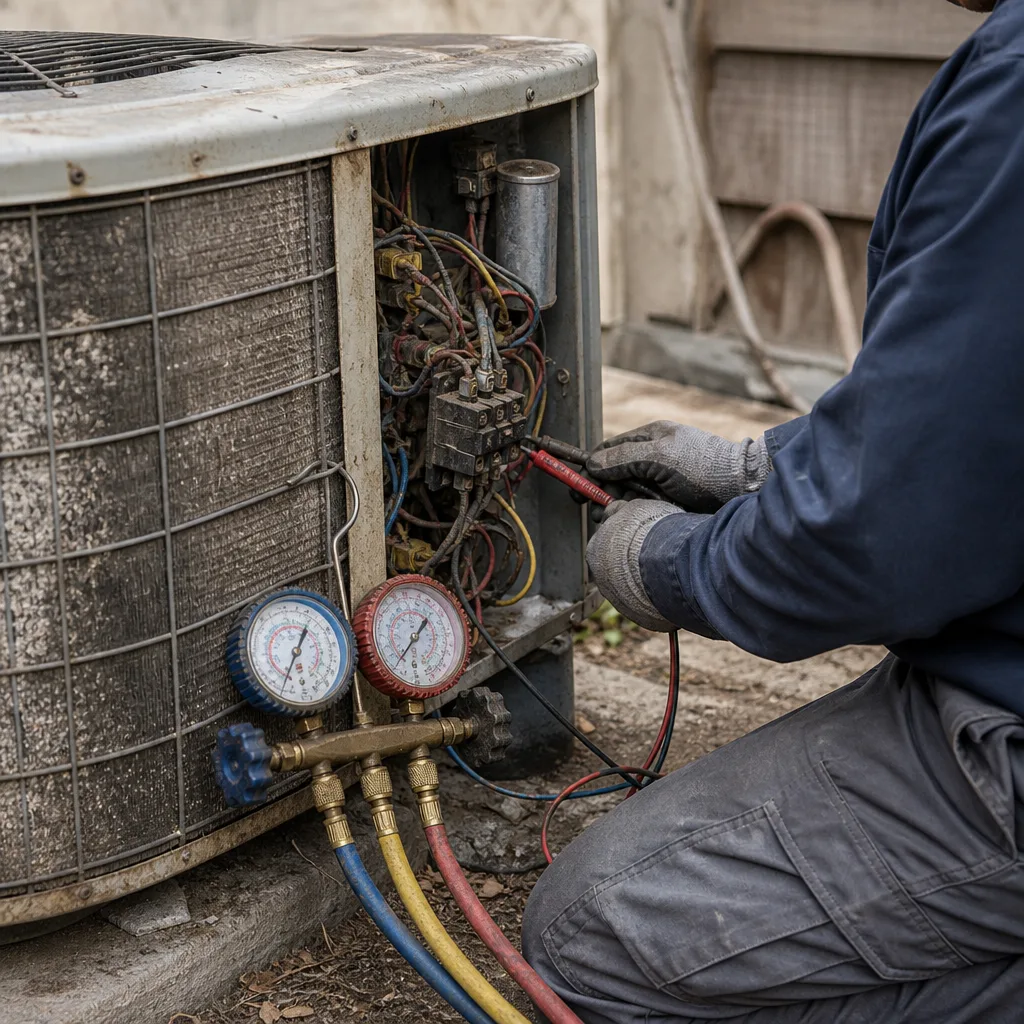 Before
 After
 Before
 After
 Before
 After
When to Call a Professional
Call for a professional diagnosis when any of the following applies: ice on either coil, a burning or acrid smell at the return, a breaker that trips more than once, a loud mechanical noise from the outdoor unit, a compressor that won’t start, or a persistent musty odor that survives a filter change. Those are the failure-risk signs. For gradual signs – a slow bill climb, a longer run time, uneven room temperatures – a scheduled visit is fine and costs nothing to price out. AC Repair San Mateo offers free estimates in San Mateo. We’re a focused HVAC team, so every call is a heating-and-cooling specialist, not a general contractor with a wrench and a gauge. Our technicians have up to 9 years of experience and diagnose the system in front of them. Call (866) 260-3183. We answer 24/7. Fast dispatch from 7am to 7pm, Sunday through Friday.
Frequently Asked Questions
The most serious signs are ice on the indoor or outdoor coil in mild weather, a burning electrical smell, a compressor that hums and stops, a breaker that trips repeatedly, and loud metallic clanking. Each of these points to damage that can accelerate within days if the system keeps running. Call (866) 260-3183 for an exact quote on the diagnosis – estimates are free.
Short-cycling in mild San Mateo weather usually points to restricted airflow, an oversized unit, or a control issue rather than a refrigerant leak. On a coastal home running dehumidification mode at 65°F, the system may also be cycling normally for its design. The confirming test is static pressure and temperature split at the coil, not a guess. Call (866) 260-3183 for an exact quote on the diagnosis – estimates are free.
Often yes, though not always. A 15 – 20% spike with no change in usage or rate usually points to restricted airflow, a degraded condenser coil, a failing capacitor, or slow refrigerant loss. A gradual climb over several billing cycles points to efficiency decline. Comparing the same month year over year tells you whether the cause is weather or equipment. Call (866) 260-3183 for an exact quote on the diagnosis – estimates are free.
No. Ice on the indoor or outdoor coil in mild weather points to low refrigerant or restricted airflow, and running the system in that state can send liquid refrigerant back to the compressor. That’s the most expensive failure a residential system has. Shut the system down and call (866) 260-3183 for an exact quote on the diagnosis – estimates are free.
It depends on which signs you’re seeing and how many. One or two isolated signs on an otherwise stable system usually point to a repair. Multiple signs at once, a compressor near end of life, or a system that’s costing steadily more each month usually point toward replacement planning. A free estimate gives you a written recommendation to compare against the repair cost. Call (866) 260-3183 for an exact quote – estimates are free.
Yes. We work on the brand you already have – not just the ones we sell. We’re certified to install and service Carrier, Trane, Lennox, Goodman, Rheem, York, Daikin, Bryant, and American Standard, and we can service, repair, or replace virtually any major residential HVAC system regardless of brand or age. Call (866) 260-3183 for an exact quote on the diagnosis – estimates are free.
The Bottom Line
A warning sign is only useful if you know what it means mechanically. The serious signs – ice in mild weather, burning smells, a compressor that won’t start, loud clanking, repeated breaker trips – mean the system is at risk of real damage and needs professional attention today. The gradual signs – a slow bill climb, longer run times, uneven rooms, mild musty odors – are worth monitoring while you gather observations, and a free estimate settles the question with measurement rather than guesswork. In San Mateo’s mild climate, moisture, airflow, and duct pressure issues often lead the way, so pay attention to condensate, coil icing, and any sound that changes with the fan. Capture what you see, describe it plainly, and ask what test confirmed the diagnosis. That’s the difference between an honest repair and an upsell.
Call (866) 260-3183 for a free estimate. We answer 24/7. Fast dispatch from 7am to 7pm, Sunday through Friday. Our technicians have up to 9 years of experience, and every call is a heating-and-cooling specialist, because that’s all we do.
Written by the team at AC Repair San Mateo.