
Last updated November 16, 2026
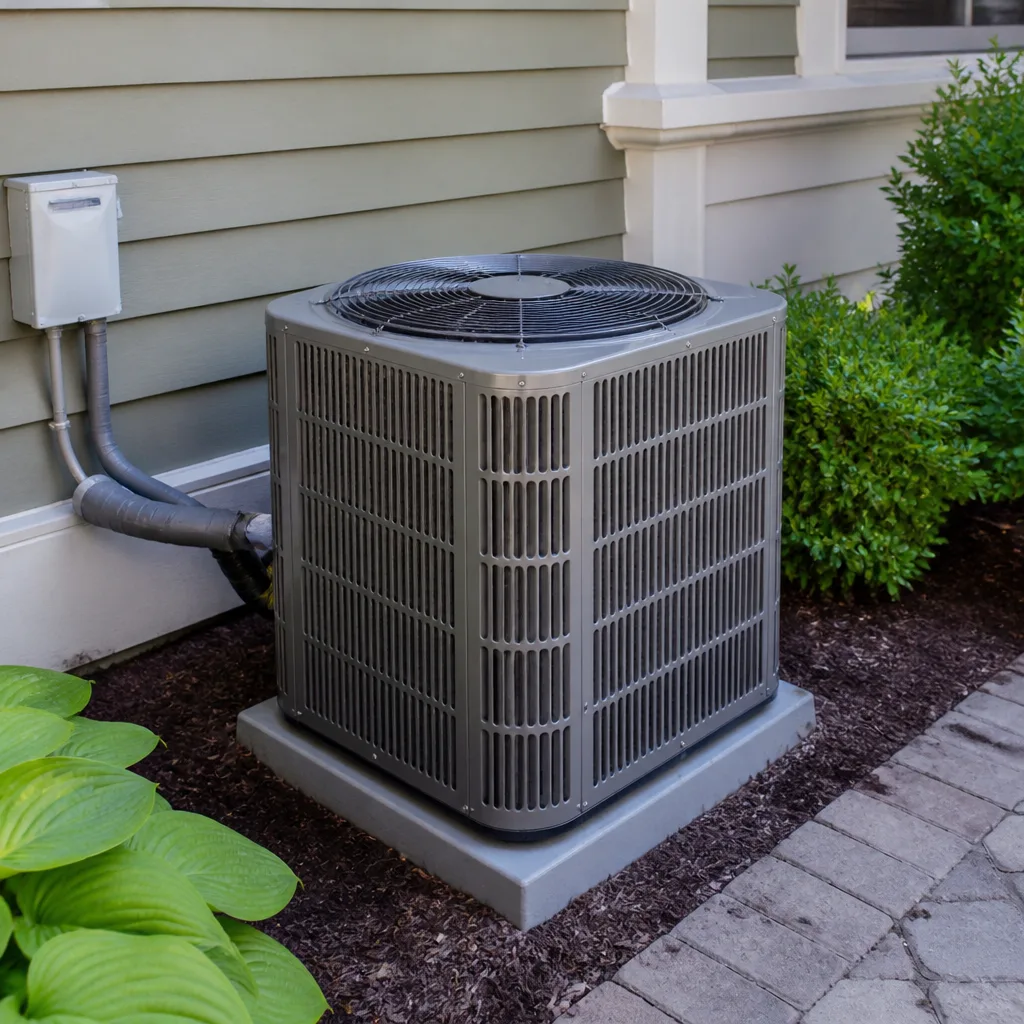 AC repair
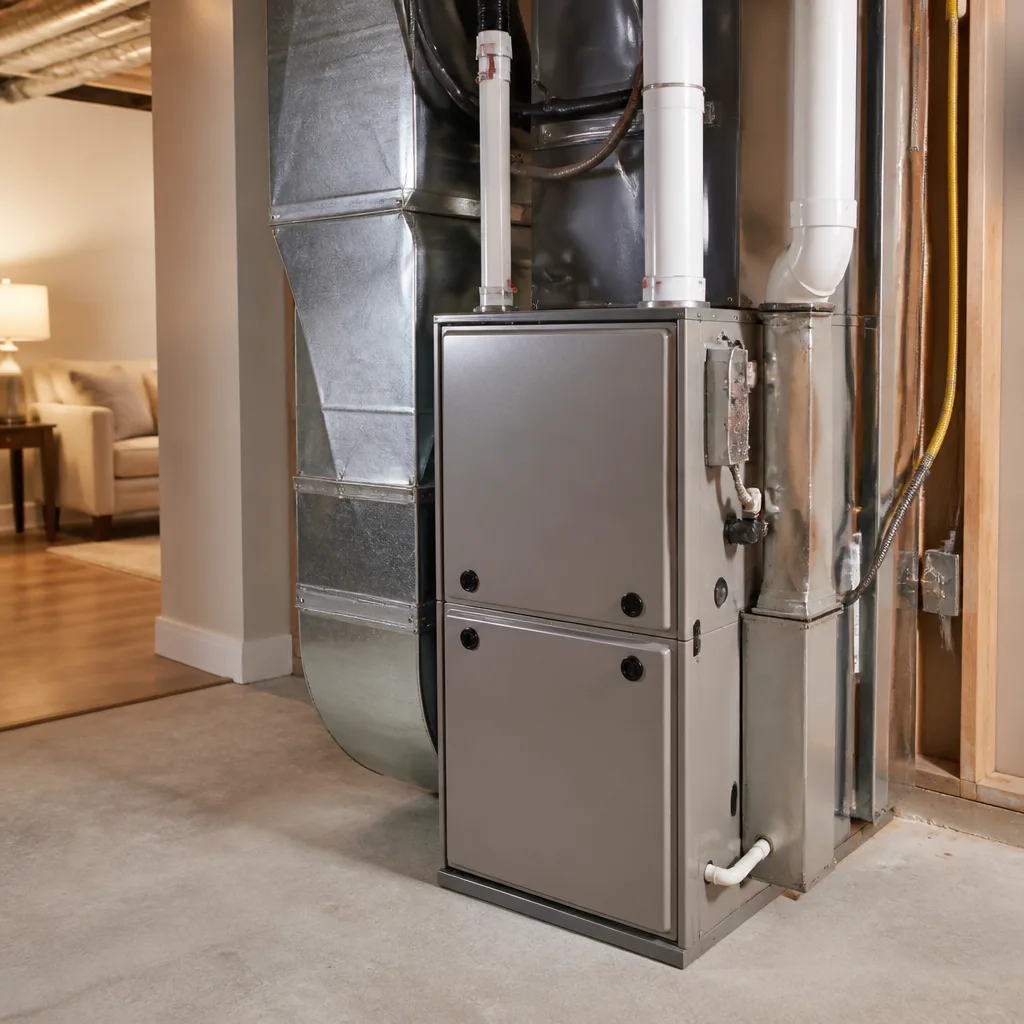 Furnace & heating
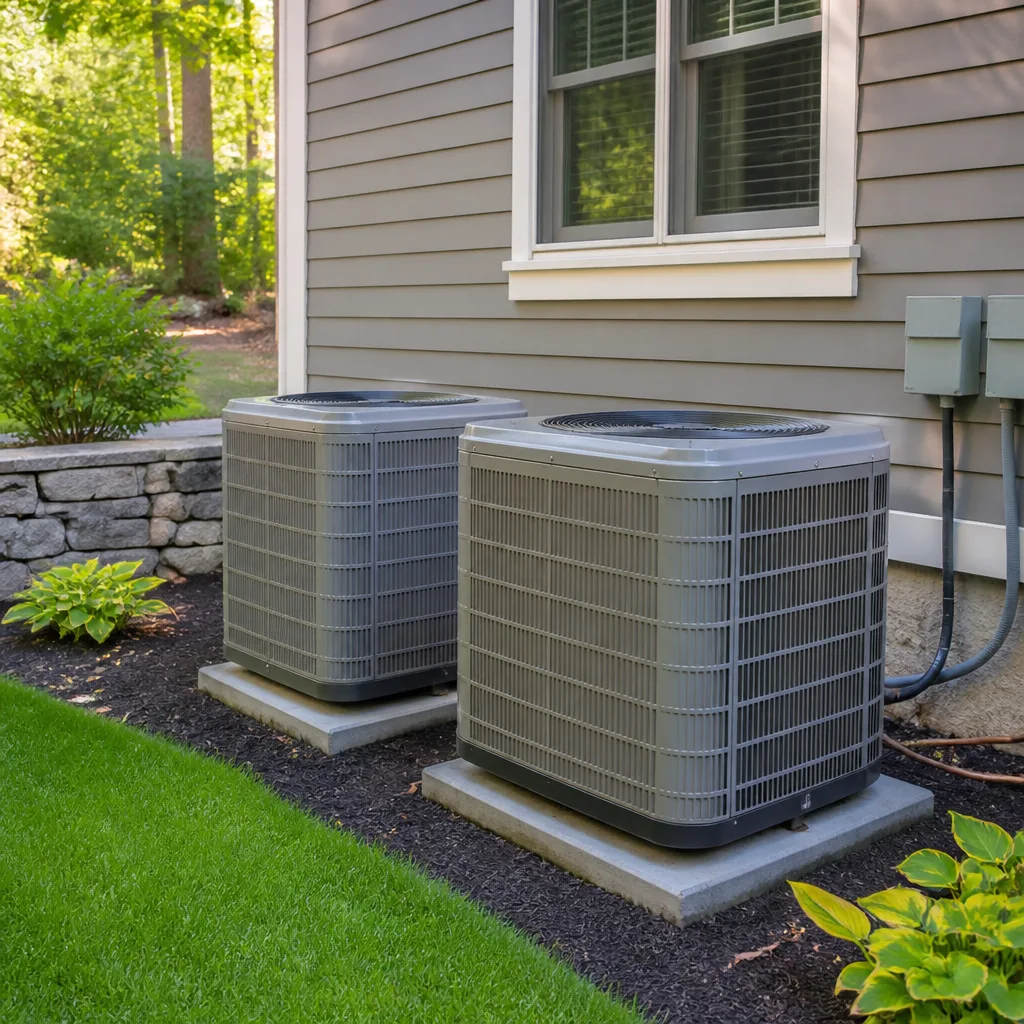 Heat pumps
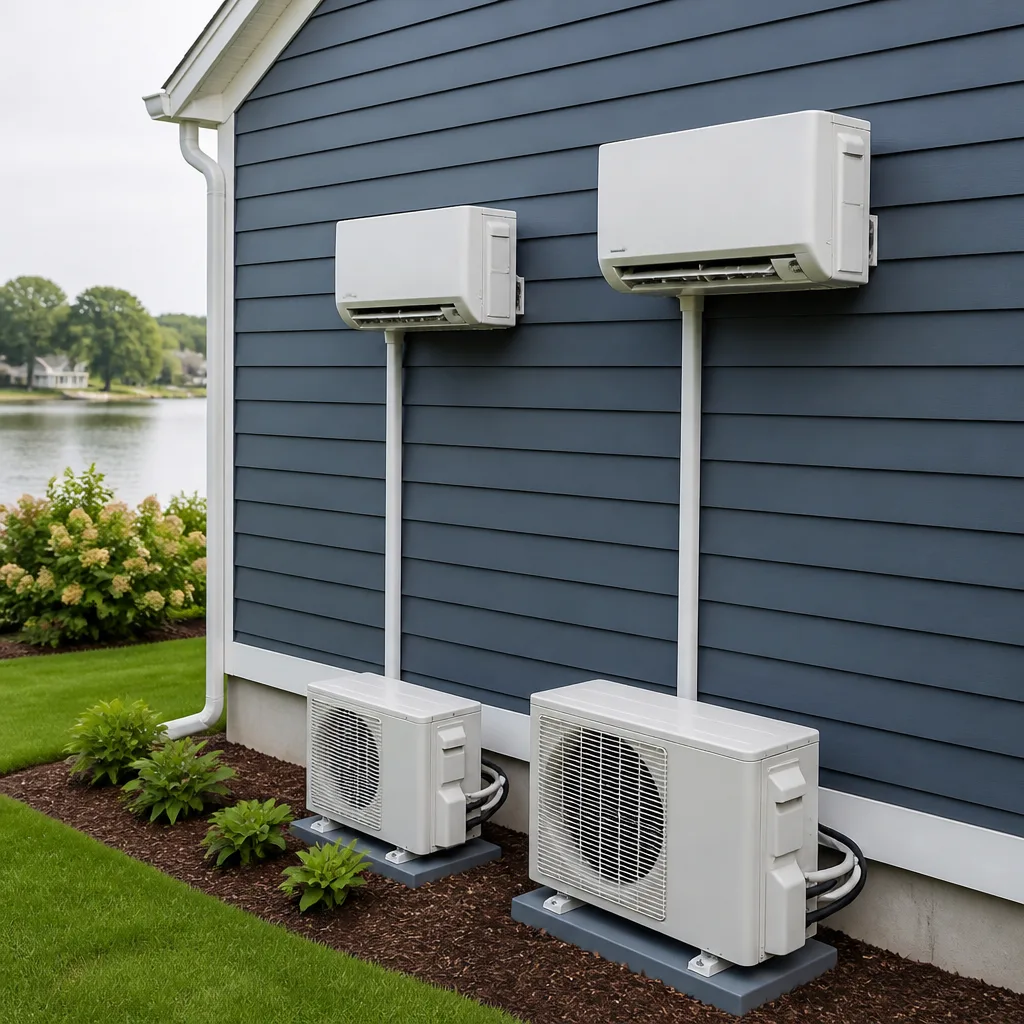 Ductless mini splits
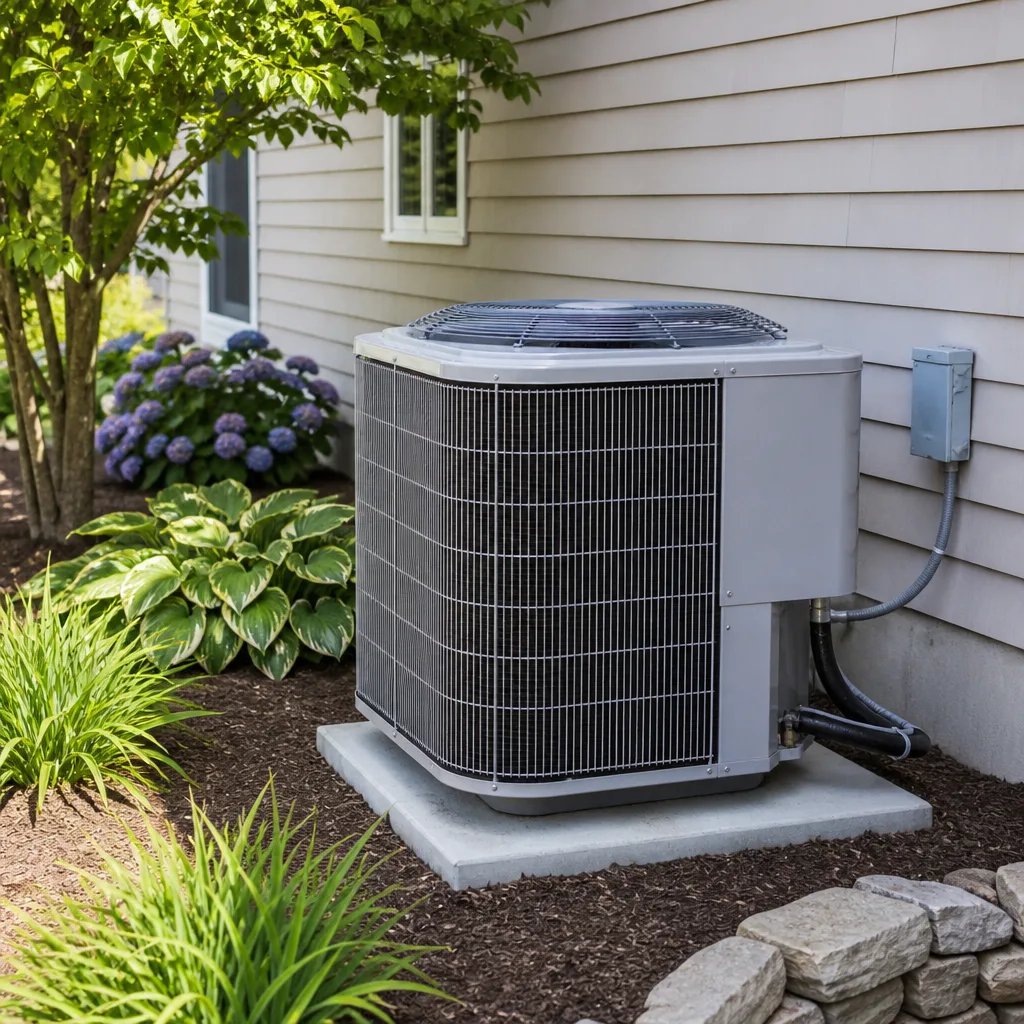 Carrier
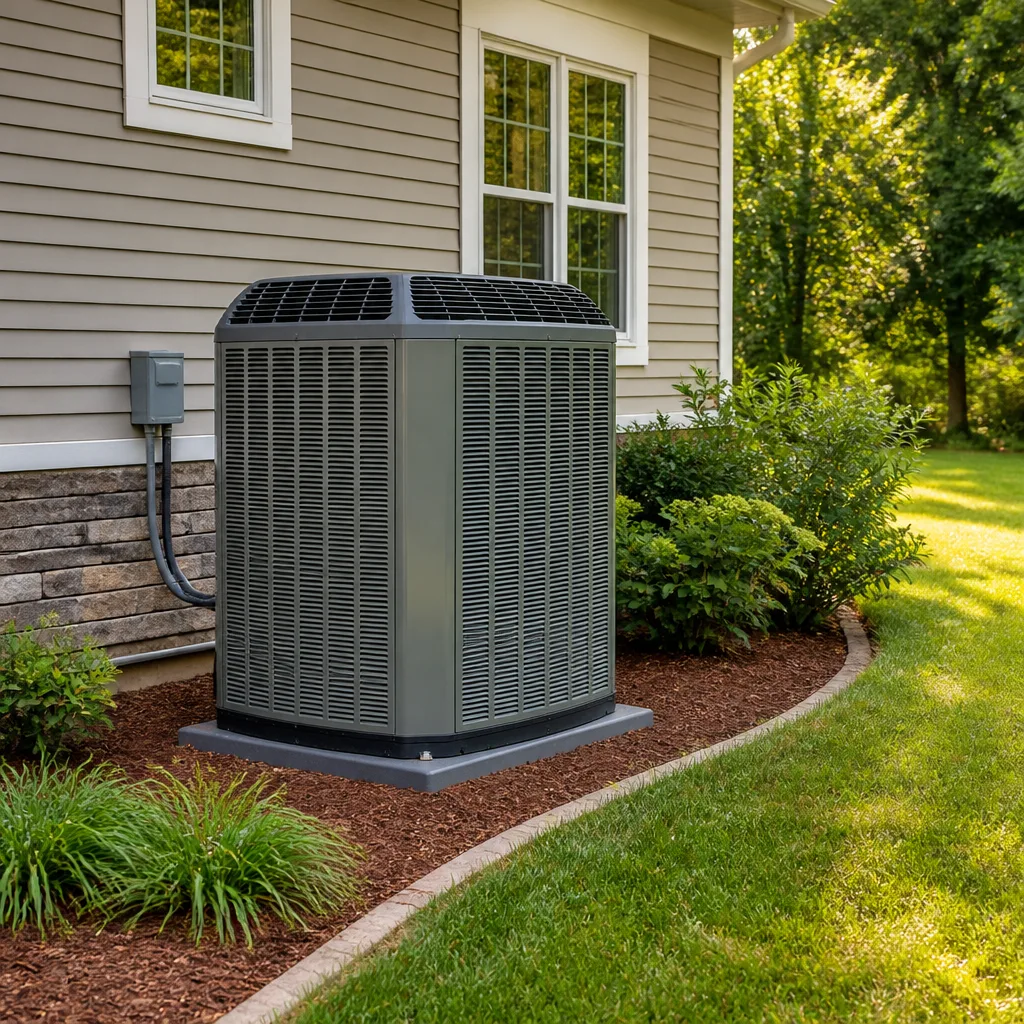 Trane
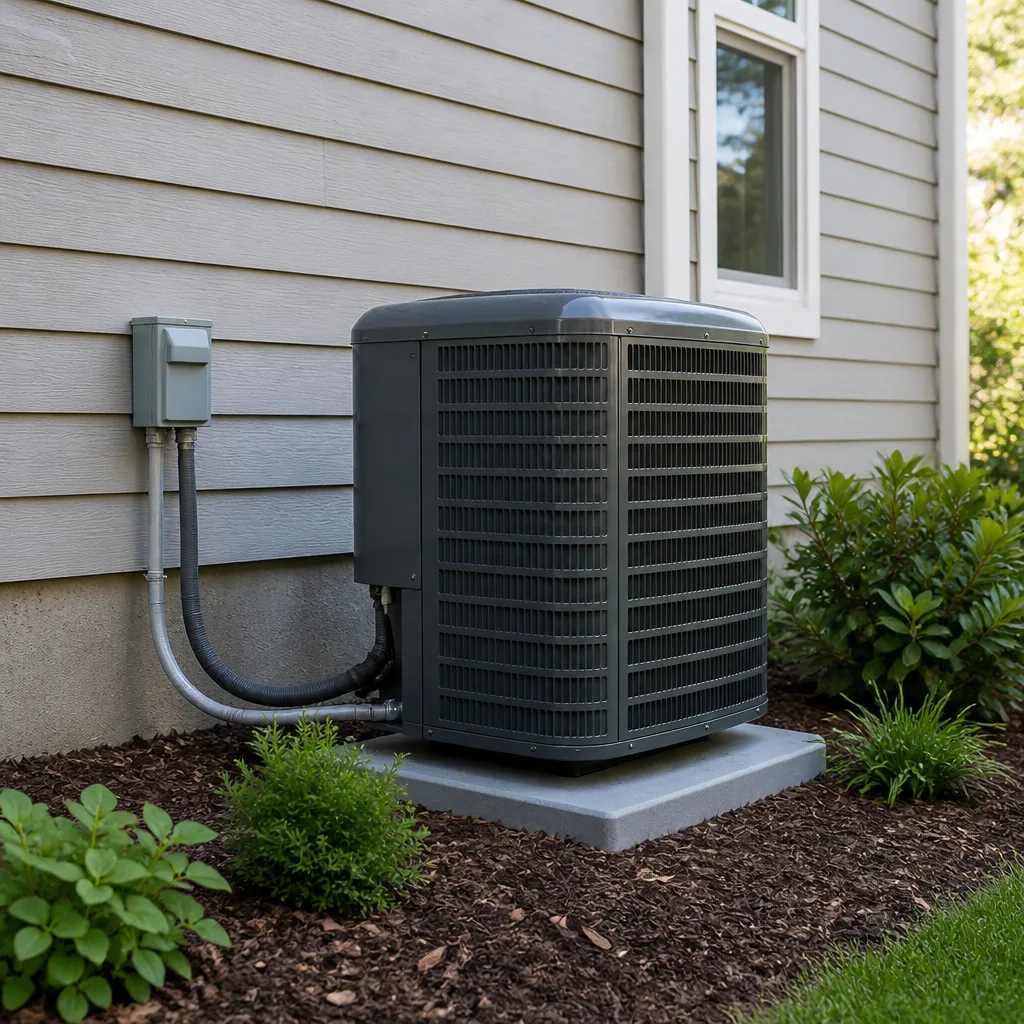 Goodman
Seasonal tune-up and full diagnostic on your Carrier, Trane, or Goodman system - readings shown to you before any repair is proposed
Diagnosis first, numbers second - you approve the repair price before a single part goes in.
Get your free estimateHVAC Cost Breakdown: The San Mateo Homeowner’s Reference for 2026
The national average cost for a central AC installation tells you almost nothing about what you’ll pay in San Mateo. Permit fees here can run past $400 on their own. Labor in this part of the Bay Area runs well above the California average. And the disposal fee for recovering old refrigerant often doesn’t show up in a quote until you ask about it. That gap between the calculator you found online and the quote on your kitchen table is where most homeowners get stuck. This guide breaks a San Mateo HVAC bill into its line items, gives 2026 cost ranges for each, and shows you how to tell a legitimate quote from an inflated one.
Quick Answer
A full central AC replacement in San Mateo typically runs $8,500 to $18,000 in 2026, and a furnace replacement typically runs $5,500 to $12,000, depending on system size, efficiency, and whether electrical or ductwork changes are needed. Heat pump conversions generally land $2,000 to $5,000 above a comparable standard split system before any utility rebate is applied. Written estimates set the final price, and the ranges in this guide are typical figures, not fixed quotes.
Styles & brands we work with
- AC repair
- Furnace & heating
- Heat pumps
- Ductless mini splits
- Carrier
- Trane
- Goodman
Table of Contents
- What a San Mateo HVAC Quote Is Actually Made Of
- 2026 Cost Ranges by Job Type
- Why San Mateo Quotes Run $1,500 to $3,000 Above Online Calculators
- Standard Split System vs. Heat Pump Conversion
- How to Read a Quote Line by Line
- Does Higher Efficiency Pencil Out Here?
- Permits, Code, and What San Mateo Requires
- What Drives Legitimate Cost vs. Inflated Cost
What a San Mateo HVAC Quote Is Actually Made Of
Every HVAC quote, no matter how it’s formatted, breaks down into five cost categories. When you can see each one separately, you can compare bids fairly and spot what’s missing. Here’s what belongs in each.
- Equipment: The outdoor condenser, indoor air handler or coil, and any line-set or thermostat. This is the largest single line, usually 45 to 60 percent of the total.
- Labor: Removal of the old system, installation, brazing, vacuum and charge, and startup testing. Bay Area labor rates for licensed HVAC work sit meaningfully above the state average, and that shows up here.
- Permit: A mechanical permit from the city for a changeout. This isn’t optional for a system replacement, and a quote that omits it is a quote that will cost more later.
- Disposal and refrigerant recovery: Hauling the old equipment, plus recovering refrigerant to current EPA rules rather than venting it. This line is small on paper and frequently the first thing a low bid cuts.
- Electrical and miscellaneous: Any needed disconnect, breaker, whip, drain line, pad, or minor duct transition. Sometimes it’s a few hundred dollars. Sometimes it’s the reason a quote jumps.
When you’re looking at a replacement, ask for these five lines separately. A contractor who can itemize them is a contractor who knows what the job involves. A contractor who quotes one lump figure and won’t break it down is asking you to trust a number you can’t check.
2026 Cost Ranges by Job Type
These are typical ranges for residential work in San Mateo in 2026. They reflect standard-efficiency to mid-efficiency equipment and a straightforward changeout. Higher-efficiency equipment, electrical upgrades, or ductwork changes push the number up. The written estimate always sets the final price.
- Central AC replacement (standard split system): $8,500 to $18,000 installed
- Central AC replacement (high-efficiency, two-stage or variable): $12,000 to $22,000 installed
- Furnace replacement (standard): $5,500 to $12,000 installed
- Furnace replacement (high-efficiency, modulating): $9,000 to $16,000 installed
- Heat pump conversion (full system): $12,000 to $24,000 installed, before rebates
- AC repair, common failures: $180 to $650 per visit depending on the part
- Furnace repair, common failures: $175 to $600 per visit depending on the part
- Electrical upgrade for a new system: $400 to $1,800, when required
Those repair ranges are for the parts that fail most often: capacitors, contactors, blower motors, igniters, flame sensors, and inducer motors. A failed compressor or a cracked heat exchanger moves the job into a different conversation entirely, and at that point a repair-versus-replace decision makes more sense than a repair estimate.
What About Repair Instead of Replacement?
If your system is under about ten years old and the failed part is a component rather than the compressor or heat exchanger, repair almost always wins on cost. Our page on AC Repair San Mateo walks through the diagnostic side. Once a system is past a decade, though, the arithmetic shifts, because you’re paying for repairs on equipment that’s closer to the end of its life.
Why San Mateo Quotes Run $1,500 to $3,000 Above Online Calculators
National cost calculators pull a median across the whole country. San Mateo isn’t the median, and the gap isn’t mysterious once you separate it into the drivers below.
Some of that gap is legitimate and unavoidable. Some of it is a contractor padding a bid. Knowing which is which is the whole skill.
- Labor market. Licensed HVAC technicians in the Bay Area earn more than the California average, and that cost flows straight into every hour of installation. A calculator built on national wage data will always come in low here.
- Permit costs. A mechanical permit for a system changeout in San Mateo is a real fee, and it can exceed $400 depending on the scope. A calculator that ignores permits isn’t quoting your job.
- Equipment availability. Supply for specific models and tonnages shifts, and a system that has to be sourced rather than pulled from local stock costs more. This is why two bids for the “same” system can differ by hundreds of dollars.
- Housing stock. San Mateo’s mix of older single-family homes and postwar neighborhoods often means a changeout includes duct transitions, a new pad, or a line-set replacement that a cookie-cutter estimate never accounts for.
- Access and hauling. Tight side yards, roof-mounted equipment, and long runs to the panel all add labor hours. None of that shows up in a national average.
The legitimate drivers are the first four. If a bid is high and the contractor can point to a specific reason on that list, the number is probably honest. If a bid is high and the explanation is “that’s just what it costs here,” press for the breakdown.
Standard Split System vs. Heat Pump Conversion
A straight air conditioner replacement pairs a new condenser with your existing furnace or air handler. A heat pump conversion replaces the AC with a unit that both heats and cools, so the furnace either becomes a backup or comes out entirely. The cost difference is real, and so is the rebate side of the equation.
In a typical San Mateo home, a heat pump conversion runs $2,000 to $5,000 more than a comparable standard split system before any utility incentive. That premium comes from a few places: the heat pump itself costs more than an AC-only condenser, the install usually requires an electrical assessment because heat pumps draw more during heating, and sometimes a cold-climate-rated unit is the right call even in a mild climate.
What offsets it: AC installation and heating in one unit means one system instead of two, and PG&E offers heat pump incentives that can meaningfully reduce the net cost. The rebate amount depends on the equipment’s efficiency rating and the program rules at the time you install, so it’s worth confirming what’s currently available before you commit to a model. We handle the rebate paperwork as part of the job, which is one fewer thing to chase down on your own.
Our own view, after running both kinds of jobs in San Mateo, is that heat pump conversions make the most sense when your furnace is already near the end of its life. If the furnace has years left, an AC-only replacement is usually the better spend. When both systems are aging out at once, converting is where the math starts to favor you.
Should I Convert If My Furnace Is Still Working?
Usually not yet. Replacing a working furnace to add a heat pump means paying twice for heating capacity you already own. The economics improve sharply when the furnace fails or approaches replacement age, and that’s the moment to evaluate the conversion rather than after.
How to Read a Quote Line by Line
A low bid is not automatically a good bid. In our experience, the cheapest quote on a San Mateo HVAC job is often the one that left something out, and the homeowner finds out during installation or at the permit stage. Run every bid through this checklist.
- Is the permit listed as a separate line? If it’s bundled into “labor” with no dollar figure, ask what the permit costs and who pulls it. A contractor who skips permits is a contractor whose work may not pass inspection later.
- Is refrigerant recovery itemized? Current EPA rules require recovering refrigerant, not venting it. If recovery isn’t mentioned at all, that’s a sign the quote was built to look low.
- What brand and model number is specified? A quote that says “3-ton condenser” without a model number gives you nothing to compare. We work across Carrier, Trane, Lennox, American Standard, and five other major brands, so the model is always named on the estimate.
- Are electrical requirements assessed? Heat pumps and high-efficiency equipment sometimes need a breaker or disconnect change. If the quote doesn’t address it, it may appear as a change order mid-install.
- Is the existing line-set and coil addressed? Reusing an old line-set can be fine, but the quote should say whether it’s being reused, flushed, or replaced.
- Is there a written scope, not just a price? What’s being removed, what’s being installed, and what’s included in startup testing should all be on paper.
A quote that passes all six is one you can compare. A quote that fails two or three is one you shouldn’t weigh against a complete bid, because the missing pieces are costs you’ll absorb later.
Does Higher Efficiency Pencil Out Here?
This is where San Mateo’s climate changes the usual advice. In a place with hot summers and cold winters, a high-efficiency system pays back faster because it runs more hours a year. San Mateo’s mild climate means both your cooling season and your heating season are gentler than the national average, so a premium-efficiency system runs fewer hours and the savings accumulate more slowly.
That doesn’t mean efficiency is a bad buy. It means you should be honest about the payback period rather than accepting a “you’ll save 30 percent” pitch at face value. Here’s how to think through it:
- If your system gets moderate use, a mid-efficiency unit is usually the better value. The jump from a base model to mid-tier often costs $1,500 to $3,000, and the energy savings over the system’s life can justify it.
- The jump from mid-tier to premium (variable-speed, top-efficiency) is where payback gets long. That upgrade buys comfort and quiet as much as it buys savings, and it’s worth paying for if comfort is the actual goal.
- Utility rates matter. Higher electricity rates shorten every efficiency payback period. San Mateo’s rates are not low, which helps the efficiency case, but the mild climate pulls the other way. The two effects partly cancel.
- Rebates can tip it. A heat pump incentive through PG&E can shorten the payback on a high-efficiency heat pump enough to change the decision. Confirm current program rules before you buy.
The honest answer for most San Mateo homeowners: buy mid-tier and put the savings toward a better install. Installation quality affects performance and lifespan more than the efficiency rating on the box does.
Permits, Code, and What San Mateo Requires
A system replacement in San Mateo requires a mechanical permit, and skipping it is a mistake for reasons beyond the fine. Permitted work gets inspected, and an inspection record follows the house. When you sell, an unpermitted HVAC changeout can become a disclosure issue.
Ask your contractor two questions before signing: who pulls the permit, and is the fee on the quote. The contractor should pull it, not you, and the fee should be visible. Most cities require a permit for this kind of work, and San Mateo is no exception, so a quote that quietly omits it is either going to add it later or skip it entirely.
Beyond permits, current refrigerant rules matter. New equipment uses refrigerants governed by EPA phase-down rules, and the recovery of old refrigerant during removal is regulated. This is why the recovery line belongs on your quote. It’s a small cost that reflects doing the job correctly.
We work in San Mateo regularly and know what the local inspection process looks like. If you want a straight answer on what your specific job needs, San Mateo homeowners can call us and we’ll walk through it.
What Drives Legitimate Cost vs. Inflated Cost
Not every high quote is a rip-off, and not every low quote is a bargain. The difference usually comes down to whether the number reflects the actual work. Here’s the split we see.
Legitimate cost drivers: Bay Area labor rates, permit fees, refrigerant recovery, electrical upgrades the system genuinely requires, duct transitions the house genuinely needs, and equipment sourced at current market pricing. If a quote is higher than a calculator and the contractor can point to one of these, the number is probably fair.
Inflated cost drivers: A single-brand dealership pushing the only system they’re contracted to sell, “comfort packages” bundled in without explanation, warranty add-ons priced above what the manufacturer offers, and a lump-sum bid that won’t itemize. A brand-agnostic contractor recommends equipment based on your home and budget, not on a quota. That’s a structural reason to work with a specialist who services Carrier, Trane, Lennox, Goodman, Rheem, York, Daikin, Bryant, and American Standard rather than a single line.
One more thing worth saying plainly: a technician who isn’t paid on what they sell has no reason to steer you toward a replacement you don’t need. That’s the model we work under, and it’s why we put the assessment before the recommendation.
Common Mistakes to Avoid
- Comparing a complete bid against an incomplete one. If one quote includes the permit and recovery and the other doesn’t, they aren’t the same job at two prices. Compare like to like or the comparison is meaningless.
- Assuming the lowest bid saves money. The cheapest quote often becomes the most expensive once change orders for permits, electrical, or line-sets come in mid-install. Ask what’s excluded before you sign.
- Skipping the permit to save the fee. An unpermitted changeout in San Mateo can surface at resale and cost more to resolve than the permit would have. The fee is small next to that risk.
- Buying on efficiency rating alone. A premium-efficiency system installed poorly performs worse than a mid-efficiency system installed well. Ask about installation practice, not just the box.
- Not asking who pulls the permit. The contractor should pull it. If the answer is “you can pull it,” that’s a signal about how the rest of the job will go.
- Replacing one system while ignoring the other. A new AC paired with a failing furnace means two contractors and mismatched equipment. Coordinating both under one specialist avoids that.
- Missing the heat pump rebate window. PG&E incentive programs change. If you’re converting, confirm the current rules before you buy or you may leave money on the table.
See the difference
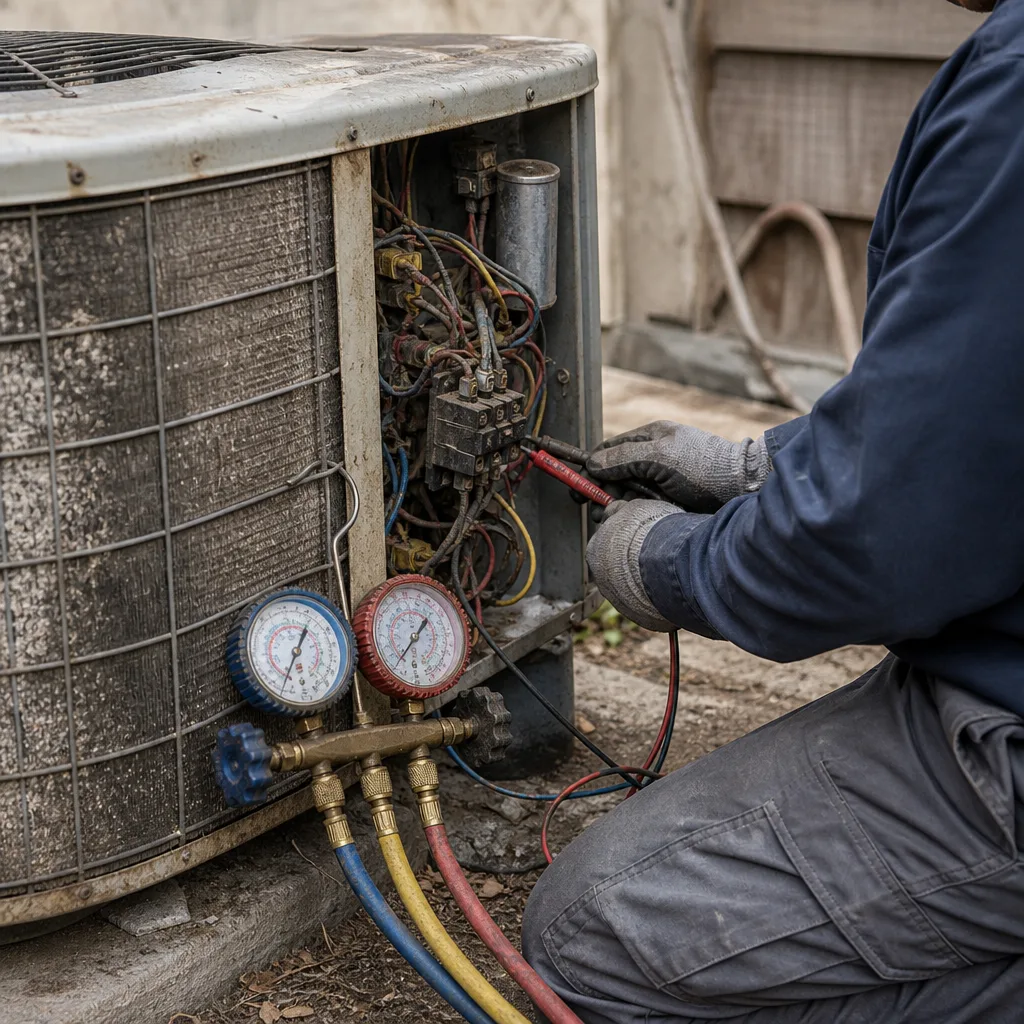 Before
 After
 Before
 After
 Before
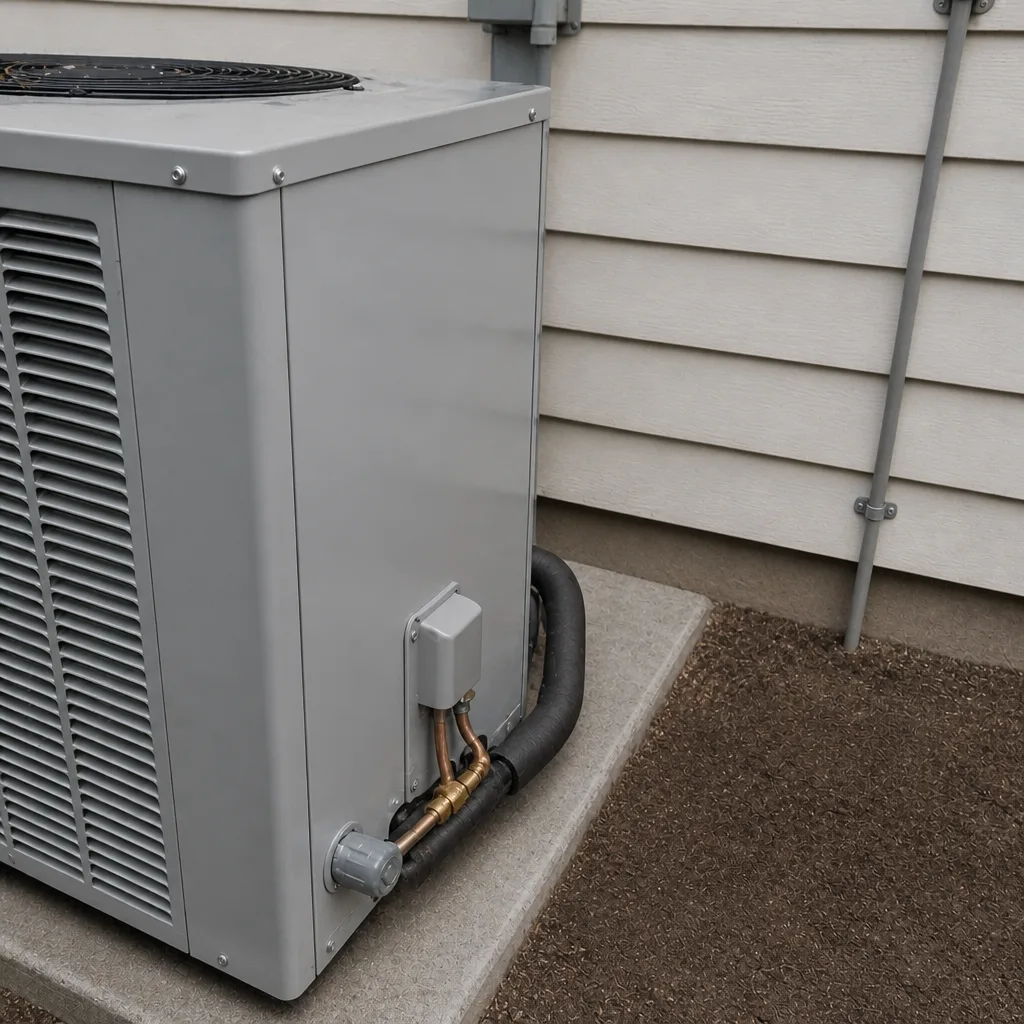 After
When to Call a Professional
Some HVAC issues are worth a look before you call anyone: a tripped breaker, a clogged filter, a thermostat set to the wrong mode. Beyond those, it’s time to bring in a specialist. Call when your AC isn’t cooling on a hot afternoon, when your furnace won’t light or blows cold air, when you hear grinding or rattling from the outdoor unit, when a breaker trips repeatedly, or when you smell gas near the furnace. Gas lines and electrical panels are genuinely dangerous, and neither is something to troubleshoot yourself. If your system is past ten years and facing a major repair, call before you authorize the repair, because that’s the moment to weigh replacement. AC Repair San Mateo offers free estimates in San Mateo, and our page on furnace repair covers the heating side. Call (866) 260-3183. We answer 24/7. Fast dispatch from 7am to 7pm, Sunday through Friday.
Frequently Asked Questions
A standard central AC replacement in San Mateo typically runs $8,500 to $18,000 installed in 2026, with high-efficiency systems typically running $12,000 to $22,000. The range reflects system size, efficiency tier, and whether electrical or ductwork changes are needed. Call (866) 260-3183 for a free estimate on your specific home.
Because the calculator is built on national averages that don’t include Bay Area labor rates, San Mateo permit fees, or refrigerant recovery. The gap of $1,500 to $3,000 is normal and mostly legitimate. Ask your contractor to itemize the quote line by line so you can see exactly what’s driving the number. Call (866) 260-3183 and we’ll walk through a free estimate with you.
Yes, especially when your furnace is already near the end of its life, because a heat pump replaces both heating and cooling in one unit and PG&E incentives can offset part of the cost. The conversion typically adds $2,000 to $5,000 over a standard split system before rebates. Call (866) 260-3183 to find out whether your home is a good candidate.
Yes. A system replacement requires a mechanical permit, and the fee can exceed $400 depending on scope. The contractor should pull it and the fee should appear on your quote, since an unpermitted changeout can become a problem at resale. Call (866) 260-3183 if you’d like a free estimate that includes the permit line.
Repair is usually the better call for systems under about ten years old with a failed component. Replacement makes more sense past a decade or when the failure is a compressor or heat exchanger. The honest answer depends on the system in front of you, which is why we assess before recommending. Call (866) 260-3183 for a free estimate.
Almost certainly. We’re certified to install and service Carrier, Trane, Lennox, Goodman, Rheem, York, Daikin, Bryant, and American Standard, and we work on the brand you already have, not just the ones we sell. That means the recommendation is based on your home and budget. Call (866) 260-3183 for a free estimate.
The Bottom Line
San Mateo HVAC pricing sits above national averages for real reasons: labor market, permit costs, equipment availability, and housing stock. A quote $1,500 to $3,000 above an online calculator isn’t automatically inflated, but you need to see the line items to know. Ask for equipment, labor, permit, recovery and disposal, and electrical listed separately. Confirm who pulls the permit. Ask what brand and model you’re getting. When you’re ready for a straight assessment of your system, AC Repair San Mateo offers free estimates in San Mateo. Call (866) 260-3183. We answer 24/7. Fast dispatch from 7am to 7pm, Sunday through Friday. Heating and cooling is all we do, so we do it right.
Written by the team at AC Repair San Mateo.